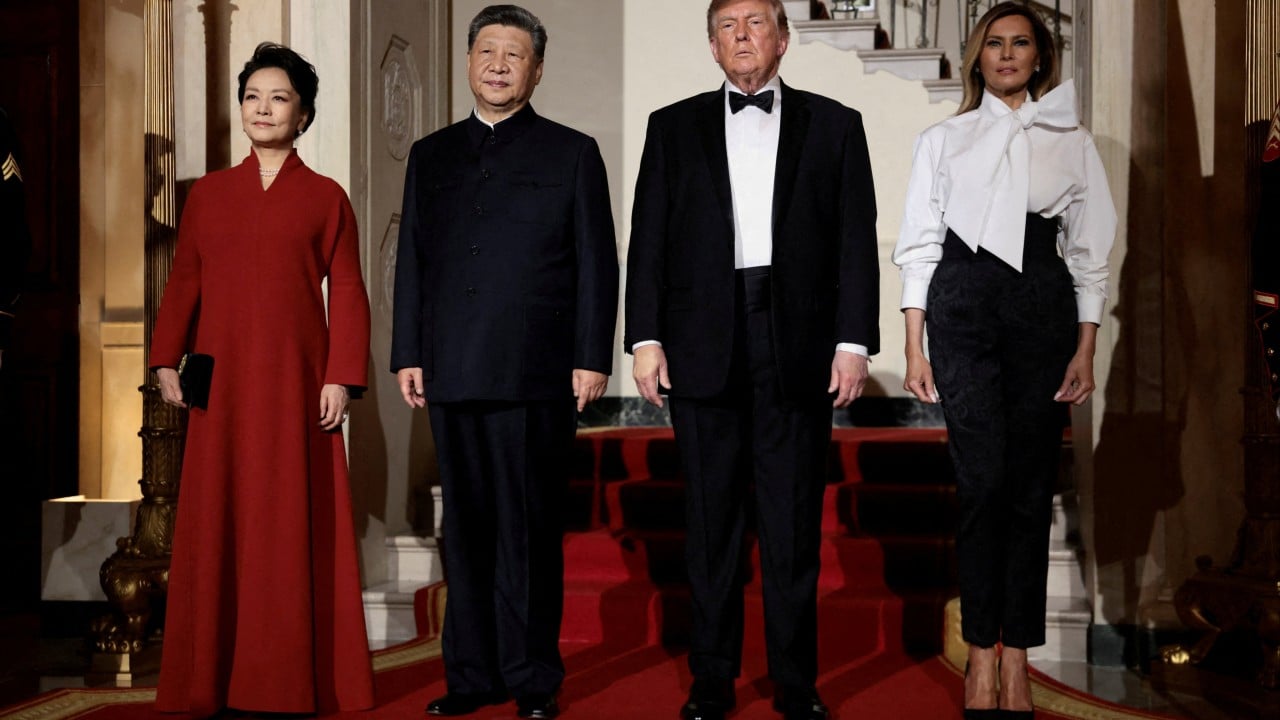
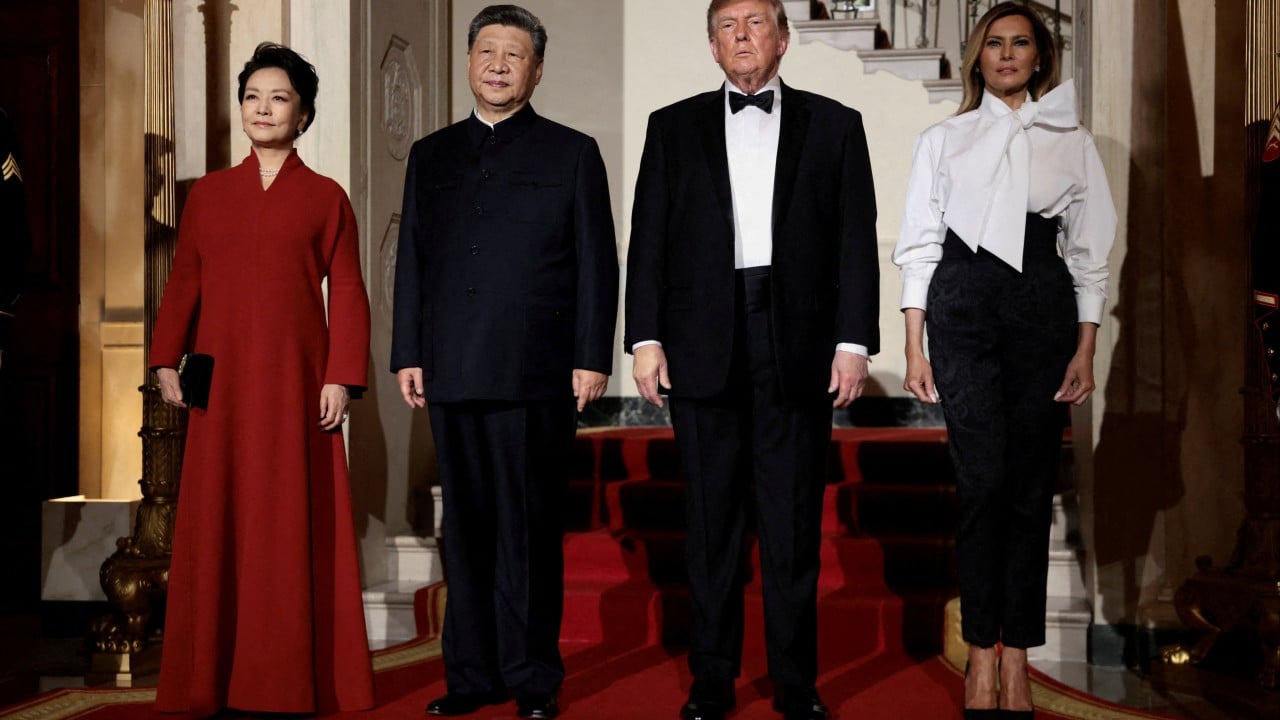
From Taiwan to Takaichi, the geopolitical fallout from Xi-Trump summit
We have put together stories from our coverage of the Xi-Trump summit. If you would like to see more of our reporting, please consider subscribing. 1. Why Xi Jinping skipped the UN after his Trump summit Han Zheng, China’s vice-president, called on “major countries” to respect the sovereignty and security of Middle Eastern nations and bring about a two-state solution for the “Palestinian…
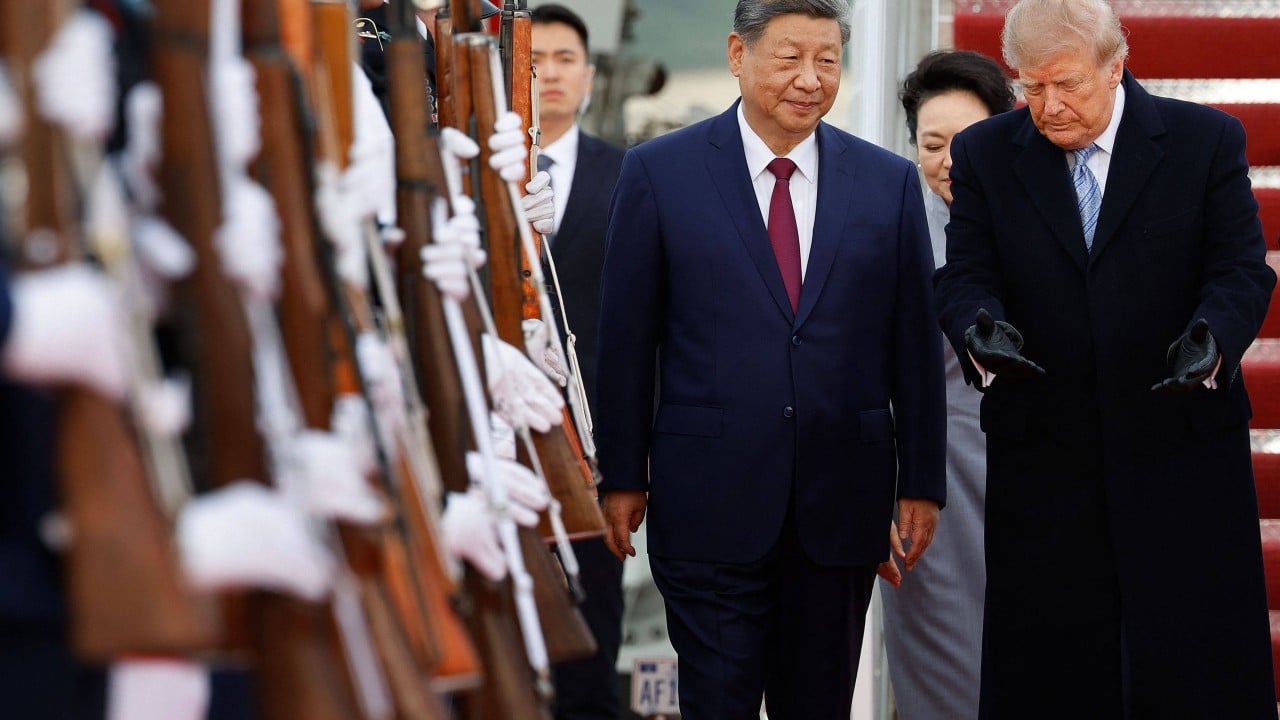
Chinese President Xi Jinping concluded his three-day state visit to Washington, leaving behind a range of outcomes for analysis by US Congress and the US-China policy community. Ahead of the summit, both leaders announced several joint agreements, such as extending the US-China trade truce, making investment commitments, maintaining AI dialogue, and increasing high-level engagement.
Measures also included visa arrangements for Americans, fentanyl precursor control, and giant panda exchanges. However, some American China watchers said the outcomes were more about managing tensions than breaking through deep-rooted differences between the two nations.
Mike Kuiken, vice-chair of the US-China Economic and Security Review Commission, described the summit as primarily focused on preserving the status quo. He argued that breakthroughs, if they occur, are likely to be incremental and achieved through persistent diplomatic discussions and negotiations. The two sides agreed to reduce tariffs on non-sensitive goods by roughly US$30 billion each way, establish an agricultural trade working group, and address certain farm and related purchases.
On politically sensitive issues, Xi requested Trump to explicitly oppose Taiwan independence, while US Ambassador to China David Perdue stated that Washington's stance on Taiwan remained unchanged: "We don't support independence, and we don't support coercion."
Democratic ranking member of the House Foreign Affairs Subcommittee on East Asia and the Pacific, Ami Bera, urged Trump to maintain US commitments to Taiwan and adhere to the "one China" policy. He emphasized the need to avoid confrontation with China. President Trump's warm reception of Xi drew criticism from some members of Congress.
Republican Senator Thom Tillis called the state visit a "WTF moment," questioning why Trump spent more time with Xi than with democratic allies. Tillis also criticized the administration's delay in approving a $14 billion arms package for Taiwan. Republican Representative John Moolenaar provided a more optimistic view of the negotiations, asserting that Xi left without securing major concessions but hoped the summit would lead to strategic stability and mutual economic benefits.
Both leaders are scheduled to meet twice more before the year's end - at the Asia-Pacific Economic Cooperation summit in Shenzhen in November and the Group of 20 summit in Miami in December. According to Kuiken, however, these additional meetings do not necessarily mean that the fundamental differences between the two countries are diminishing.
Written by urgent.news from Reuters Business via SCMP's reporting — not their text. Machine-written — may contain errors; check the original before relying on it.
This story
This is one outlet's version. Read the fullest account.