US-China conflict doesn’t have to become a self-fulfilling prophecy
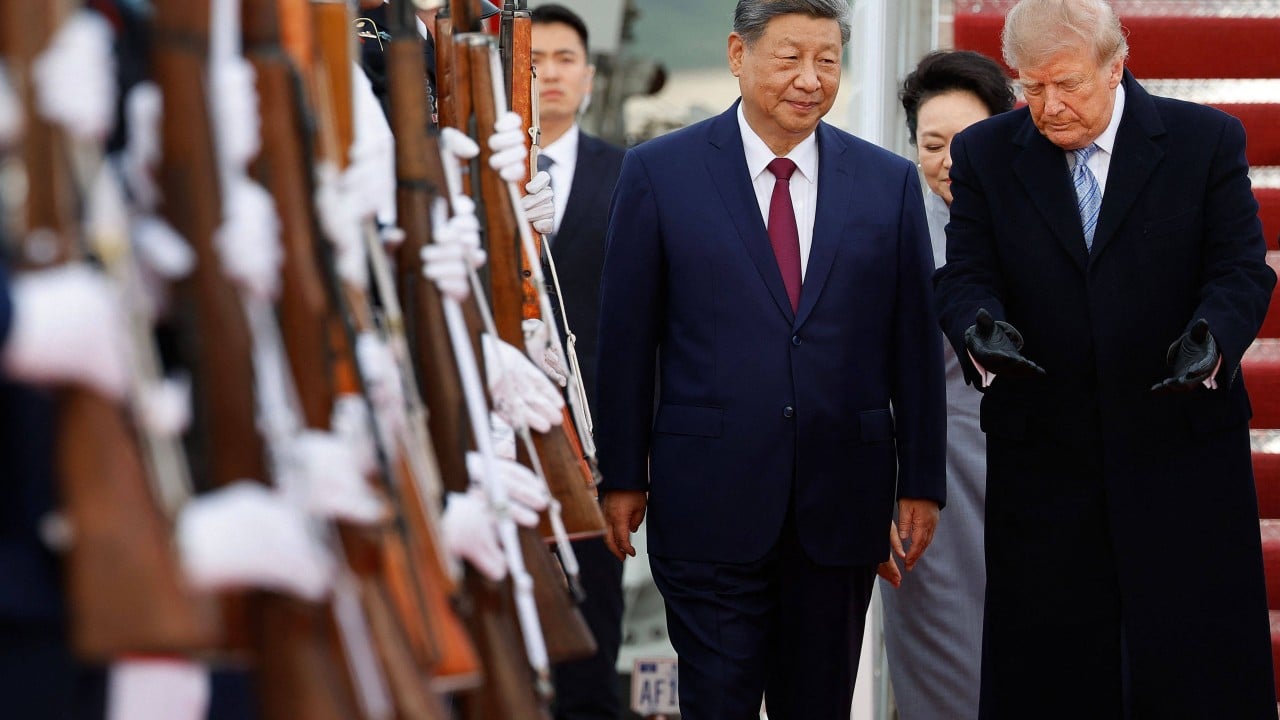
We are reminded seemingly daily of the great power transitions that ended in conflict. However, it is the exceptions – the ones that did not result in war – that could have real lessons to offer. Today, the question is more than academic. Standing beside US President Donald Trump at the White House last week, President Xi Jinping proposed that competition between China and the United States…
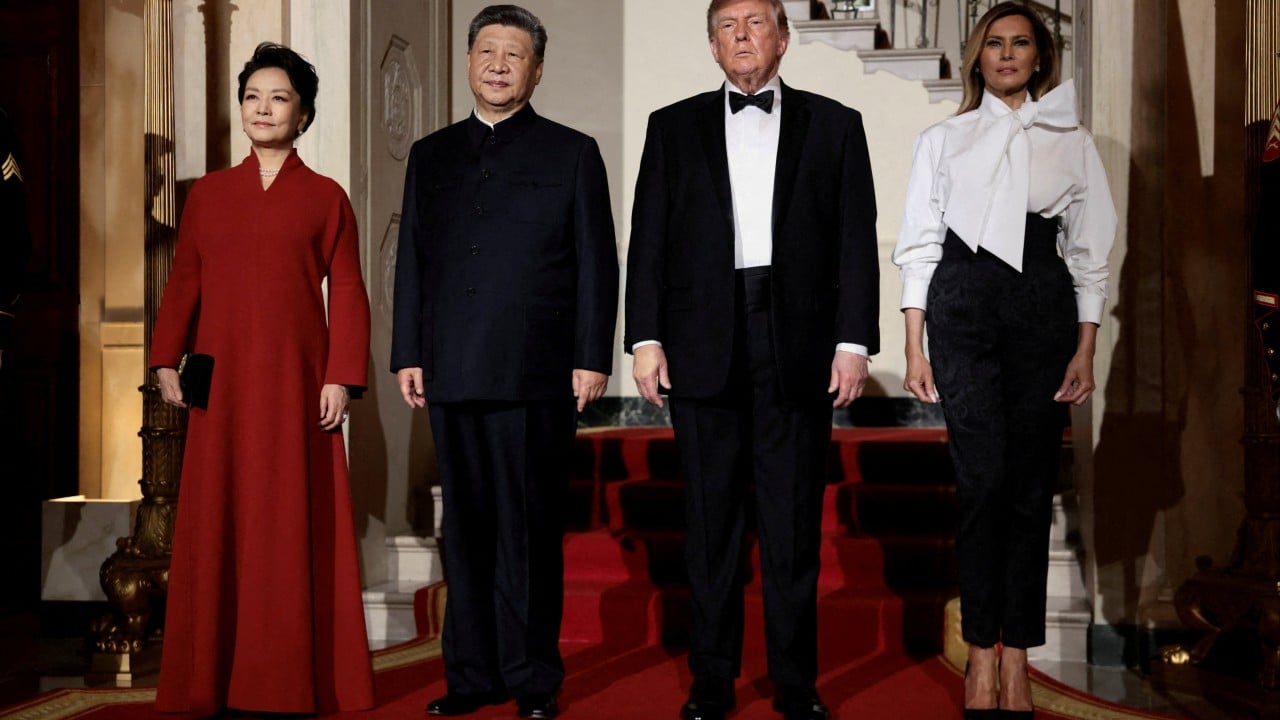
Recent conflicts between the world's two leading powers, the United States and China, have raised concerns about a self-fulfilling prophecy of war. However, history shows that great power transitions do not always result in conflict. Looking at exceptions, we can learn valuable lessons. Today, this question is more urgent than ever, as the two nations face trade disputes, technological advancements, and political red lines.
The concept of "Thucydides Trap" predicts that rising powers will inevitably challenge established ones, leading to war. Yet, this metaphor should not be accepted as a fatalistic prophecy. Throughout history, there are examples of peacefully managed power shifts. During the late 19th century, Britain and the United States were competing for dominance in the western hemisphere, yet Britain chose accommodation over confrontation, preserving its interests by adjusting spheres of influence.
In the aftermath of World War II, France and Germany managed their competition through institutionalization, resulting in the European Union. Argentina and Brazil resolved their disputes through transparency and cooperation, leading to bilateral safeguards. These instances demonstrate that power shifts can be accommodated without conflict.
Washington and Beijing need to turn the questions of rivalry on their heads. They should ask what changes in influence are acceptable without sacrificing vital interests. They must also consider forms of restraint or reassurance that could make acceptance of each other's rise politically and strategically viable. The world is now more interconnected than ever, with the US and China tied into the same global economy.
While conflict remains a possibility, history shows that sensible solutions can prevail. While not guaranteed, the vast number of bilateral and multilateral relationships raises the cost of allowing a spiraling US-China rivalry. This challenges the fatalism inherent in the Thucydides Trap. History shows that states have found ways to accommodate changing realities, institutionalize competition, or build trust and confidence.
The path forward for Washington and Beijing requires political will and a commitment to managing their rivalry, not allowing it to become a casus belli.
Written by urgent.news from Reuters Business via SCMP's reporting — not their text. Machine-written — may contain errors; check the original before relying on it.
This story
This is one outlet's version. Read the fullest account.