Experts Explain | What the UN sea level declaration means for the world — and India’s eroding coast
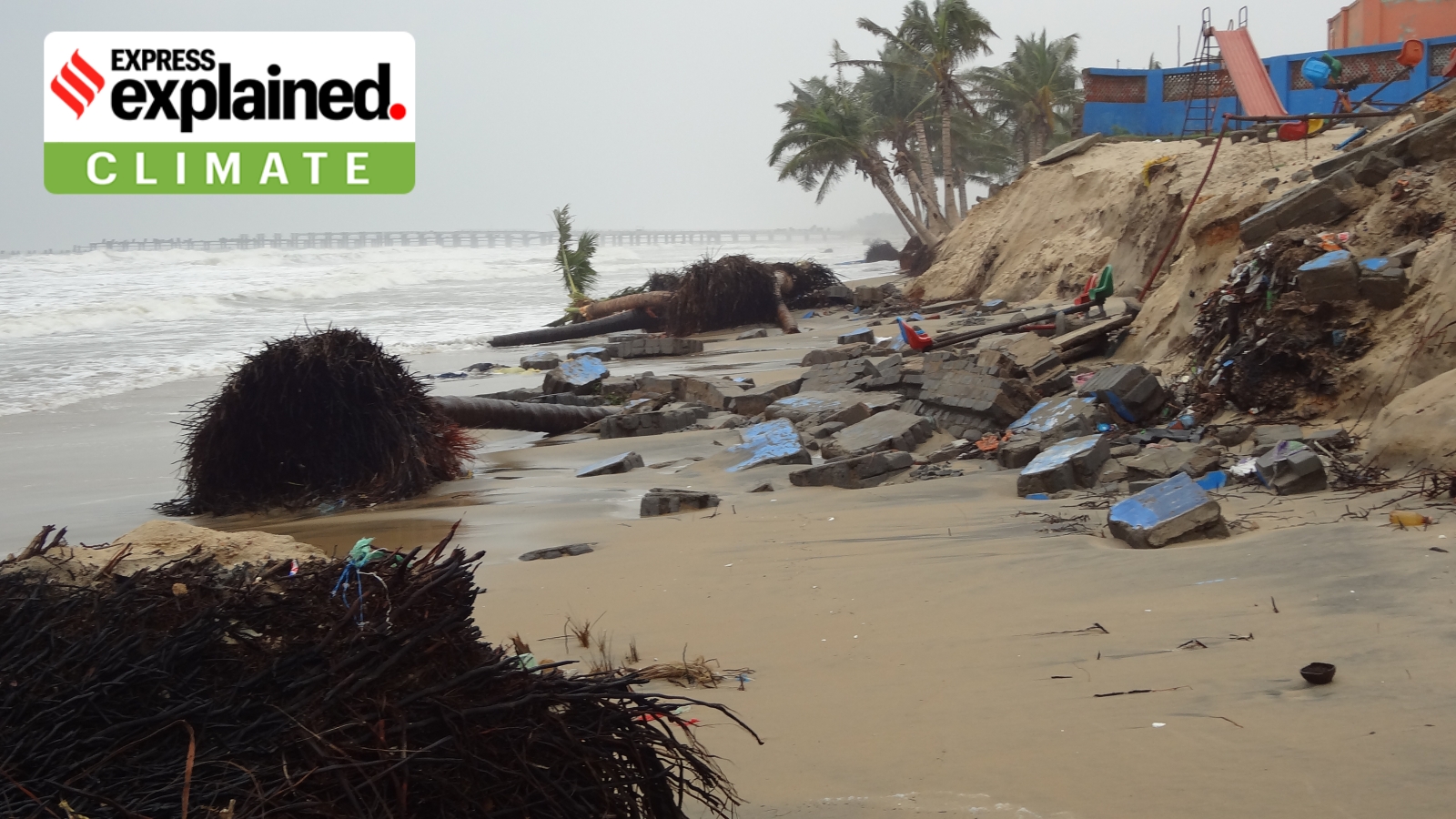
On 24 September, the UN General Assembly passed its first declaration addressing the escalating threat of rising sea levels. The rate of sea level rise has been accelerating for years, more than doubling from 1993 to 2024, according to the World Meteorological Organization. In 2024 alone, the sea level rose by 6 millimeters, the largest annual increase ever recorded.
Even under the most optimistic emissions scenario, global sea levels will have risen by around 38 centimeters by 2100, and possibly as much as 77 centimeters if emissions continue to increase. Sea levels will keep rising for centuries or even millennia, even if the world achieves net zero emissions.
The declaration focuses on the loss of territory faced by vulnerable countries, particularly island nations like Tuvalu, Kiribati, and the Maldives. While the declaration affirms that a country retains its sovereignty and rights even if its "defined territory" is lost to the sea, it also calls for adaptation and mitigation measures. These measures include respecting human rights, strengthening international cooperation, and allowing voluntary mobility for affected communities.
For India, which has a vast coastline of 11,098 kilometers and 1,298 offshore islands, the declaration holds particular significance. India's coastal lines are eroding at an alarming rate, with 33% of the mainland shoreline affected. A significant portion of India's coastline is already retreating by more than 5 meters per year, with some areas experiencing retreats of 3 to 5 meters. The government's National Centre for Coastal Research has mapped a "hazard line" indicating areas at risk of coastal erosion.
The declaration reaffirms India's commitment to maintaining stable maritime zones and coastal boundaries, even as sea levels rise. This support is crucial for India, as it protects the country's waters and ensures the viability of its coastal infrastructure.
Written by urgent.news from The Indian Express's reporting — not their text. Machine-written — may contain errors; check the original before relying on it.