DeepSeek partners with Huawei to develop chip programming tools, reducing reliance on Nvidia
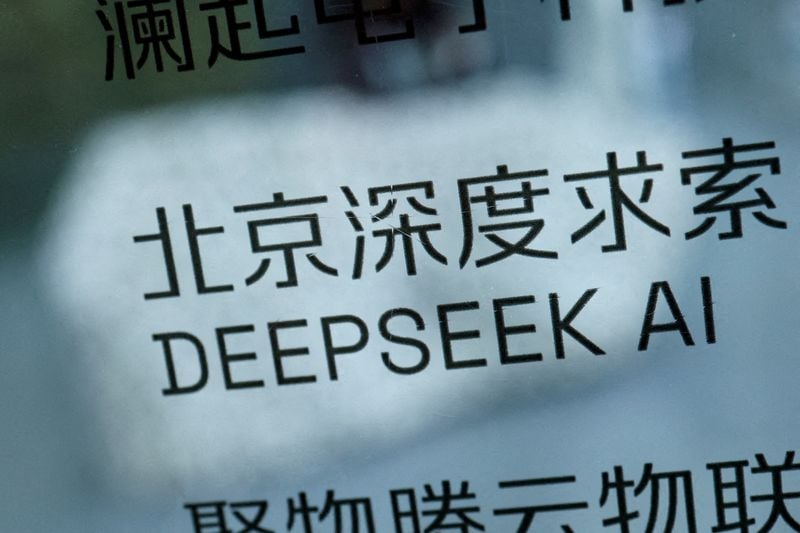
Chinese AI company DeepSeek has announced a partnership with Huawei Technologies to develop programming tools for Huawei's Ascend chips, marking the latest instance of Chinese tech firms strengthening alliances to reduce dependence on the Nvidia ecosystem. DeepSeek shared the news on its official WeChat account, revealing its commitment to open-source infrastructure for Huawei's Ascend platform, which includes a high-level programming language known as TileLang, as well as associated compute and communication libraries.
The primary objective of this collaboration is to establish an independent and self-controlled GPU software ecosystem. DeepSeek emphasized that their top priority is creating a high-level language that is universal, easy to program, and still capable of fully utilizing the hardware's performance potential. TileLang was specifically designed to meet this goal, according to the company.
TileLang was developed to fulfill the need for a simpler programming model compared to Nvidia's CUDA. By offering a more straightforward programming model, DeepSeek aims to enhance development efficiency and simplify code logic. This move highlights the growing trend among Chinese tech companies to seek alternatives to the Nvidia ecosystem and establish their own GPU software infrastructure.
Written by urgent.news from Investing.com's reporting — not their text. Machine-written — may contain errors; check the original before relying on it.
This story
This is one outlet's version. Read the fullest account.
- China’s DeepSeek open-sources tools to help Huawei chips supplant Nvidia in AI scmp.com
- DeepSeek partners with Huawei to develop chip programming tools, reducing reliance on Nvidia brecorder.com
- DeepSeek partners with Huawei to develop chip programming tools, reducing reliance on Nvidia nst.com.my
- DeepSeek partners with Huawei to develop chip programming tools, reducing reliance on Nvidia economictimes.indiatimes.com
- DeepSeek unveils Huawei AI chip tools that may replace Nvidia’s freemalaysiatoday.com
- DeepSeek says it has partnered with Huawei to develop programming tools for Huawei's Ascend chips, including TileLang, an open-source CUDA alternative (Reuters) reuters.com
- DeepSeek partners with Huawei to develop chip programming tools, reducing reliance on Nvidia straitstimes.com
- DeepSeek unveils Huawei AI chip software to challenge Nvidia seekingalpha.com