Analyse von Klimawandeldienst: 40 Prozent der Menschen sind Ozon-Extremwerten ausgesetzt
Eine neue Analyse zeigt: Hitzewellen, Brände und Saharastaub verschlechterten 2026 die globale Luftqualität massiv. Fast 40 Prozent der Weltbevölkerung sind von extremen Ozonwerten betroffen.
A recent analysis by the European Union's Copernicus program reveals that nearly 40 percent of the global population was exposed to extreme levels of ground-level ozone in 2026. This harmful pollutant, created through chemical reactions induced by sunlight and high temperatures, is invisible but poses significant health risks. While stricter regulations in the EU have led to noticeable improvements in particulate matter and nitrogen dioxide levels, ozone pollution in Europe remains consistently high.
In particular, southern European regions experienced more than 30 days of severe ozone exceedances during the sweltering summer of 2026. Globally, major cities such as Milan, Delhi, Cairo, and Mexico City topped the list of ozone pollution. In Asia, about 60 percent of the population was exposed to extreme ozone levels at least temporarily.
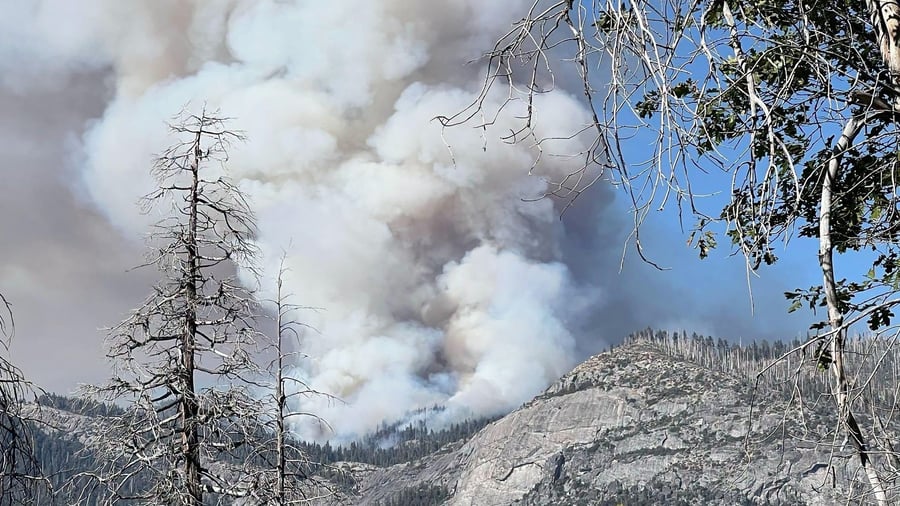
Europe saw around 17 percent of people face high or extreme ozone levels, yet 92 percent of the European population lives in areas exceeding a World Health Organization (WHO) threshold during the sunniest and hottest months. Wildfires and dust storms have exacerbated air quality issues, with wildfires in France, Spain, and Belgium causing evacuations and smoke plumes reaching hundreds of kilometers, even into Germany.
Dust from the Sahara Desert also frequently travels across the Mediterranean to Europe. The World Meteorological Organization reports that about two billion tons of sand and dust enter the atmosphere annually, with the Saharan dust reaching Europe in 2026. The combined impacts of air pollution, including increased mortality rates, are severe, with over four million premature deaths worldwide annually, leading to rates as high as 191 per 100,000 people in South Asia.
Written by urgent.news from Handelsblatt's reporting — not their text. Machine-written — may contain errors; check the original before relying on it.
This story
This is one outlet's version. Read the fullest account.