America is planning more AI datacenters than its chip supply can fill
Satellite imagery shows construction accelerating, but advanced packaging could cap 2027 deployment in the low 20s of gigawatts
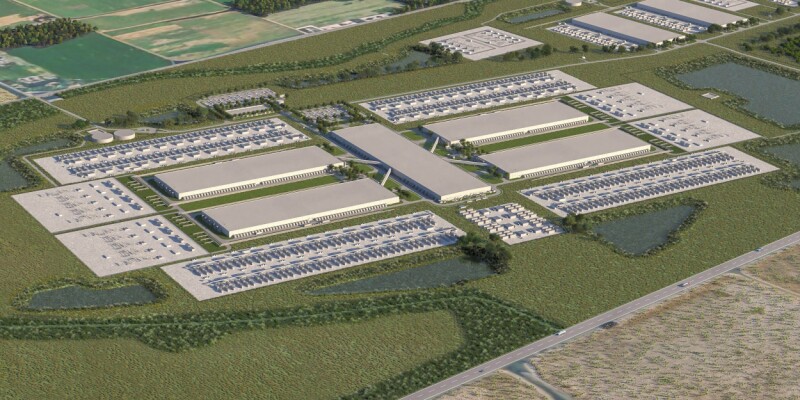
Recent satellite imagery indicates a surge in US datacenter construction, but it falls short of meeting ambitious forecasts for 2028. Advanced chip packaging poses a new constraint on the timely deployment of AI capacity, according to a report from investment bank Jefferies. While server farm construction is ongoing nationwide, delays in permitting, power access, and supplies of packaged AI accelerators hinder progress.
Jefferies' analytics firm, SynMax, which tracks land clearing and construction via satellite imagery, estimates US deployments will increase from around 11 GW in 2025 to 16-18 GW in 2026, a limit well below the 80 GW projected for the same year. However, land clearing has stagnated, leaving construction activity far below the pace needed to meet the more optimistic projections.
Advanced packaging, which combines AI accelerator dies with memory components for server installation, is another emerging bottleneck. Even US-manufactured chips may require overseas packaging, typically in Taiwan, creating a supply bottleneck. SynMax estimates current packaging capacity can support around 13 GW of gross power, translating to approximately 17.5 GW of total datacenter power after accounting for other components.
Two additional packaging projects slated for 2027 could add another 6 GW, but expansion must outpace forecasts to avoid capacity constraints. This is not the first warning about potential chip supply limits for datacenters. A 2023 report by London Economics International suggested that if all forecasted US AI chip projects between 2025 and 2030 materialize, the American market would need to absorb 90% of the global AI chip growth.
Concentrated development in Texas and Virginia could make US deployment figures particularly vulnerable to delays in these markets. In Texas, obtaining stable grid service can be challenging, and occasional power curtailments may be necessary to align with grid operator instructions. Jefferies notes that 99% uptime could be financially viable if curtailment were predictable, but unpredictable short-term curtailments could disrupt economics.
Written by urgent.news from The Register Science's reporting — not their text. Machine-written — may contain errors; check the original before relying on it.