Aayalolo contra-flow: Are we treating the symptom instead of the disease?
The Aayalolo contra-flow programme that began on September 29 is an intervention worth watching, but it should not be mistaken for a solution to Accra’s traffic crisis.
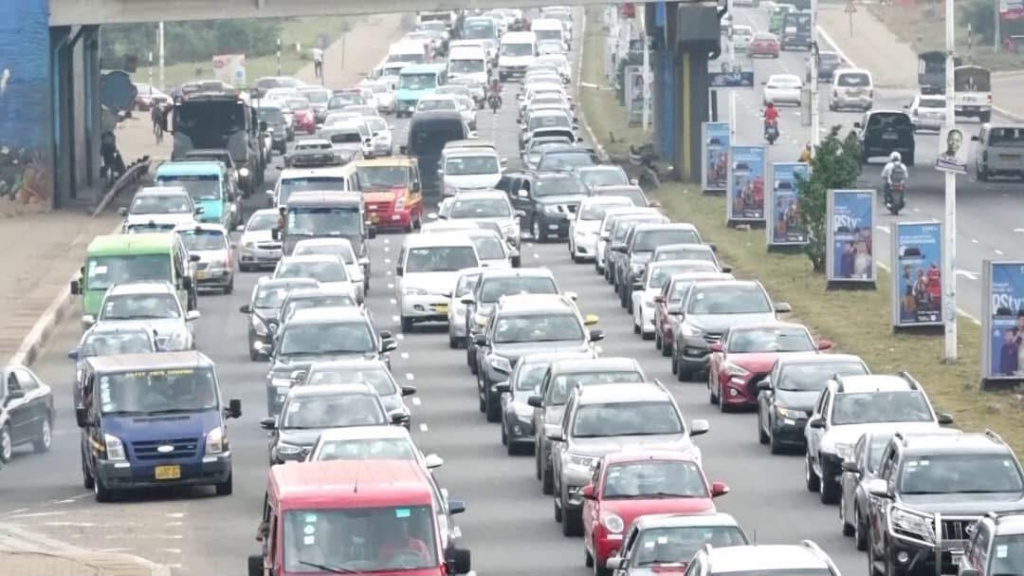
The Aayalolo contra-flow programme that commenced on September 29 is an intervention worth observing, but it should not be considered a cure-all for Accra's traffic crisis. The government's rationale is simple: deploy high-capacity Aayalolo buses on dedicated contra-flow lanes, transport more passengers simultaneously, and incentivize private motorists to switch to public transport.
Local Government Minister Mahama Ayariga has explicitly stated that the goal is to attract private-car users rather than expel trotro operators. However, the pressing question is whether granting Aayalolo priority on existing roads truly tackles the root of the problem. Accra's traffic crisis is fundamentally a public-transport, urban-planning, and commuting crisis.
Every day, thousands of workers depart from their residences far from their workplaces due to the unaffordability of housing near employment centers. They face challenges in procuring dependable vehicles, endure extended waiting periods, and confront unpredictable journeys, returning home after spending hours on the road. For many of these workers, the private car is not merely an indulgence; it can evolve into a response to an unreliable transport system.
Consequently, if the government aims to dissuade motorists from utilizing their cars, it must render public transport sufficiently dependable, frequent, affordable, comfortable, and predictable to vie with the convenience of the private car. While the contra-flow can expedite Aayalolo, a swifter bus is not inherently an improved transport system.
The program also raises a fundamental query: how many private cars will actually relinquish their positions on the roads because of it? If the buses primarily transport passengers who would otherwise use trotros, the count of vehicles removed from the roads may remain relatively limited. The government itself has clarified that Aayalolo will cater to longer-distance journeys while trotros will continue serving shorter routes.
This implies that the efficacy of this policy must be assessed beyond the swiftness of Aayalolo buses. We must inquire: How many private vehicles are removed from the roads? How many commuters are transported daily? How much time is conserved? And does the intervention alleviate total congestion, or merely extend a favored category of vehicles with a swifter passage through it?
There is no fault in piloting public transport solutions. In fact, Ghana urgently requires bold interventions. However, the nation requires a transport system - a comprehensive solution, not mere traffic maneuvers. A sustainable solution demands reliable mass transit, enhanced interchange systems, improved pedestrian infrastructure, fortified traffic management, fitting parking policies, coordinated land-use planning, and a determined effort to bring jobs and housing closer together.
The government deserves commendation for attempting something novel. Nonetheless, it must also be prepared to evaluate the results honestly. Accra's traffic predicament is too significant to be condensed into the question of how swiftly one bus can navigate congested roads. The true test lies in whether the average Ghanaian worker can reach work and return home faster, more affordably, and with less stress.
Until that occurs, we should approach labeling the Aayalolo contra-flow program a solution to Accra's traffic crisis with caution.
Written by urgent.news from MyJoyOnline Ghana's reporting — not their text. Machine-written — may contain errors; check the original before relying on it.