Station Quartet Preps for Departure Amidst Air and Water Quality Checks
Four Expedition 75 crew members spent Tuesday packing up and preparing the SpaceX Dragon spacecraft they will ride home in for its upcoming departure. Air and water quality checks and Earth observations rounded out the schedule aboard the International Space Station. The post Station Quartet Preps for Departure Amidst Air and Water Quality Checks appeared first on NASA Science .
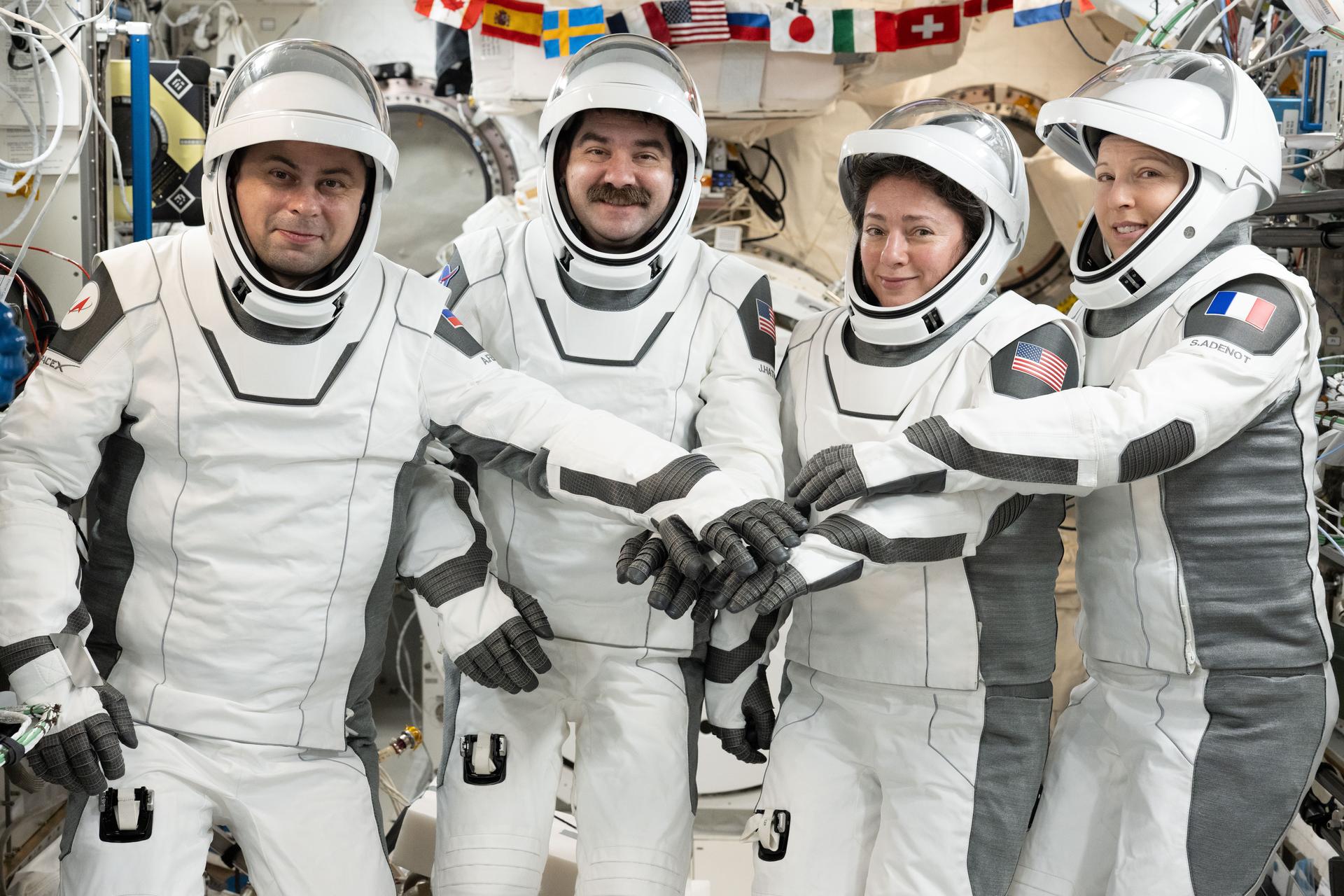
NASA’s SpaceX Crew-12 members are preparing for their departure from the International Space Station as they conduct air and water quality checks, and Earth observations. The crew consists of NASA astronauts Jessica Meir, Jack Hathaway, Roscosmos cosmonaut Andrey Fedyaev, and ESA astronaut Sophie Adenot.
The four astronauts began packing their personal belongings and other cargo into the homebound Dragon spacecraft on Tuesday. They also participated in a debriefing conference, where they shared their experiences during the mission. Meir joined NASA flight engineer Anil Menon, who will remain aboard the station for a few more months, to configure the Dragon's seats and reorganize emergency gear.
Hathaway addressed a potable water dispenser in the Unity module, while Adenot measured the airflow in her crew quarters for proper air circulation. Fedyaev transferred and filtered water between tanks in the Roscosmos modules to ensure safe consumption, and concluded his shift by deleting personal data from the space station computers.
During their shifts, Fedyaev and Dubrov focused on transferring water and maintaining safe air quality in the Roscosmos modules. Kikina checked video recording hardware and installed automated Earth observation gear to capture landmarks in Africa and Asia during the crew's sleep shift.
Written by urgent.news from NASA Science's reporting — not their text. Machine-written — may contain errors; check the original before relying on it.