The Ugly Side Of AI: How A Fake Viral Video Triggered Unrest In Ujjain
Clashes broke out at Ujjain's Shahi Masjid after AI-generated videos showing the entire mosque being demolished spread rapidly across social media. Madhya Pradesh Police later confirmed the videos were fabricated, calling them 'completely false'. Only a three-foot overhang of the mosque, at the alignment of a road-widening project, was ever sanctioned for removal by the Madhya Pradesh High Court,…
Clashes erupted outside Ujjain's Shahi Masjid after AI-generated videos claimed the mosque would be entirely demolished. The Madhya Pradesh Police later confirmed these videos were entirely false, stating that only a three-foot overhang of the mosque had been sanctioned for removal by the High Court. The circulating video depicted total demolition using heavy machinery, which incited the crowd more than any administrative order could.
This incident is part of a growing trend in India where synthetic AI-generated media spreads rapidly and causes unrest. A year of AI fakes has weaponised public trust in various sectors, from politics and finance to civic life. Recent examples include a deepfake video of Union Finance Minister Nirmala Sitharaman that duped an investor in Hyderabad, and a 76-year-old man in Belagavi who lost Rs.
7.9 lakh in a similar scam. The fraud has also extended to philanthropist Sudha Murty, who had to warn the country about AI-generated voice and face clones used in investment scams. The fraud has become more technically advanced, with Ahmedabad gang using Google's Gemini AI to bypass Aadhaar-linked biometric verification and commit fraudulent loans.
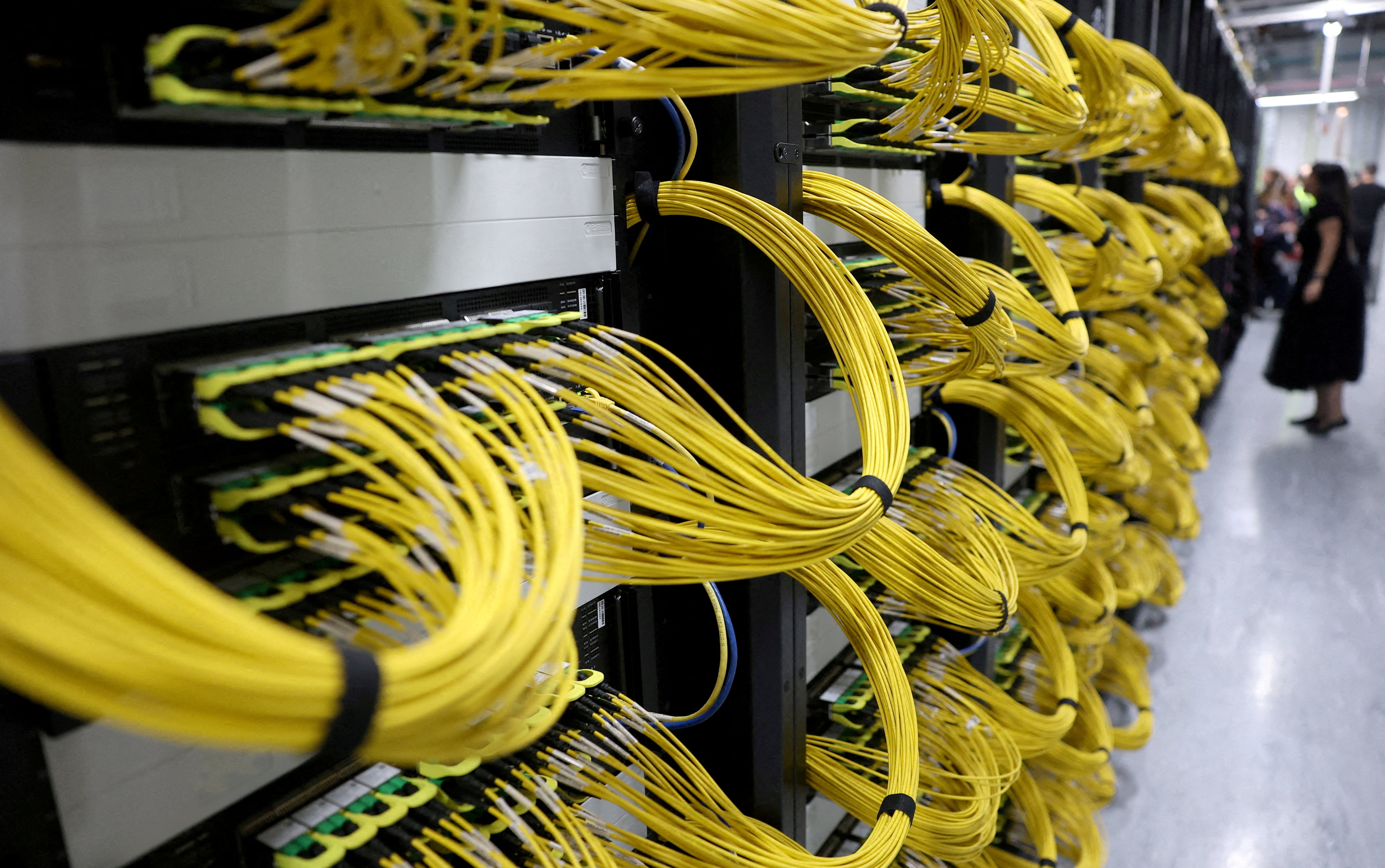
The environmental cost of AI is also a concern, with data centre emissions in India running 20 times higher than countries like Norway or Sweden, primarily due to reliance on coal-heavy grids. The root of the issue lies in India's information ecosystem, where there is almost no friction between a convincing fake and mass belief, leaving police to deal with the aftermath instead of intercepting the content before it spreads.
Written by urgent.news from Free Press Journal's reporting — not their text. Machine-written — may contain errors; check the original before relying on it.