Plastic Is Melting Onto Corals
Scientists have found a new form of pollution, one where plastic and pieces of coral become irreversibly intertwined.
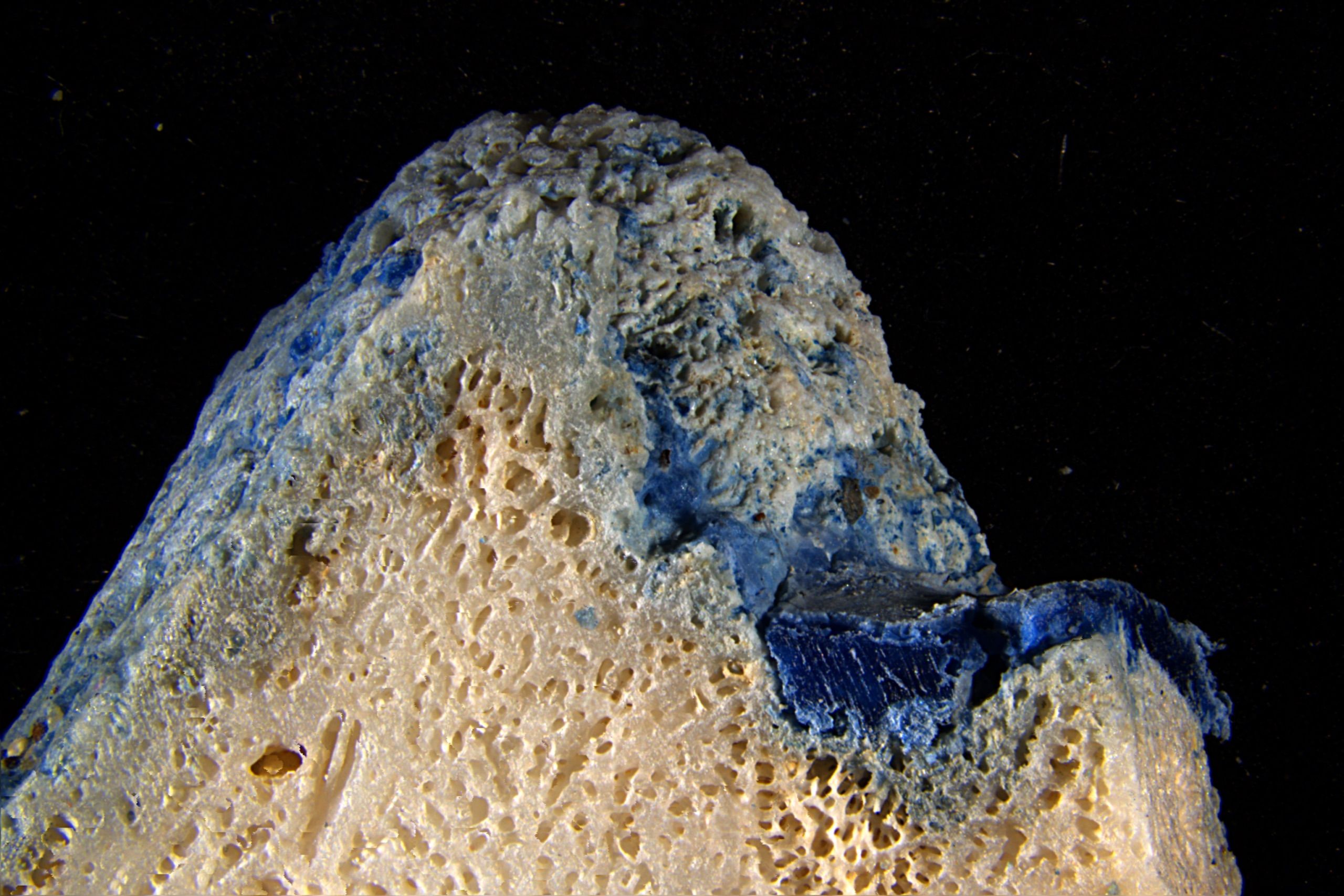
Scientists have long observed marine life entangled in or ingesting plastic waste, even coining the term "Plastocene" for the era starting in the 1950s. Now, researchers have uncovered a novel environmental pollution method: plastic is merging with corals, dubbed "plasticoral." This was observed during a Ryukyu Islands beach survey in southern Japan, where polka-dotted coral gravel was discovered.
Samples from three Okinawa beaches were analyzed, revealing polymers from everyday household plastics. Micro-CT scans confirmed the polymers had fused into the coral's microscopic pores, making separation impossible. This isn't the first time plastic has intertwined with nature, as plastic layers have been found on mussels and algae in tide pools.
However, this marks the first observation of plastic fusion with corals. Despite not being living organisms, coral rubble often returns to the sea and is vital for reef ecosystems, providing essential habitats for marine life. The impact of plasticorals on corals is unknown, but studies suggest some chemicals from plastics can hinder coral reproduction, and plastic fragments may carry pathogens.
The fusion mechanism is unclear, though increasing ocean temperatures and ultraviolet radiation are considered, along with beach bonfires as a leading suspect. Further research is needed to confirm these suspicions, but given plastic's widespread pollution, it's plausible that even in pristine areas, bonfires could inadvertently create these fusions.
Written by urgent.news from Wired's reporting — not their text. Machine-written — may contain errors; check the original before relying on it.
This story
This is one outlet's version. Read the fullest account.
- Plastic Is Melting Onto Corals wired.com