Earth’s 2 biggest oceans are showing a strange—and unsettling—new pattern
This weekend much of the Eastern Seaboard got hit with an unusual September nor’easter , bringing torrential rains, damaging winds, and coastal flooding from northern Maine all the way down to North Carolina. Here in New England , the heavy rains continued on Monday. This year’s record-breaking Super El Niño is at least in part to blame for the scrambling of the hurricane seasons in our two…
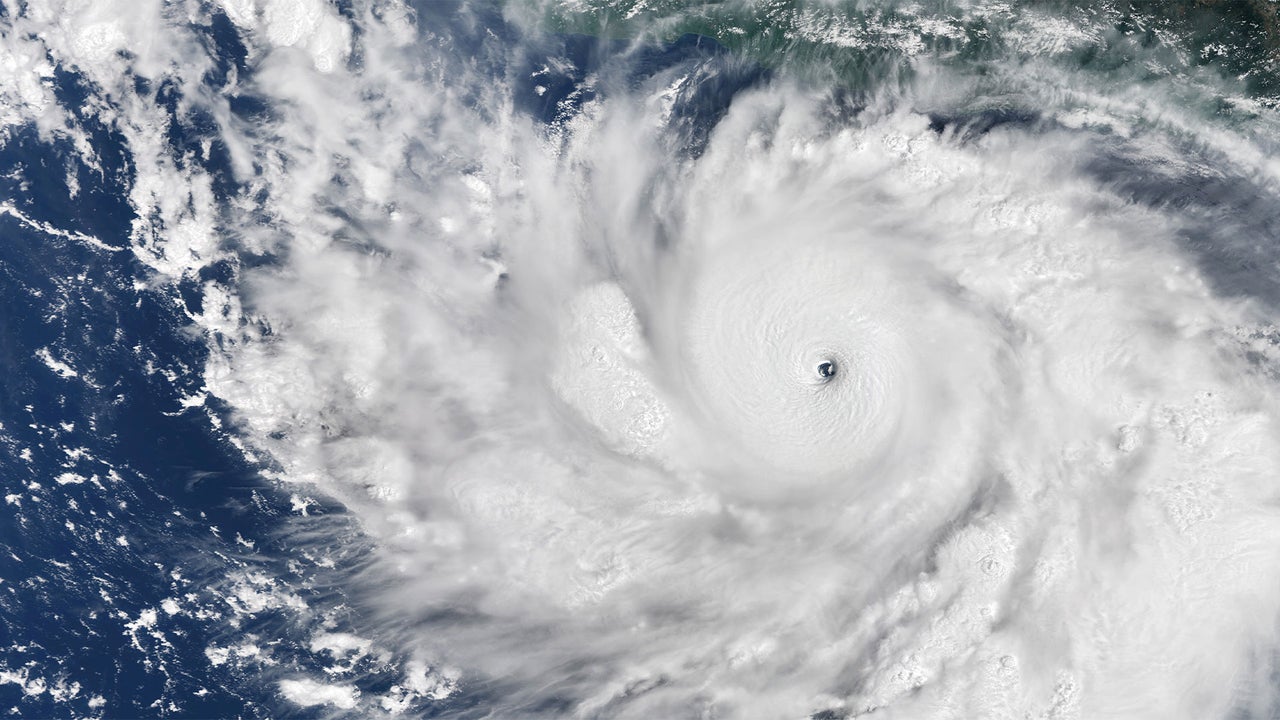
This weekend, portions of the Eastern Seaboard experienced an unusual September nor'easter, resulting in heavy rainfall, strong winds, and coastal flooding ranging from northern Maine to North Carolina. New England is still grappling with persistent heavy rains. This year's record-breaking Super El Niño is likely responsible for disrupting hurricane seasons in the Atlantic and Pacific oceans.
Consequently, while the Atlantic remains relatively quiet, the Pacific is brimming with major storms. This unusual pattern has the potential to cause significant damage along California's coast, impacting sea levels and potentially leading to flooding, as previously reported by Fast Company. The Atlantic hurricane season, which is typically at its peak by this time, has produced only seven tropical storms so far, whereas the Pacific has witnessed an unprecedented eight hurricanes and approximately 18 tropical storms.
The combination of these events has led some media outlets to describe the hurricane season as "broken," as the two oceans appear to be switching their usual seasonal conditions. For instance, the National Hurricane Center predicts that Tropical Depression Fay will not intensify in the central Atlantic, while in the Pacific, Hurricane Nolo, a Category 4 storm with wind speeds near 155 mph, is causing life-threatening surf and rip current conditions for the southern and western shores of the Hawaiian Islands.
Furthermore, climate scientists project that El Niño will raise sea levels by approximately a foot by the middle of next month along the California coastline, potentially triggering "Kelvin waves" that could cause coastal erosion and severe flooding in Northern California, particularly in low-lying areas such as San Francisco Bay and surrounding communities.
Written by urgent.news from Fast Company's reporting — not their text. Machine-written — may contain errors; check the original before relying on it.