UAE’s Rashid Rover 2 Moon mission hits new milestone: Radar to probe 100 metres below lunar surface
Dubai: The UAE has reached another milestone on its road to the Moon. The Mohammed Bin Rashid Space Centre (MBRSC) in Dubai announced on Tuesday that it has completed the integration of RTx, a ground-penetrating radar transmitter, onto Rashid Rover 2. The step moves the Emirates Lunar Mission closer to its journey to the far side of the Moon. The new payload will let the rover send radio signals…
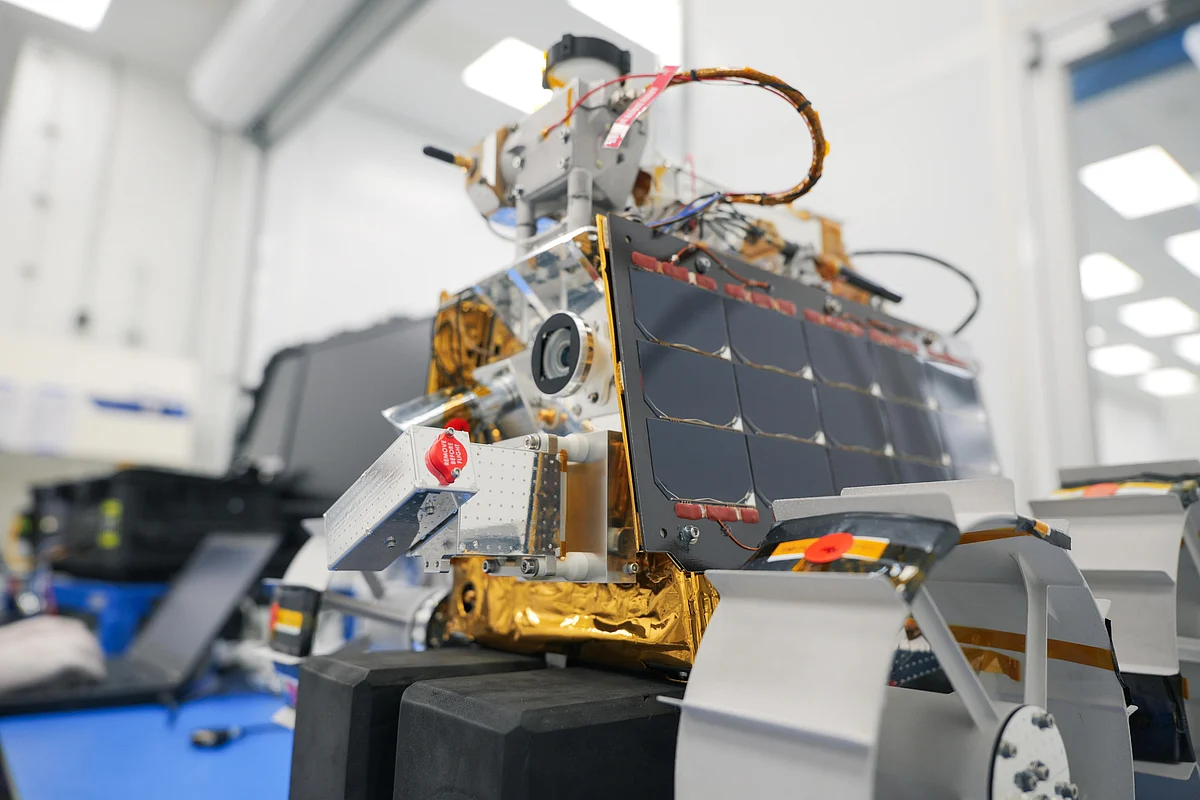
Dubai's Mohammed Bin Rashid Space Centre (MBRSC) has announced the completion of integrating a ground-penetrating radar transmitter, RTx, onto the UAE's second lunar rover, Rashid Rover 2. This development brings the Emirates Lunar Mission closer to its launch to the far side of the Moon. The radar will allow the rover to send radio signals that can penetrate up to 100 metres beneath the lunar surface, providing scientists with unprecedented insight into the Moon's subsurface.
The UAE's lunar mission suffered a setback in April 2023 when the first rover crashed during its landing attempt. Since then, the UAE has been preparing for its second mission. In 2025, a strategic agreement was signed between MBRSC and Firefly Aerospace, under which the company's lunar lander will transport Rashid Rover 2 to the Moon.
The rover underwent rigorous testing in the UAE and abroad before being sent to the United States for final preparations. Once on the Moon, Rashid Rover 2 will study the lunar terrain, surface composition, thermal properties, and more. The radar will collaborate with the LuSEE-Night radioastronomy spectrometer on the lander to better understand the Moon's meteorite-bombardment history and the presence of iron-titanium minerals in the subsurface.
Written by urgent.news from Gulf News's reporting — not their text. Machine-written — may contain errors; check the original before relying on it.