OpenAI launches Dots, its Muse competitor
OpenAI is responding to Meta's buzzy Muse AI with agentic helpers of its own: Dots. During its DevDay keynote on Tuesday, OpenAI announced that Dots will serve as always-on AI assistants that can "do nearly anything" across connected apps in the background while learning your preferences over time. The company's capable GPT-6 Astra model powers […]
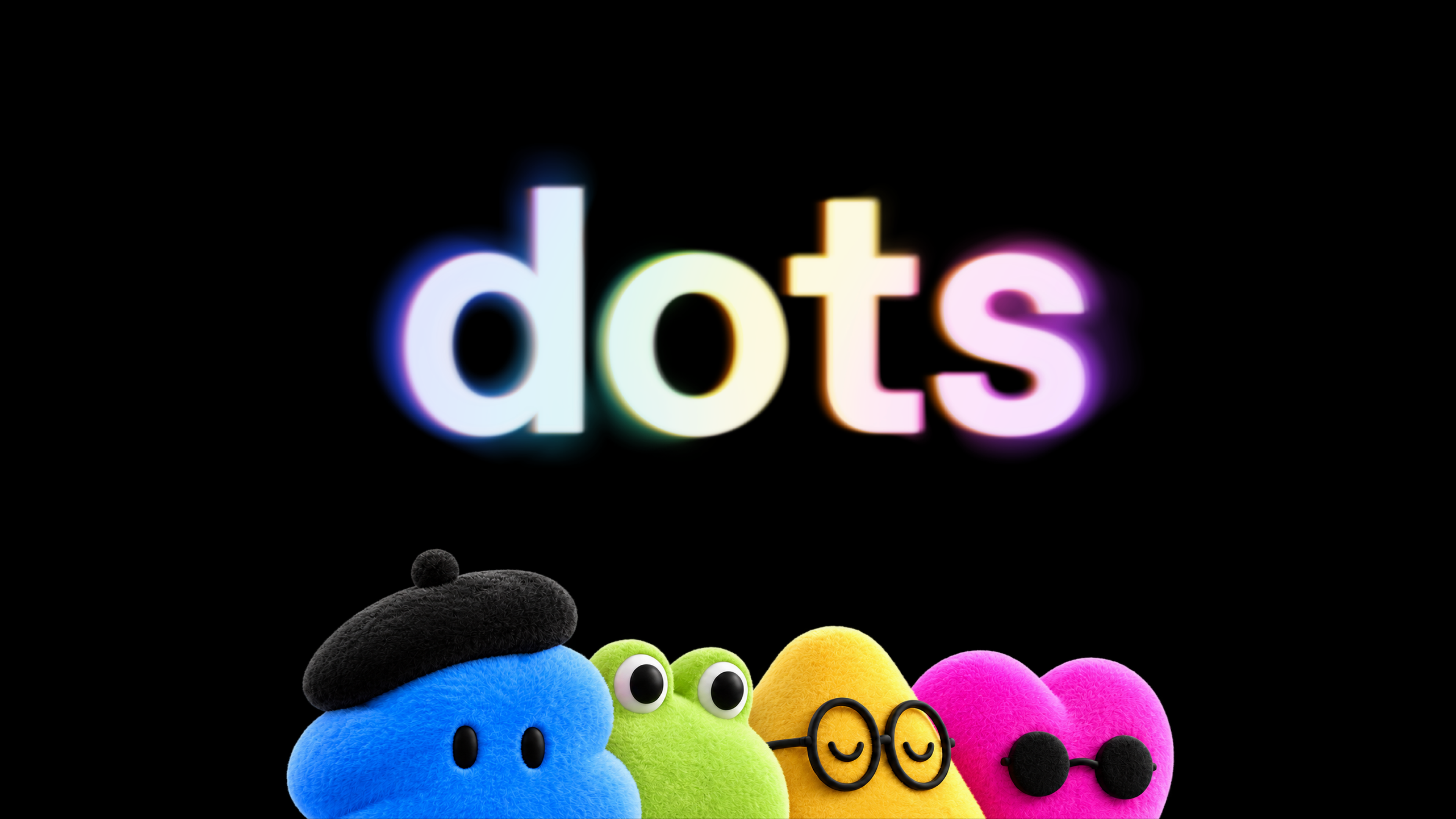
OpenAI unveiled Dots, persistent agents powered by GPT-6 Astra, during its DevDay event. These agents operate independently on their own cloud computers, equipped with browsers and capable of accessing over 4,000 apps through OpenAI’s plugin ecosystem. Unlike conventional agents that pause for each new prompt, Dots continue running when you're away, capable of handling multiple projects simultaneously and retaining knowledge across platforms like ChatGPT, Slack, and Microsoft Teams.
Developers can monitor Dots' work or delegate direct control from their laptops. A Dot's functionality extends to analyzing customer feedback, scoping improvements, building and testing changes, and submitting pull requests complete with video explanations of alterations. This hands-off approach allows developers to concentrate on bigger features while the Dot manages smaller tasks.
Using Dots starts automatically when a bug is detected in Slack, or when new designs are introduced, leading to the creation of functional apps while the development team remains focused on customer feedback. Developers can assign new tasks to a Dot as it continues working on other projects without initiating a new thread or going through every step.
The scope of Dots' capabilities extends beyond coding. OpenAI demonstrated Dots rerunning scientific analyses with fresh data, updating sales proposals according to changing customer requirements, and converting interview transcripts into video highlights, show notes, and social media content. A critical safeguard is the separation of finding work from acting on it; during inactive periods, Dots engage in "proactive research" within connected apps, but they cannot send messages, change content, or control browsers or computers.
Actions that could impact user accounts or share information are reviewed separately through an "auto-review" step, ensuring the work aligns with user instructions, OpenAI's safety requirements, and any custom rules set by the user. For sensitive tasks like changing a password, the user maintains full control. OpenAI incorporates safeguards against malicious instructions and a monitoring system to halt or pause a Dot if any safety issue is detected.
Users have access to an Activity View to track every action a Dot performs, including background tasks, and can redirect it as needed. OpenAI emphasizes that while Dots can make errors, developers should review any consequential work. By default, OpenAI does not utilize content from Business, Enterprise, or Education workspaces to enhance its models.
Users with personal plans can decide whether their Dot's conversations and work contribute to model training, and proactive research or notes written by the Dot will not be directly incorporated into future models, subject to user preferences. Specialist Dots and Agent 365 are also being developed.
Written by urgent.news from The New Stack's reporting — not their text. Machine-written — may contain errors; check the original before relying on it.
This story
This is one outlet's version. Read the fullest account.
- OpenAI just launched Dots. Here’s why they matter for developers. thenewstack.io
- OpenAI announces ChatGPT Dots — here's what the new AI agents can do tomsguide.com
- OpenAI just launched its answer to Meta: 'always-on' AI agents called Dots businessinsider.com
- OpenAI takes on Meta with always-on Dots agent in enterprise AI push channelnewsasia.com
- OpenAI takes on Meta with always-on Dots agent in enterprise AI push economictimes.indiatimes.com
- Meet OpenAI's "dots" — a new AI assistant meant to take on Meta's Muse. axios.com
- OpenAI unveils its Muse competitor: Dots semafor.com
- OpenAI announces ChatGPT Space, a collaborative workspace for users and ChatGPT and Dots, available on Pro, Business and Enterprise plans (Kris Holt/Engadget) engadget.com