On Iran, Greenland and press access, Trump is more talk than action
The administration of Donald Trump is a tale told by an autocrat “full of sound and fury, signifying nothing.”
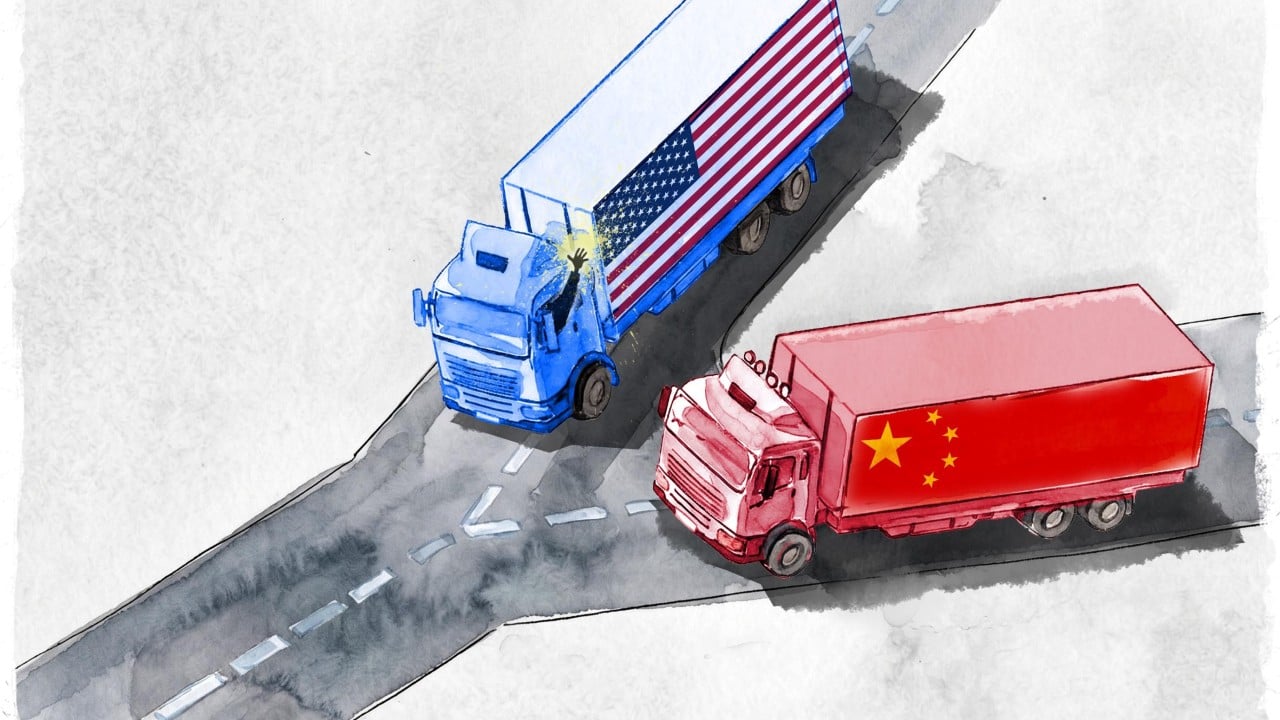
The global trade landscape is navigating a period of unprecedented unpredictability, marked by conflicts in Ukraine and the Middle East, as well as the disruptive tariffs of US President Donald Trump. The COVID-19 pandemic had already caused a shift away from China, the world's largest manufacturer, leading to factory closures and global supply chain disruptions.
The ensuing trade wars imposed by Trump pushed US duties to their highest levels in decades, compelling firms to seek new suppliers and markets. Despite these challenges, global trade has remained remarkably resilient, with goods trade volumes increasing by 4.6% last year, driven by strong demand for advanced technology. China remains the world's largest exporter of goods, while the United States is the largest importer.
The European Union holds the second position in both categories. However, a recent report suggests that strong AI exports could be masking a drop in global trade that might otherwise be occurring. AI-related technology now accounts for about one-sixth of goods trade, but nearly half of global trade growth. Trump has continued to deviate from WTO rules, implementing country-specific duties and negotiating reciprocal tariffs with individual countries.
Despite this, global trade still adheres to the WTO's core terms for about 72% of goods, a slight decline from 2022. Since around 2015, global trade has grown at the same pace as the global economy, but experts are uncertain whether recent geopolitical upheavals signal the end of globalization or simply a shift in trading partners.
The EU has reduced its reliance on Russian gas and oil imports following Russia's invasion of Ukraine, seeking alternative sources such as the US, Norway, Australia, and Kazakhstan. Meanwhile, Iran's blockade of the Strait of Hormuz has disrupted global energy supplies, but this has been mitigated by increased production from the US, Kazakhstan, Brazil, and Venezuela.
Strategic oil reserves have also been tapped to maintain supply levels. Trump's tariffs have negatively impacted US imports from China, while boosting imports from other countries. The question of what would replace the WTO if it were to be shelved remains open, with options including continued Trump-style tariffs or a web of free trade deals.
Written by urgent.news from DW English (Top Stories)'s reporting — not their text. Machine-written — may contain errors; check the original before relying on it.
This story
This is one outlet's version. Read the fullest account.
- Global trade weathers Iran, Ukraine and Trump's tariffs dw.com
- India-Europe trade corridor gets Trump’s backing, but can IMEC survive war? scmp.com
- Iran threatens to attack Mideast infrastructure after Trump dismisses Hormuz proposal timesofisrael.com
- Deloitte Canada cuts GDP forecast by 20% as tariffs grip economy amid Trump's trade war cbc.ca
- Iran warns region over oil exports as Trump talks with Tehran continue haaretz.com
- ‘Iran not after nuclear weapons’: Iranian Guard Corps spokesperson denies US claim; calls Trump ‘a big liar’ hindustantimes.com
- Iran tells the US public that Trump’s war has failed, and other Mideast developments winnipegfreepress.com