NASA highlights lessons learned from Swift boost mission
A commercial mission to boost NASA's Neil Gehrels Swift Observatory ended without raising the spacecraft's orbit, but the agency and Katalyst Space gained experience that will benefit future in-space servicing programs.

NASA's mission to boost the Swift Observatory using a commercial satellite named LINK has concluded, but the agency and Katalyst Space have gained valuable lessons that will aid future in-space servicing programs. Initially, Swift was set to re-enter Earth's atmosphere by the end of the year, but the boost mission aimed to extend its operational life.
Swift, launched in 2004, has been instrumental in studying gamma-ray bursts and various cosmic phenomena, contributing significantly to our understanding of the universe. However, increased solar activity exacerbated drag from Earth's atmosphere, causing Swift's orbit to decay rapidly.
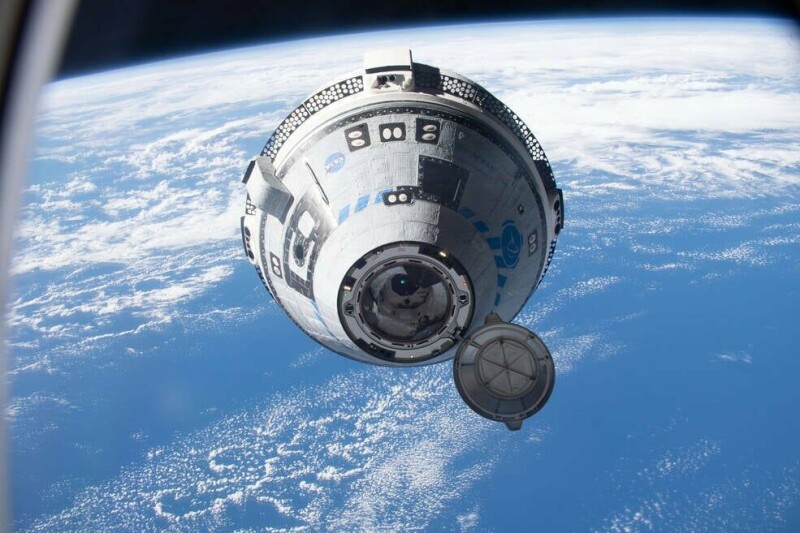
In September 2025, NASA contracted Katalyst Space, based in Arizona, to attempt the boost mission. The LINK satellite, launched from Kwajalein Atoll in July aboard a Northrop Grumman Pegasus XL rocket, faced challenges such as intermittent communications losses and orientation control issues. After scaling back the mission, LINK focused on technology demonstrations to advance U.S. commercial servicing capabilities.
Katalyst CEO Ghonhee Lee expressed pride in the team's ability to design, build, test, and launch LINK within a condensed timeline. Despite not achieving all objectives, the mission provided a foundation for future advancements in the U.S. commercial space robot industry.
NASA's Swift team worked closely with Katalyst to develop a timeline that allowed the mission to launch quickly while addressing risks. Both teams received valuable input from NASA's Engineering and Safety Center during integration and testing.
Swift's flight controllers at Penn State University attempted to minimize drag on the observatory by altering its observation targets. Although the boost mission did not succeed in capturing Swift, the experience gained by both agencies will contribute to future in-space servicing efforts.
Written by urgent.news from Phys.org's reporting — not their text. Machine-written — may contain errors; check the original before relying on it.
This story
This is one outlet's version. Read the fullest account.
- NASA Highlights Lessons Learned From Swift Boost Mission science.nasa.gov