Boeing's Calamity Capsule gets another shot at the ISS taxi business
Starliner-1 could fly by January, with astronauts to follow by 2028 if all goes well
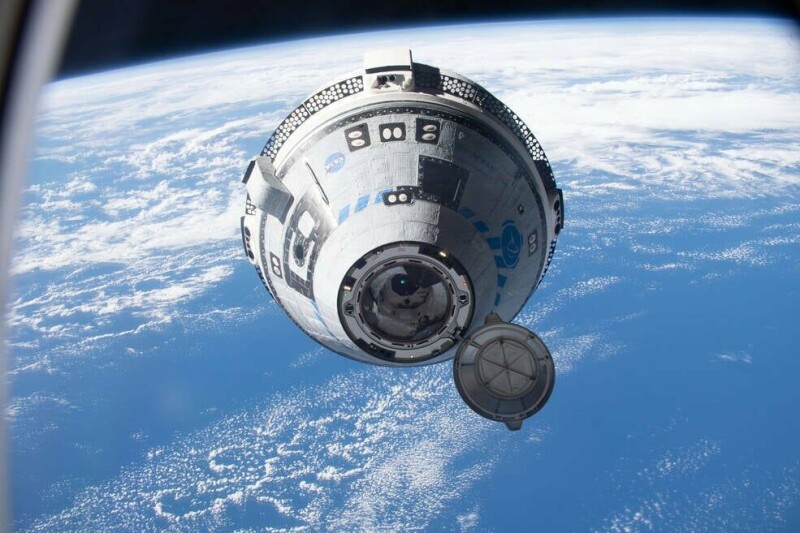
Boeing's Starliner, also known as the Calamity Capsule, may have a second chance to transport crew to the International Space Station (ISS). NASA and Boeing have announced plans to launch an uncrewed Starliner-1 in December 2026/January 2027, followed by a crewed Starliner-2 in 2028. The first flight will carry cargo to the ISS, with humans aboard for Starliner-2 once all goes well.
NASA plans to exercise options for additional flights to and from the ISS and to certify the Vulcan rocket to replace the Atlas V, which has launched Starliner thus far. In 2025, NASA reduced the Starliner contract from six to four missions. Boeing's Starliner has completed one crewed flight since the contract was awarded in 2014, but recent tests have ended with an empty capsule returning to Earth due to multiple failures deemed too risky for humans.
Despite struggles, SpaceX's proven Crew Dragon is essential for crew transportation to and from the ISS. NASA recently added three more Crew Dragon missions to the ISS, and 2028 appears to mark the end of the road for Starliner. However, maintaining a US crew transportation capability is crucial for winding down the ISS and transitioning to commercial stations, potentially opening opportunities for Starliner.
Boeing stated that 19 out of 21 in-flight anomalies during the crew flight test have been resolved, with the remaining issues expected to be addressed by October. Despite the high costs, closing in-flight anomalies and the need for continued commercial access to orbit using US vehicles in a possible post-Crew Dragon environment make the Calamity Capsule's operational return somewhat understandable.
Written by urgent.news from The Register Science's reporting — not their text. Machine-written — may contain errors; check the original before relying on it.