NASA Highlights Lessons Learned From Swift Boost Mission
A commercial mission to boost NASA’s Swift observatory concluded without raising the spacecraft’s orbit, but the agency and industry vendor gained valuable experience that will benefit future in-space servicing programs. The post NASA Highlights Lessons Learned From Swift Boost Mission appeared first on NASA Science .
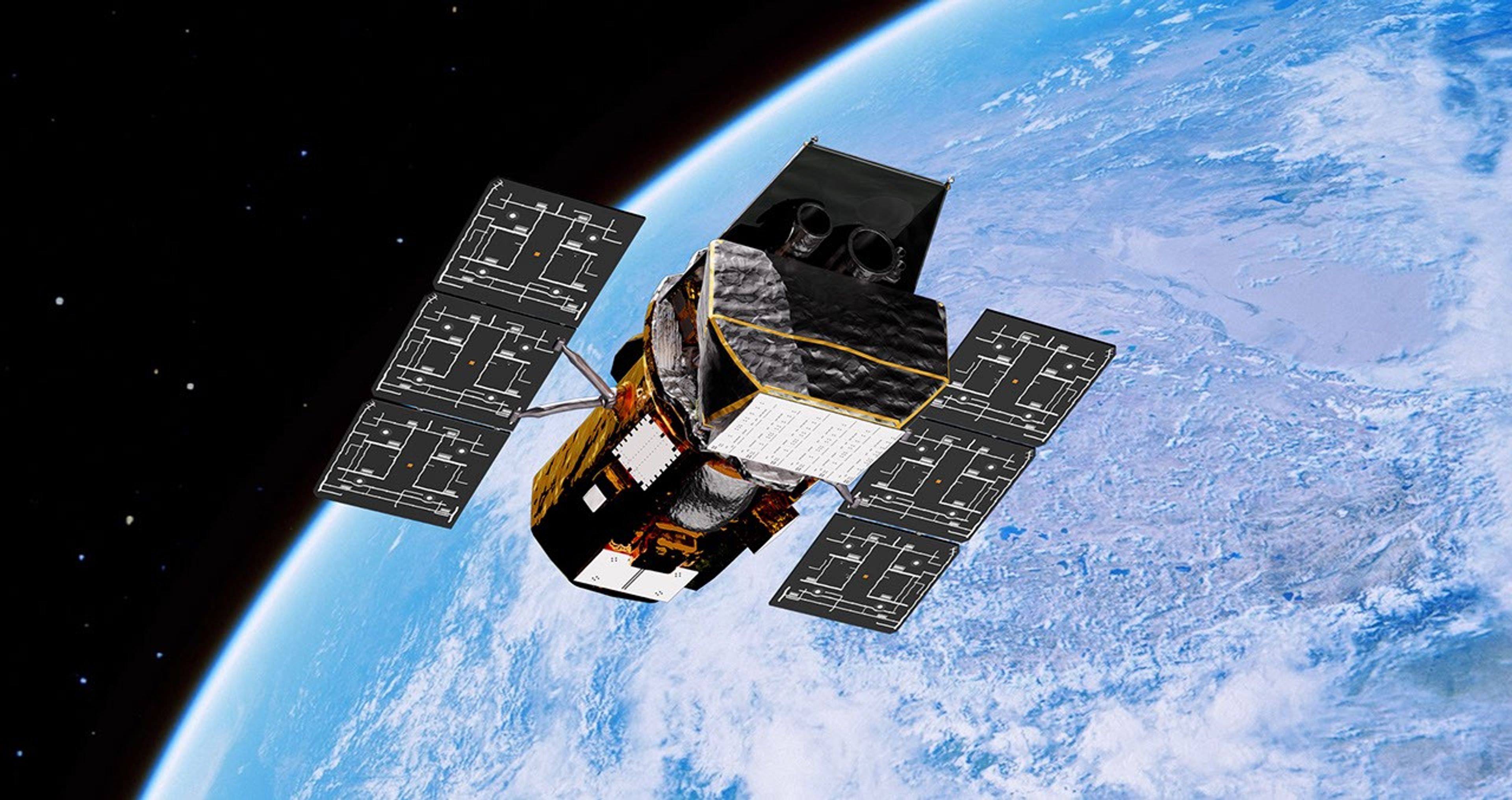
NASA’s Neil Gehrels Swift Observatory, launched in November 2004, has significantly advanced our understanding of the universe. However, due to increased solar activity, the spacecraft’s orbit began to degrade faster than expected. NASA and commercial vendor Katalyst Space collaborated on a mission aimed at boosting Swift’s orbit, but the endeavor faced numerous challenges.
"The mission was high-risk from the start," remarked Shawn Domagal-Goldman, Astrophysics Division director at NASA Headquarters. "Without intervention, Swift would have re-entered Earth’s atmosphere by the end of the year." The team worked against a tight schedule, issuing a call for proposals to the agency’s Small Business Innovation Research program just months after the mission’s conception. Katalyst Space, based in Arizona, was selected to design, build, and launch a satellite capable of grabbing and boosting Swift.
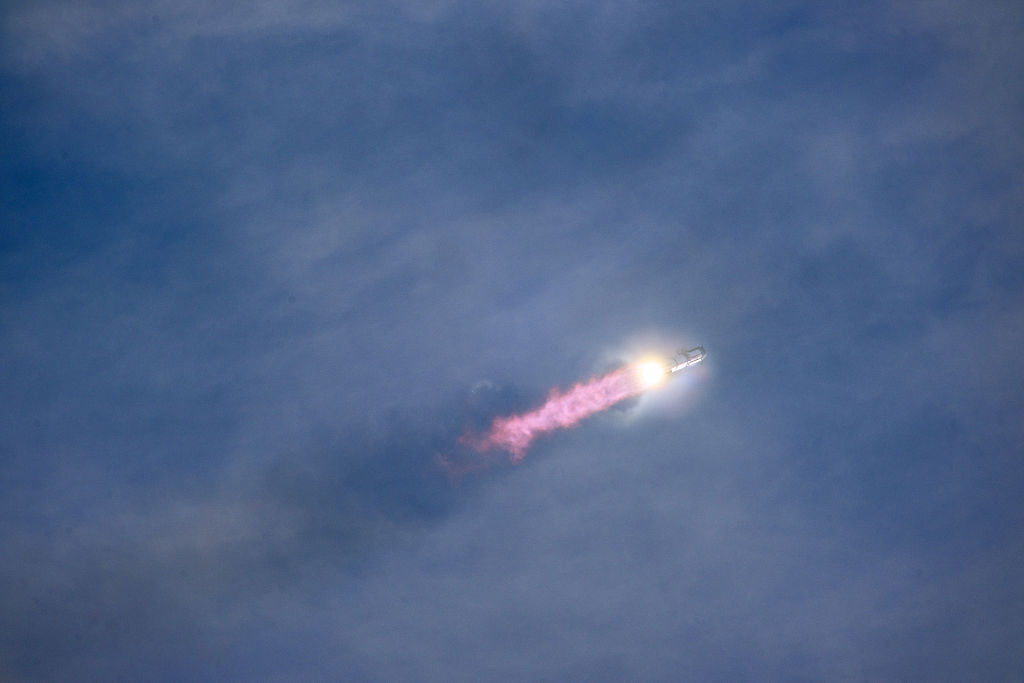
Despite technical difficulties, including intermittent communications and orientation control issues, Katalyst Space launched LINK, their robotic servicing spacecraft, aboard a Northrop Grumman Pegasus XL rocket in July 2026 from Kwajalein Atoll. Due to the mission’s compressed timeline and subsequent setbacks, LINK was reconfigured to focus on technology demonstrations rather than attempting to boost Swift.
The experience gained from this high-risk mission will undoubtedly enhance future in-space servicing programs, bolstering the U.S. commercial servicing industry’s capabilities.
Written by urgent.news from NASA Science's reporting — not their text. Machine-written — may contain errors; check the original before relying on it.
Also reported by 1 other outlet
- NASA Highlights Lessons Learned From Swift Boost Mission science.nasa.gov