Lebanon prison tensions flare after amnesty law suspended
When the Lebanese parliament approved a landmark amnesty bill on August 12, prisoners at the country's largest jail in Roumieh cheered ahead of their expected release while supporters let off fireworks elsewhere. Weeks later, those scenes have been replaced by anger, despair and protest after an appeal was filed this month against the law by the Free Patriotic Movement, one of the Lebanese…
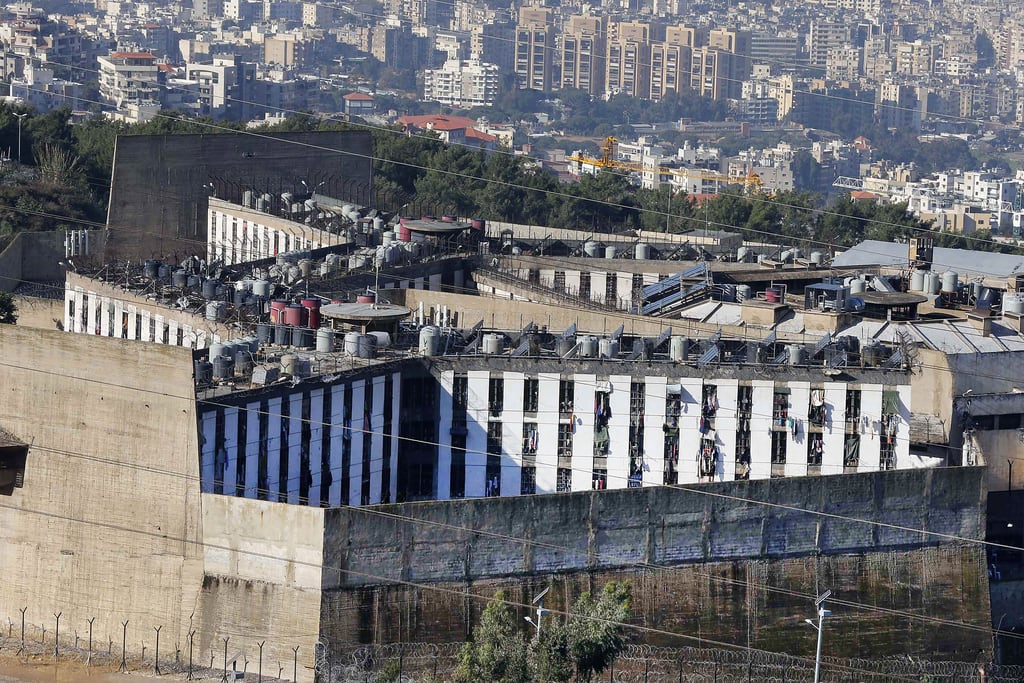
After the Lebanese parliament approved an amnesty bill on August 12, prisoners at the country's largest jail in Roumieh celebrated their expected release, while supporters set off fireworks elsewhere. Months later, those scenes have been replaced by anger, despair, and protest after a challenge to the law was filed by the Free Patriotic Movement, one of Lebanon's largest parties. The Constitutional Council subsequently suspended the bill while awaiting its verdict, expected in the coming weeks.
Rather than being granted immediate release or reduced sentences, many prisoners remain incarcerated. The exact number of inmates on hunger strike remains a matter of dispute in Lebanon's notorious prisons, known for overcrowding and harsh conditions. However, all sides acknowledge that tensions are escalating. Close to the prisoners, some of whom shared images and descriptions from Roumieh, claim that more than 400 inmates are refusing food and medicine, with over 40 in critical condition.
A judicial source revealed that tensions exist, but insists only two or three prisoners are on strike, and no deaths have occurred due to this. The Committee of Prisoners' Families, however, warns of an "escalating crisis" in the prison's health due to the overcrowded conditions housing thousands of inmates.
The amnesty law, passed by Lebanon's parliament in August, was the first of its kind since 1991, following the country's 1975-1990 civil war. This time, MPs debated fiercely over who should be included, aiming to ease overcrowding with the prison population at about 8,500 and capacity only at 4,500. Ultimately, the fate of Sunni Islamist detainees, many convicted on terrorism charges, proved contentious, leading to the Constitutional Council's challenge.
The protest at Roumieh's Building B, typically housing Islamist detainees, highlights the severity of the situation. One prisoner's spokesperson described 41 inmates in critical condition, suffering from severe exhaustion. Images depicting a placard questioning the number of impending deaths have surfaced. Anger has spilled over onto the streets, with a protest in Tripoli's second city and similar demonstrations earlier this year when it seemed Al Assir and his supporters would not be included in the amnesty.
Al Assir, accused of leading clashes in Sidon in 2013 resulting in the deaths of at least 18 soldiers and 25 pro-Assir gunmen, remains a controversial figure.
The legal system's sluggishness has led to many prisoners being held without trial for years. On the other side, some argue against releasing or reducing the sentence of allegedly dangerous prisoners, including those who have killed Lebanese soldiers. The Free Patriotic Movement, which voted against the bill, continues to rally against granting amnesty or reducing sentences for those convicted of serious crimes. For now, the law remains on hold, reflecting the slow pace of Lebanon's legal system.
Written by urgent.news from The National UAE's reporting — not their text. Machine-written — may contain errors; check the original before relying on it.
This story
This is one outlet's version. Read the fullest account.
- Lebanon prison tensions flare after amnesty law suspended thenationalnews.com