Green into cash: Kota Kinabalu eyes carbon credits from city parks
The city council says urban green spaces could be turned into carbon sinks to generate new revenue while supporting Sabah’s climate goals.
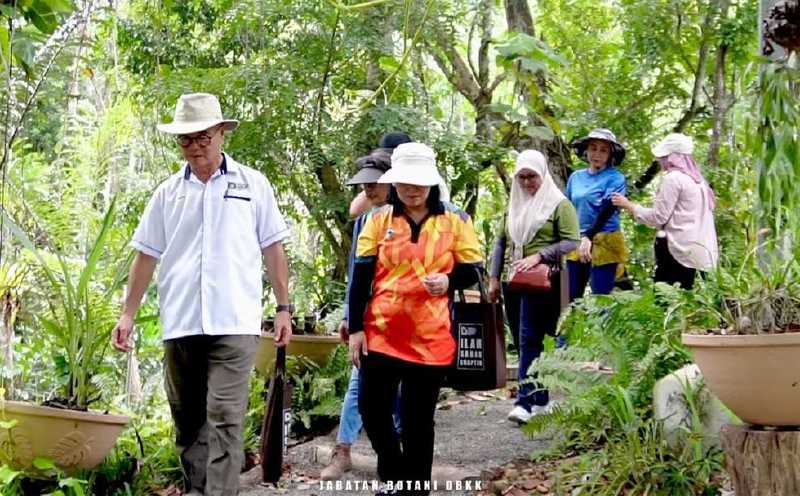
Kota Kinabalu City Hall is investigating the possibility of transforming the city's parks and green spaces into carbon sinks, generating revenue while aligning with Sabah's climate objectives. The director-general, Datuk Lifred Wong, highlighted the global carbon market's valuation at nearly US$1 trillion, emphasizing Sabah's potential to capitalize on this resource.
With urban green spaces like the Sabah Botanical Garden, Perdana Park, and Prince Philip Park, Kota Kinabalu could strategically leverage these areas for carbon revenue, turning recreational parks into valuable, income-generating carbon sinks. Wong also expressed support for the state government's plan to establish 400,000 hectares of Industrial Tree Plantation across Sabah, which could sequester carbon, create employment, and foster technological innovation.
The Kuamut Rainforest Conservation Project, cited as a benchmark, showcased how forest conservation could generate sustainable economic returns, proving that conservation and economic growth are compatible. The Sabah Climate Change and Carbon Governance Enactment 2025, a crucial milestone, establishes the state's carbon governance framework, including the regulation of carbon-related initiatives, trading platforms, and operational activities.
This framework will ensure ecosystem protection, equitable benefit-sharing, and align urban development with ESG standards.
Written by urgent.news from New Straits Times's reporting — not their text. Machine-written — may contain errors; check the original before relying on it.