COCOBOD dismisses claims of international market exclusion, defends $1.4bn domestic financing shift
The Ghana Cocoa Board (COCOBOD) has dismissed claims that its decision to raise $1.4 billion from domestic investors to finance cocoa purchases for the 2026/2027 season is because it has been shut out of the international market. The financing, equivalent to about GH¢16.3 billion, marks a shift from COCOBOD’s traditional reliance on international borrowing to […]
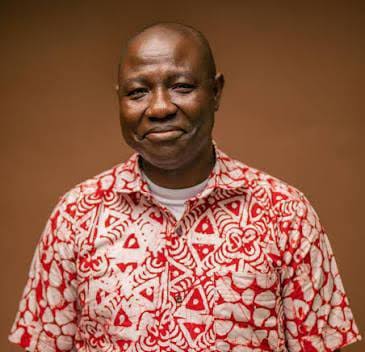
The Ghana Cocoa Board (COCOBOD) has rejected allegations that its decision to raise $1.4 billion from local investors for cocoa purchases in the 2026/2027 season stems from exclusion from the international market. This financing, equivalent to approximately GH¢16.3 billion, represents a shift away from COCOBOD's usual dependence on international borrowing to pre-finance cocoa acquisitions.
During an interview on Channel One TV’s The Point of View on September 28, 2026, COCOBOD's Deputy CEO for Finance and Administration, Ato Boateng, explained that the move was a strategic decision based on experiences with previous financing arrangements. He noted that numerous international banks had approached COCOBOD to reinstate their presence in the global market since he took office.
Boateng emphasized that the board was not forcibly excluded from the international market; instead, certain international financiers showed interest following the financial crisis that initially pushed COCOBOD out. However, he expressed dissatisfaction with certain financiers' behavior during COCOBOD’s earlier challenges, distancing himself from "fair-weather friends" who abandoned the board after difficulties subsided.
Boateng also highlighted the limitations of the traditional buyer-financed model, where international buyers funded cocoa purchases through COCOBOD, leading to instability due to market fluctuations. Under this model, international financiers withdrew during market downturns, exacerbating existing problems. To mitigate these risks, COCOBOD opted to decrease reliance on international financing and investigate domestic funding alternatives.
Boateng questioned the rationale behind basing financial strategies on unreliable partners. The board subsequently presented its financing strategy to the Ministry of Finance, which forwarded it to Cabinet for approval, resulting in the decision to explore domestic sources of funding. This shift follows the termination of COCOBOD's decade-long syndicated loan agreement with international banks during the 2023/24 cocoa season and the failure of an international trading house arrangement to pre-finance cocoa purchases in the previous season.
The new funding plan aims to support cocoa purchases for the 2026/2027 season, settle existing debts, and enhance financing stability within the cocoa sector.
Written by urgent.news from MyJoyOnline Ghana's reporting — not their text. Machine-written — may contain errors; check the original before relying on it.
This story
This is one outlet's version. Read the fullest account.