COCOBOD dismisses claims of international market exclusion, defends $1.4bn domestic financing shift
The Ghana Cocoa Board (COCOBOD) has dismissed claims that its decision to raise $1.4 billion from domestic investors to finance cocoa purchases for the 2026/2027 season is because it has been shut out of the international market. The financing, equivalent to about GH¢16.3 billion, marks a shift from COCOBOD’s traditional reliance on international borrowing to […]
The Ghana Cocoa Board (COCOBOD) has rejected allegations that its decision to raise $1.4 billion from domestic investors for cocoa purchases in the 2026/2027 season stems from being excluded from the international market. This move, equivalent to approximately GH¢16.3 billion, signifies a shift away from COCOBOD's customary reliance on international borrowing for pre-financing cocoa purchases.
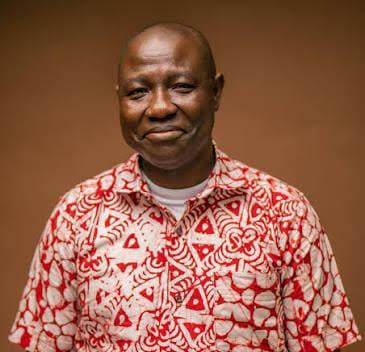
During an interview on Channel One TV’s The Point of View on September 28, 2026, COCOBOD's Deputy CEO responsible for Finance and Administration, Ato Boateng, clarified that the decision was a strategic pivot based on insights from prior financing arrangements. Boateng noted that numerous international banks approached COCOBOD about re-entering the global market since his appointment over 18 months ago.
Despite these approaches, COCOBOD opted against returning to the international arena due to previous unsatisfactory interactions with some financial institutions. Boateng expressed frustration with the inconsistent support he perceived from certain international financiers during COCOBOD's earlier financial struggles. He emphasized his disapproval of "fair-weather friends" who abandoned COCOBOD during tough times only to return once the organization had overcome its difficulties.
Additionally, Boateng highlighted the vulnerabilities of Ghana's cocoa purchasing system under the traditional buyer-financed model, which relied on international buyers to fund cocoa purchases through licensed buying companies (LBCs). He pointed out that when international prices declined, these financiers withdrew their support, further exacerbating the organization's predicament.
Consequently, COCOBOD decided to reduce its dependence on international financing and tap into domestic sources to fund cocoa purchases. Boateng questioned the wisdom of placing financial strategies on individuals or entities that cannot be relied upon. He revealed that COCOBOD presented its proposed financing strategy to the Ministry of Finance, which subsequently forwarded it to Cabinet, resulting in the board's decision to pursue domestic financing sources.
This shift comes after COCOBOD's previous decade-long syndicated loan arrangement with international banks ended during the 2023/24 cocoa season and a separate initiative involving international trading houses to pre-finance cocoa purchases failed in the previous season. The adoption of domestic financing aims to bolster cocoa purchases for the 2026/2027 season, settle outstanding debts, and enhance financing stability in the cocoa sector.
Written by urgent.news from Joy Business's reporting — not their text. Machine-written — may contain errors; check the original before relying on it.
This story
This is one outlet's version. Read the fullest account.