ASML says AI's effect on chipmaking will unfold over the next 10 to 15 years, not overnight
One planned upgrade is a larger mirror aperture in ASML's extreme ultraviolet lithography systems. Larger apertures would let the tools focus EUV light more precisely, supporting finer patterning and future leading-edge manufacturing processes. Read Entire Article
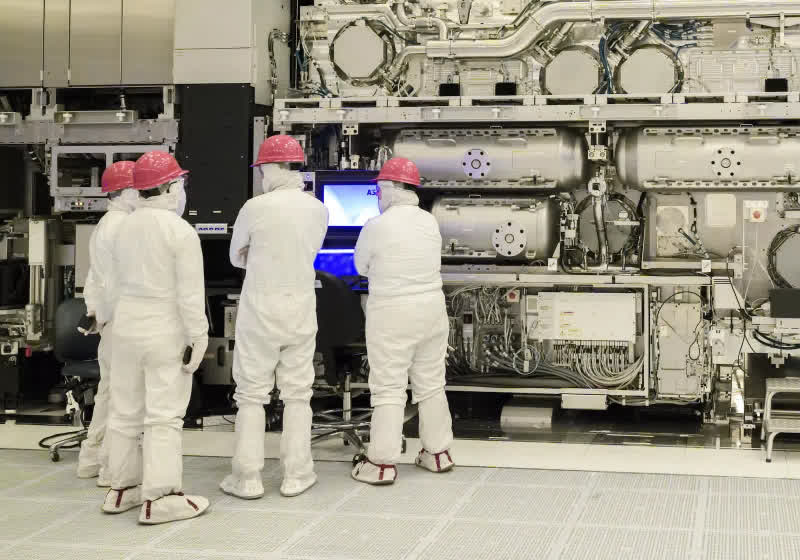
ASML, the sole manufacturer of EUV lithography machines, says AI's impact on chipmaking will gradually unfold over 10 to 15 years, rather than overnight. CEO Christophe Fouquet expects AI to require more computing power and faster memory access, which will drive demand for advanced semiconductor manufacturing. This includes better optics, vertical chip designs, and a complex supplier network that cannot be quickly scaled up.
ASML's roadmap suggests how far AI hardware can advance, given the limitations of its specialized supply chain. The company cannot simply increase capacity by expanding assembly plants; it needs access to highly specialized components and production expertise. ASML's EUV systems, which cost up to $400 million and are composed of over 100,000 parts, generate the most advanced chips.
It relies on about 200 main suppliers and 2,000 companies in the broader supply chain. ASML's position makes its technology a target of export restrictions, preventing its sale to China. The company owns an 11% stake in French AI company Mistral, connecting it to Europe's AI software market. For the chip market, ASML's future developments in EUV optics and vertical chip designs are crucial, as they will intensify the need for advanced manufacturing equipment and a capable supply chain.
Written by urgent.news from TechSpot's reporting — not their text. Machine-written — may contain errors; check the original before relying on it.