UN's next secretary general must rejuvenate this global forum
Today is the final day of the UN General Assembly’s high-level debate, and diplomats will soon begin leaving New York after another week of speeches, meetings and championing competing visions of the international order. However, this UNGA is significant for another reason – it marks the changing of the guard at an institution that faces some sharp questions about its continued relevance. This…
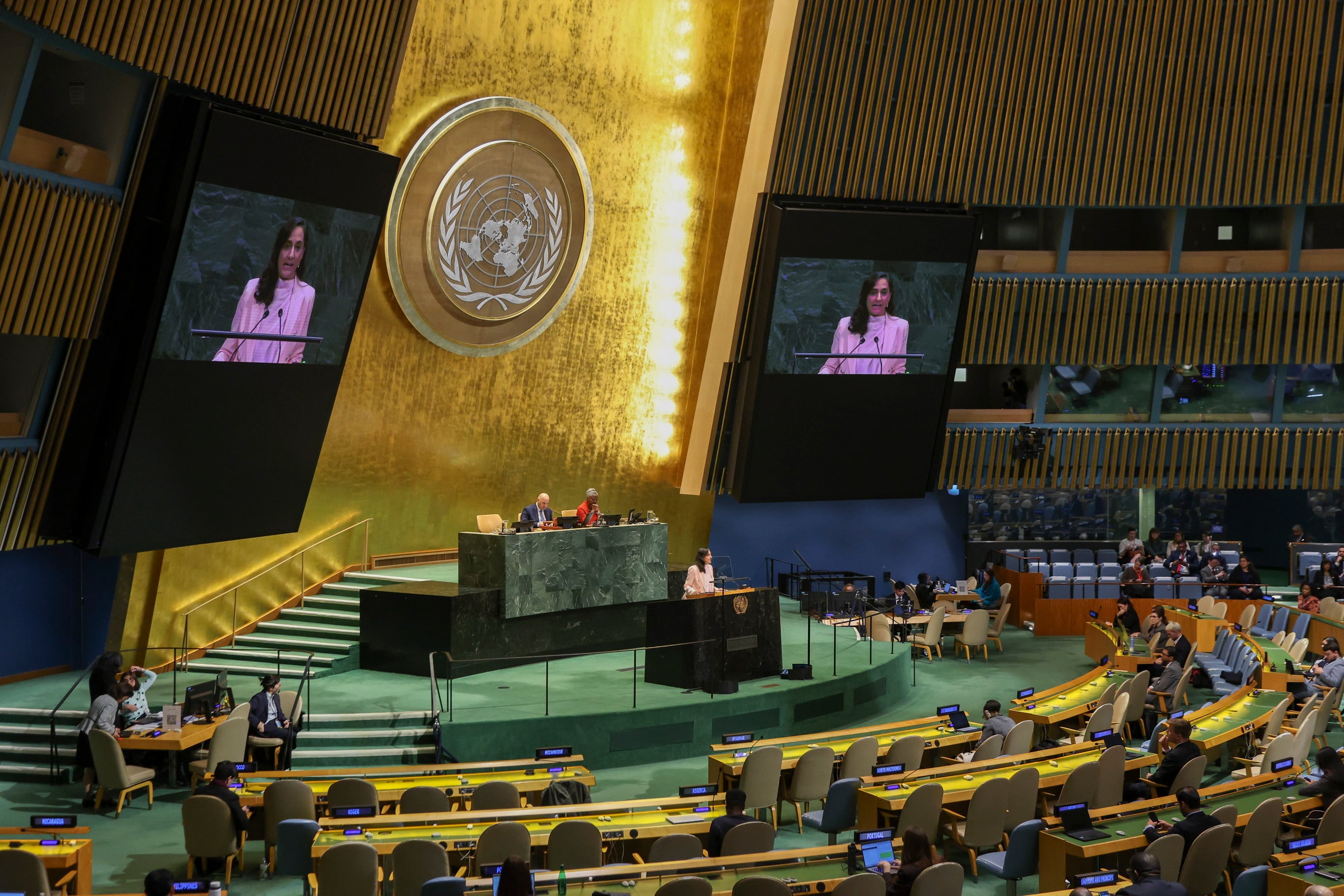
The final day of the United Nations General Assembly's high-level debate has witnessed diplomats from around the globe convening in New York, having spent a week engaging in discussions and advocating for various perspectives on the international stage. The significance of this particular UNGA lies in the fact that it marks the transition of leadership at an institution that faces questions about its ongoing relevance.
This will be the last UNGA under the guidance of UN Secretary General Antonio Guterres, whose term will conclude at the end of December. His successor will inherit a world vastly different from the one when Guterres first assumed his role in 2017, with the global order confronted by factors such as conflicts, geopolitical tensions, rapid technological advancements, and divergent interests among major powers.
The UN operates in a rapidly changing world, one that has seemingly outpaced the structures designed to manage it. Consequently, the pivotal question facing the next secretary general is how to rejuvenate an institution for the 2027 and beyond. Early indications suggest that this process has already commenced. Initiated by Guterres in March of last year, the UN80 Initiative scrutinizes the workings of the organization, including efforts to minimize redundancies and enhance efficiency.
Additionally, the General Assembly recently adopted measures to streamline the creation, implementation, and review of UN mandates. While these reforms are valuable, the UN's capabilities and limitations must be considered realistically. It is not a world government and cannot resolve every conflict or compel compliance without the backing of the UN Security Council. To demand such unrealistic expectations would set the organization up for perpetual failure.
Achieving UN renewal, however, is not an insurmountable task. With a spirit of cooperation and leveraging the UN's collective power and the influential position of its secretary general, the organization can be more effective and reinvigorated to meet the challenges of the evolving international system. As the Security Council establishes peacekeeping missions, issues legally binding resolutions, and employs non-military solutions such as economic sanctions, the UN agencies champion critical issues like nuclear safety, human rights, refugees, and humanitarian aid.
With its authority and moral standing, the UN bears the responsibility to live up to the lofty ambitions of its founding principles. Thus, the next secretary general plays a vital role in guiding the UN towards greater effectiveness and relevance in the world of 2027 and beyond. This is a formidable challenge, but with the right mindset and collaboration, UN renewal is attainable.
Written by urgent.news from The National Business's reporting — not their text. Machine-written — may contain errors; check the original before relying on it.
This story
This is one outlet's version. Read the fullest account.
- UN's next secretary general must rejuvenate this global forum thenationalnews.com