Krieg gegen die Ukraine: Drohnenalarm in Kiew – Leben zwischen Angst und Alltag
Sirenen, Explosionen, Zerstörung: Wie hat sich der Alltag in Kiew zuletzt verändert? Trotz ständiger Gefahr bleibt das Leben nicht stehen. Die Hauptstadt bangt aber vor einem harten Winter.
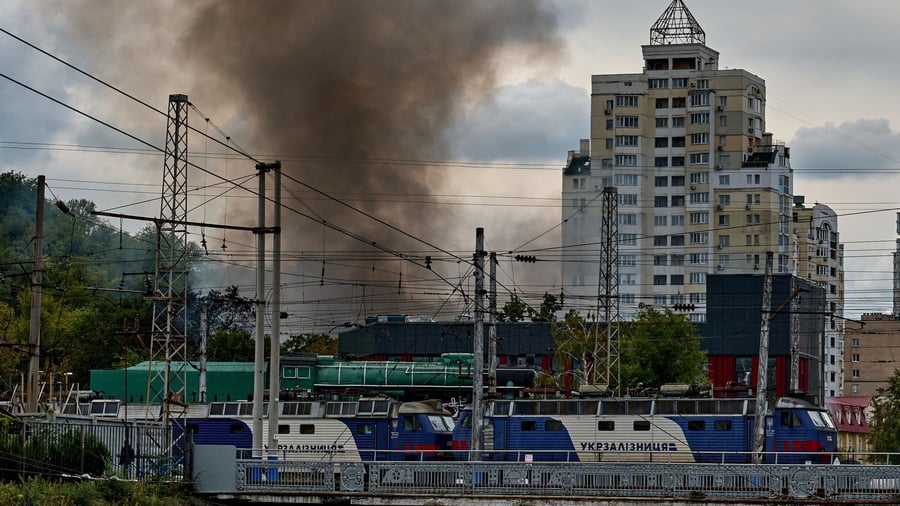
Sirens wail and air alerts blare in Kyiv, prompting Ukrainians to check their phones for yellow or red warnings. Yellow indicates single drones in the air, while red warns of ballistic missiles or drone swarms originating from Russia. Even at yellow level, the millions-strong city continues its daily life – businesses do not close, but underground stations become shelters, schools suspend classes, and children either take refuge in bunkers or sit in metro stations.
Since September, a red light has illuminated the city, preventing it from coming to a complete standstill even when alarms accumulate.
Kyiv has been frequently bombarded since the invasion began in 2022, but has been better protected than Kharkiv or Odessa. However, fears have intensified since the summer. Mayor Vitali Klitschko notes that the enemy has intensified its attacks. One of the primary concerns is the rise of fast new drones equipped with jet engines that the Ukrainian air defense has yet to develop countermeasures for. Additionally, drones are now flying almost continuously throughout the day, rather than just at night.
The past Friday saw ten alarms, totaling nearly nine hours, with several impacts and fires, leaving seven dead and 59 injured. On Sunday, more than 18 hours of alarms echoed through the city, resulting in three deaths and a dozen injuries. A Ukrainian army officer describes Kiew as not a war zone, but terror and murder of the civilian population.
Russian attacks have increasingly targeted daily life infrastructure, such as grocery stores, food and cold storage warehouses, drug factories, and data centers for telecommunication and internet. Bookstores have been destroyed, while some businesses have narrowly escaped destruction.
A tank driver expresses his nervousness as he waits to fuel his customers, many of whom no longer have a moment to spare. Citizens are keenly aware of the Russian strategy, which aims to instill fear and compel them to comply with their demands. A recent attack on a book fair in Petriwka destroyed thousands of books, considered an attack on Ukrainian culture despite the presence of Russian books.
Despite facing numerous challenges, including food, water, and medical supply shortages, Kyiv's residents remain hopeful and resilient, aware that they have faced hardships before and can adapt to new challenges.
Written by urgent.news from Handelsblatt's reporting — not their text. Machine-written — may contain errors; check the original before relying on it.