Space Lasers Are About to Get Their First Real Test Generating Energy
Startup Star Catcher is launching a system that, if successful, would be the first time energy has been beamed between two separate spacecraft.
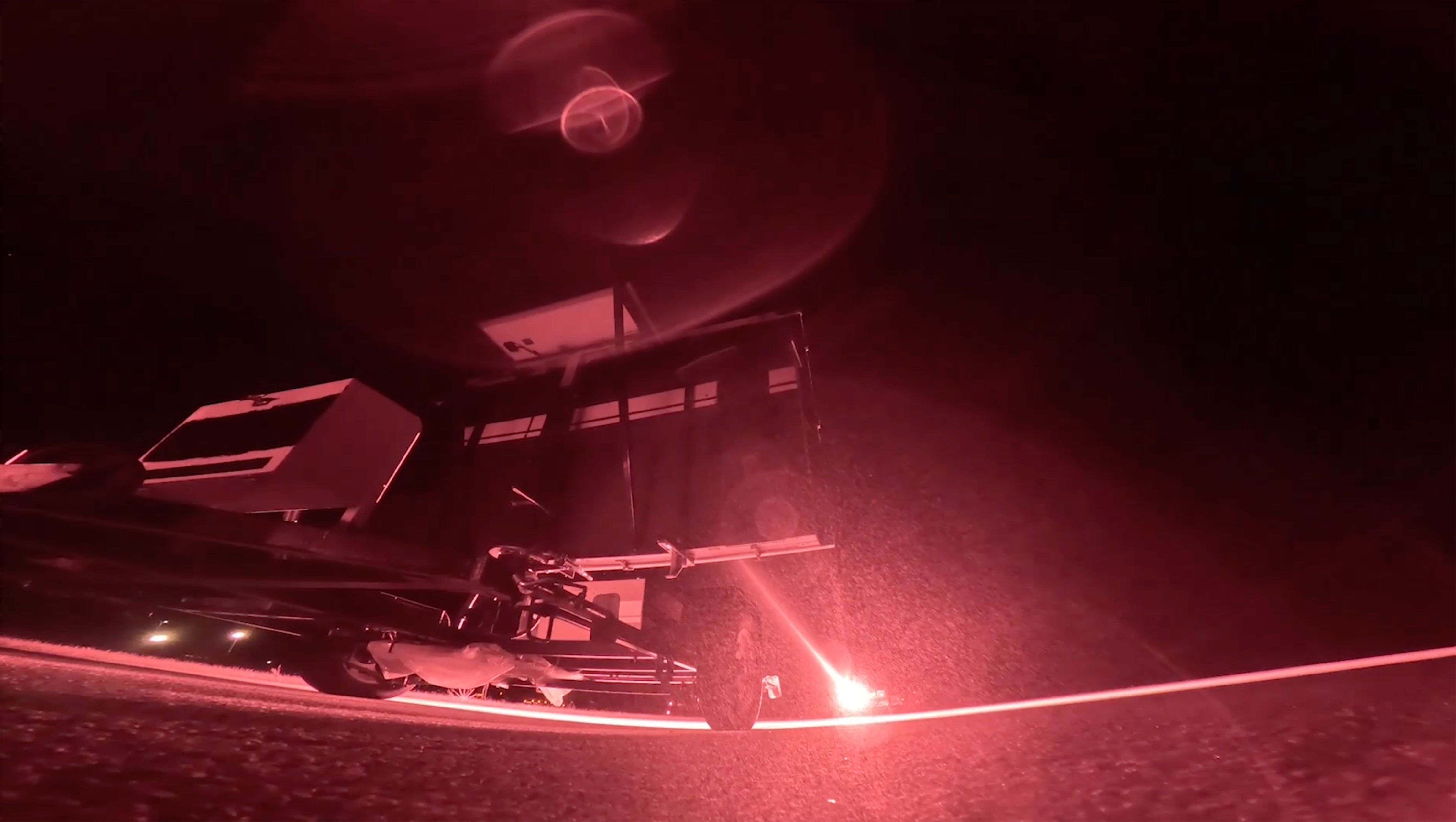
Star Catcher, a Florida-based startup, is preparing to make history with the first real test of space-based laser energy transmission. Their prototype system, set to launch on a SpaceX rocket, will transmit energy to another satellite in orbit—a feat never achieved before between two untethered objects in space.
The concept of generating solar power in space isn't new; it surfaced in a 1941 sci-fi story by Isaac Asimov and was studied by NASA in the 1970s. Hanieh Fattahi, a researcher at the Max Planck Institute for the Science of Light, explains that while launching hardware into orbit used to be prohibitively expensive, falling launch costs now make orbital industries feasible.
Star Catcher’s solution involves an array of "power nodes" that act as both solar power plants and power lines. These satellites collect sunlight using lenses and convert it into more powerful wavelengths of light. They then emit laser beams that can direct energy to waiting satellites in space, promising higher uptime and increased profitability for satellite operators.
The company has secured significant interest, having raised $65 million in funding, won a $30 million award from the US Space Force, and signed 40 letters of intent and 10 power purchase agreements from prospective buyers. Google’s space-based data center, launching on the same SpaceX mission, is also part of this demonstration.
Star Catcher’s system will be tested in orbit with a cubesat that will receive energy from the main satellite. While the company has successfully tested tracking technology and set a record for ground-based power beaming, there’s still work to be done to power telecommunications satellites and space-based data centers. However, CEO Andrew Rush remains confident in Star Catcher’s progress, comparing it to the company’s "crawl" phase on its way to walking and running.
The company is still in the early stages but believes it is well on its way to transforming the space sector, much like reusable launch vehicles have done.
Written by urgent.news from Wired's reporting — not their text. Machine-written — may contain errors; check the original before relying on it.
This story
This is one outlet's version. Read the fullest account.