Space Lasers Are About to Get Their First Real Test Generating Energy
Startup Star Catcher is launching a system that, if successful, would be the first time energy has been beamed between two separate spacecraft.
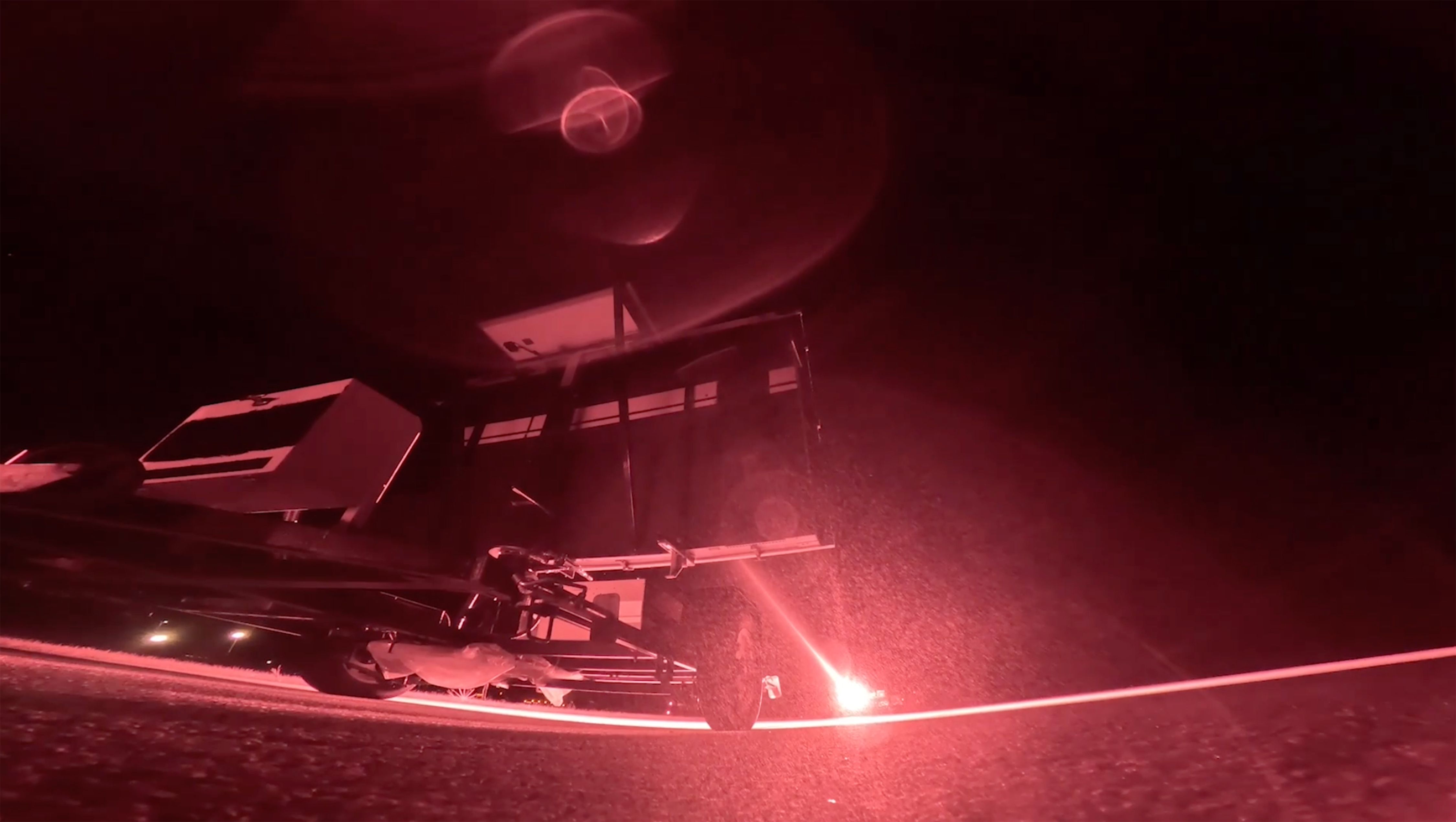
Star Catcher, a Florida-based startup, is set to demonstrate the first real-world test of space lasers generating energy. The company plans to launch its prototype system aboard a SpaceX rocket this week, beaming power to another satellite in orbit. If successful, it would be the first time lasers have transmitted energy between two untethered objects in space.
However, the concept of generating solar power in space has been around for decades, first appearing in a 1941 Isaac Asimov sci-fi story and studied by NASA in the 1970s.
While launching hardware into orbit has historically been costly, falling launch costs are making space-based industries more feasible. Star Catcher's solution is an array of power nodes that serve as both a solar power plant and power line. The company's satellites gather sunlight using lenses and refine it into wavelengths of light that can provide 10 times more power than diffuse sunlight.
Lasers then emit an ethereal transmission cable that can be directed at satellites in need of power, promising more uptime and profit for satellite operators.
The company has garnered significant interest, securing a $65 million funding round and a $30 million award from the US Space Force. It has also signed 40 letters of intent from potential buyers and 10 power purchase agreements, long-term contracts. Another sign of optimism is Google's space-based data center launching on the same SpaceX mission.
Star Catcher's satellite, Protostar, is a small-scale version of the satellites the company aims to deploy, which Rush says will provide commercial power provisioning services in orbit before the end of the decade.
Star Catcher has conducted a space-based test of its technology, tracking satellites it beams energy to and setting a record for beaming power on the ground, delivering over 1 kilowatt of power to off-the-shelf solar panels. While there is still work to be done to power telecommunications satellites and space-based data centers, the proof-of-concept on the ground gives Rush confidence in the company's readiness for orbital operations.
Although Star Catcher is still in the "crawl" phase, the company is moving towards walking and running, potentially transforming the space sector by making reusable launch vehicles more economical.
Written by urgent.news from Wired Science's reporting — not their text. Machine-written — may contain errors; check the original before relying on it.