Science can guide wildlife-friendly road planning in Sabah
KOTA KINABALU: Scientific data on elephant movements along the Pan Borneo Highway has provided practical lessons on how road projects in Sabah can better account for wildlife.
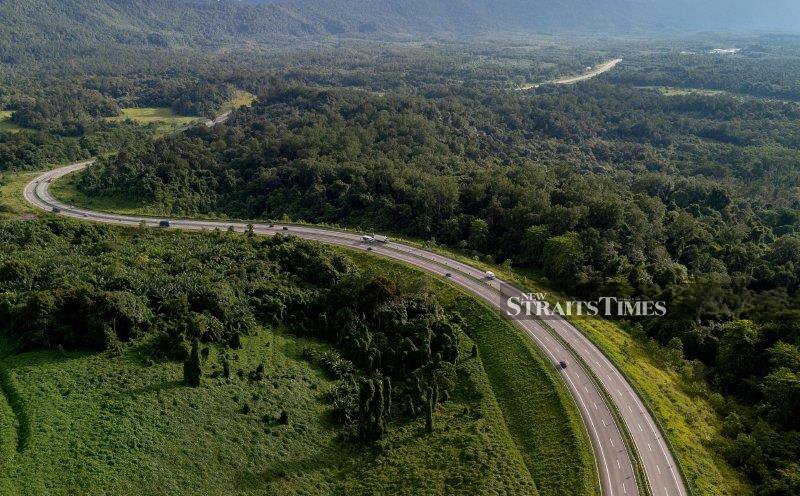
Scientific data on elephant movements along the Pan Borneo Highway in Sabah has provided valuable insights into how road projects can better accommodate wildlife, according to Dr Nurzhafarina Othman, a senior lecturer at Universiti Malaysia Sabah. A project studying elephant movement and habitat use prior to and during highway construction in Tawai Forest Reserve revealed areas where wildlife activity intersected with the highway alignment.
The monitoring project, conducted by Seratu Aatai and Danau Girang Field Centre with support from Yayasan Hasanah and the Finance Ministry, identified three elephants, including one male and two females, whose movement patterns shifted during the early stages of construction. The study also pinpointed several regions of high elephant activity that overlapped with the highway, emphasizing the importance of early integration of scientific evidence into road infrastructure planning.
This information has already prompted recommendations for guardrails in specific locations to avoid hindering elephant movement, particularly that of calves. Dr Nurzhafarina stressed that incorporating such findings during the planning phase is crucial to ensure wildlife-friendly road designs. She highlighted that the issue extends beyond singular road projects, reflecting Sabah's broader commitment to sustainable development.
Professor Benoit Goossens, from Cardiff University and director of Danau Girang Field Centre, noted that while efforts to safeguard Tawai Forest Reserve from highway development were unsuccessful, the lessons learned can still be applied to other road projects. He expressed optimism that there is still time to engage with planners, contractors, and their consultants regarding the Kalabakan - Maliau stretch of Phase 3 to find a balance between nature conservation and development needs.
Written by urgent.news from New Straits Times's reporting — not their text. Machine-written — may contain errors; check the original before relying on it.