Leistungsfähigkeit: Warum Firmen ihre Mitarbeiter ausschlafen lassen sollten
Die innere Uhr wirkt sich maßgeblich auf die Produktivität aus. Trotzdem arbeiten viele gegen ihren eigenen Rhythmus. Wie lässt sich das verhindern?
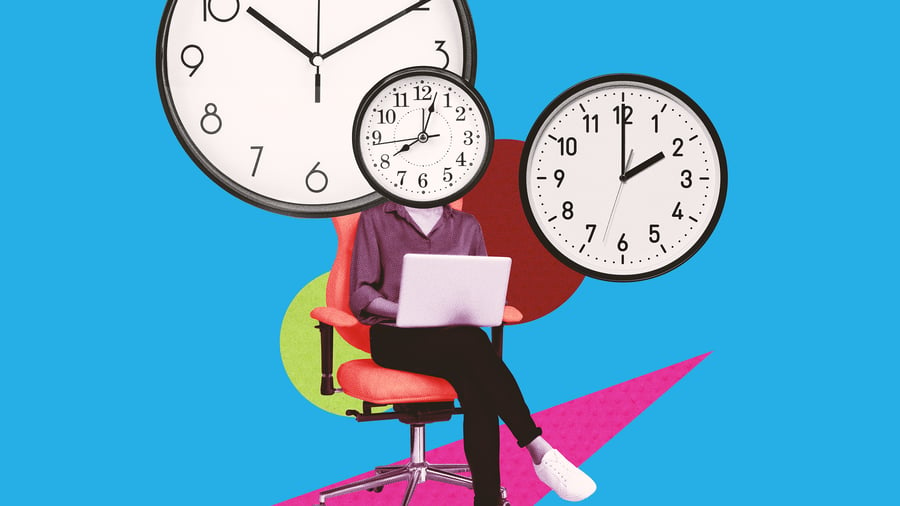
German work culture often expects employees to be early risers, working between 9 and 17 hours a day. This schedule frequently clashes with the body's natural biological rhythms, created by the "inner clock" or circadian rhythm. This internal clock, governed by the brain's hypothalamus, syncs the body's 24-hour cycle to the day-night light cycle.
The inner clock dictates sleep-wake patterns, mood, metabolism, and overall performance. Ignoring this natural cycle, however, has detrimental effects on health and productivity. While the "early riser bias" prevails in many workplaces, studies show that people who work against their inner clock experience poorer sleep, lower performance, and increased risks of obesity, diabetes, heart disease, mental health issues, and reduced creativity.
Companies that don't adapt work schedules to employees' chronotypes risk losing valuable resources and innovation potential. To improve working conditions, companies should identify chronotypes, encourage employees to learn their own type, and create optimal work windows that align with the inner clock.
Written by urgent.news from Handelsblatt's reporting — not their text. Machine-written — may contain errors; check the original before relying on it.
This story
This is one outlet's version. Read the fullest account.
- Performance: Why companies should let their employees sleep in handelsblatt.com