US, China release list of imported goods worth $30 billion that could see tariff reductions: Check here
The US and China have released lists covering around $30 billion worth of goods that could see tariff reductions. The lists include thousands of products, while the two sides have not yet specified the extent of the planned tariff cuts.
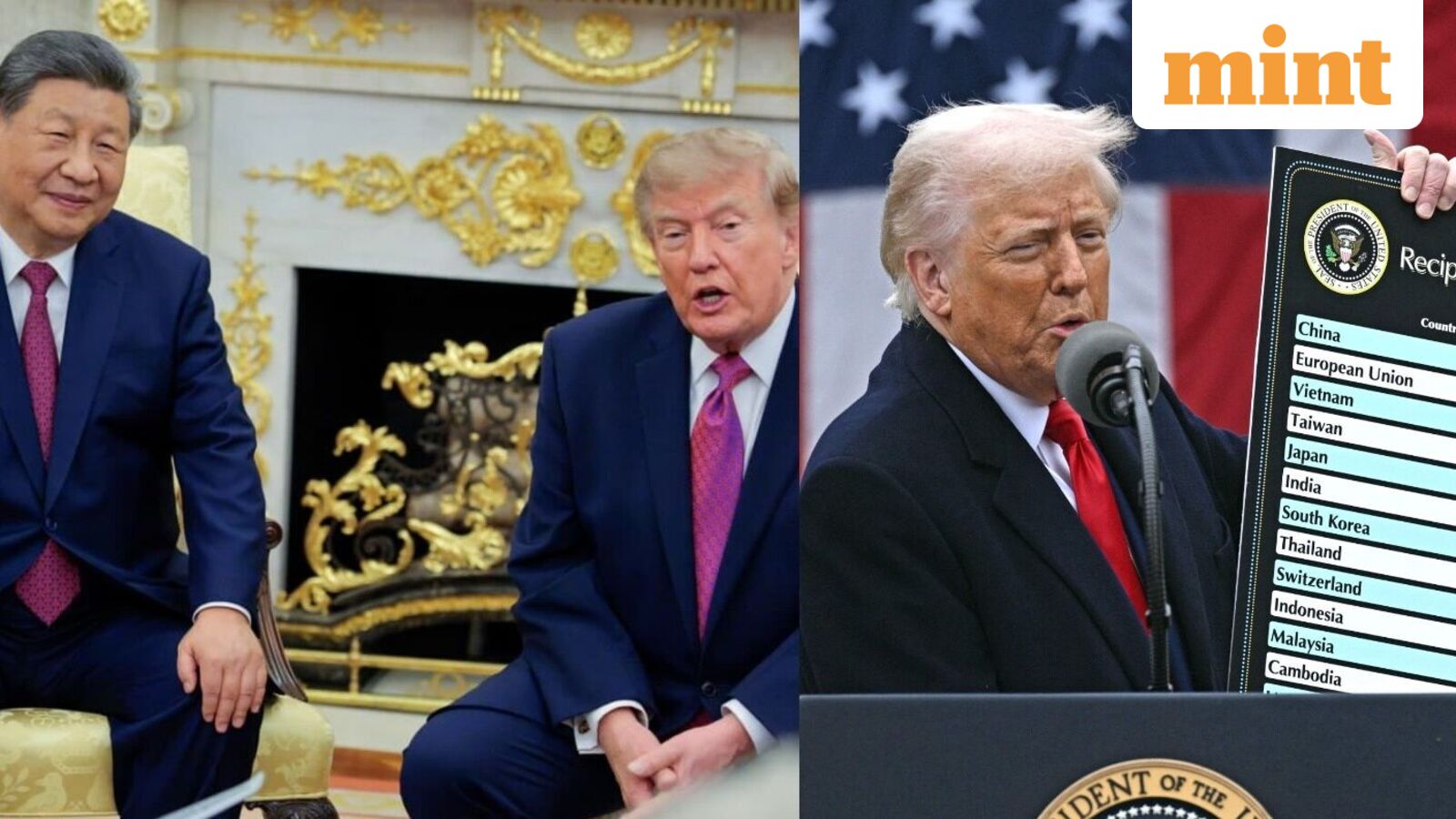
Shanghai stocks witnessed a decline as the anticipated relief from the US-China summit meeting seemed to dwindle. Blue-chip index shares fell over 2%, reaching a one-year low, prompting investors to scrutinize economic disparities and emerging geopolitical risks. Technology stocks particularly suffered after the US unveiled plans to limit the use of Chinese-made components in AI data centers, dampening an already fragile risk appetite ahead of a week-long national holiday beginning October 1.
The CSI300 Index tumbled 2.2% by midday, setting a five-week low and touching its earliest September 2025 level. The Shanghai Composite Index also dropped 1.7%. Conversely, Hong Kong stocks climbed 0.6% as the market remained operational throughout China’s Golden Week holiday. Chinese officials announced a two-month extension of a trade truce with the US to allow both nations to assess the execution of their agreement to address economic and trade matters.
However, OCBC Bank noted that despite the summit’s appearance, "the US and China remain divided across technology, security, trade, and the broader international governance structure." US lawmakers introduced legislation on Friday that would prohibit federal agencies from utilizing Chinese-made components for AI data center data transmission, negatively impacting Chinese optical transceiver companies like Eoptolink Technology and Innolight Technology.
Eoptolink shares plummeted 7% in Shenzhen, while Innolight shares tumbled roughly 9% in both Shenzhen and Hong Kong. China's CSI 300 Telecommunication Services Index plummeted more than 6% to a two-month low. This sentiment was further dampened by data showing a slowdown in China's industrial profit growth in August, highlighting the worsening economic imbalances.
Thin trading volumes signified that investors were becoming more risk-averse as they prepared for China’s week-long National Day holiday, with additional uncertainty arising from upcoming US inflation, jobs, and GDP data releases, and ongoing tensions in the Middle East. Xiangcai Securities warned in a note that a "risk aversion mood is permeating ahead of the long holiday, and trading will likely be thin" during the shortened trading week.
Technology shares led the decline, with China’s tech-focused STAR Market, ChiNext, and the small-cap CSI3000 Index each falling around 4%.
Written by urgent.news from Business Recorder's reporting — not their text. Machine-written — may contain errors; check the original before relying on it.
This story
This is one outlet's version. Read the fullest account.