Indonesia passes agrarian reform law amid concerns over land protections
JAKARTA — Indonesia’s parliament has passed a law intended to resolve long-running land conflicts and curb land concentration, but civil society groups say provisions in the final draft could limit redistribution, leave state-controlled land difficult to challenge and expose some land occupants to criminal charges. The House of Representatives, known as the DPR, approved the […]
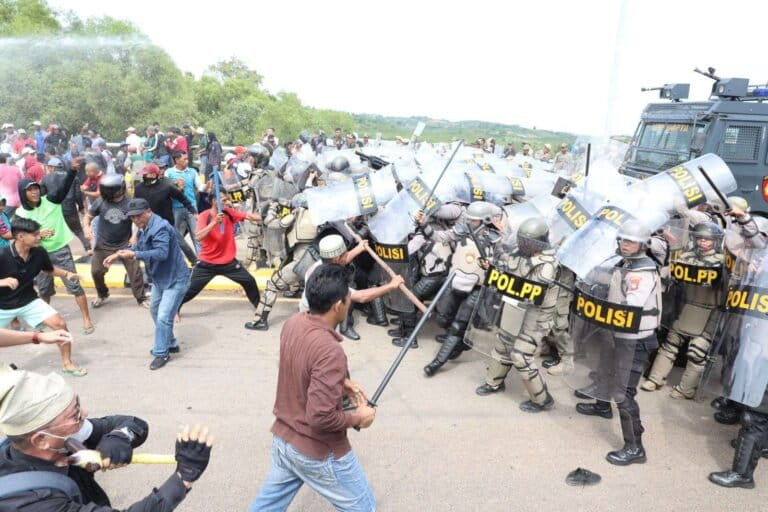
Jakarta — Indonesia's parliament has recently passed the Agrarian Reform Regulation Law, aiming to address long-standing land conflicts and reduce land concentration. However, civil society groups express concerns that the final draft may limit redistribution, hinder the ability to challenge state-controlled land, and potentially expose some land occupants to criminal charges.
On September 22, the House of Representatives (DPR) approved the bill after lawmakers and the government reached a consensus. The law establishes a framework for resolving structural land ownership disputes, restoring rights, and redistributing land.
Despite the law's intended purpose, advocates and experts have raised doubts about its practical implementation. The Agrarian Reform Consortium (KPA), a civil society organization, documented 3,234 agrarian conflicts across 7.4 million hectares (18.3 million acres) and affecting 1.8 million households between 2015 and 2024. KPA and other advocates argue that many conflicts stem from overlapping government authority, land allocations, and competing claims among communities, companies, and state institutions.
Indigenous communities, farmers, and fisherfolk may be particularly affected when their customary or livelihood areas intersect with concessions, state-designated land, or infrastructure projects. The new law seeks to tackle fragmented authority and regulations that have complicated conflict resolution efforts. Lawmakers assert that the bill's provisions encompass land-use planning, conflict resolution mechanisms, and processes for land restoration.
Written by urgent.news from Mongabay's reporting — not their text. Machine-written — may contain errors; check the original before relying on it.