Give India’s poor cash. But don’t stop there
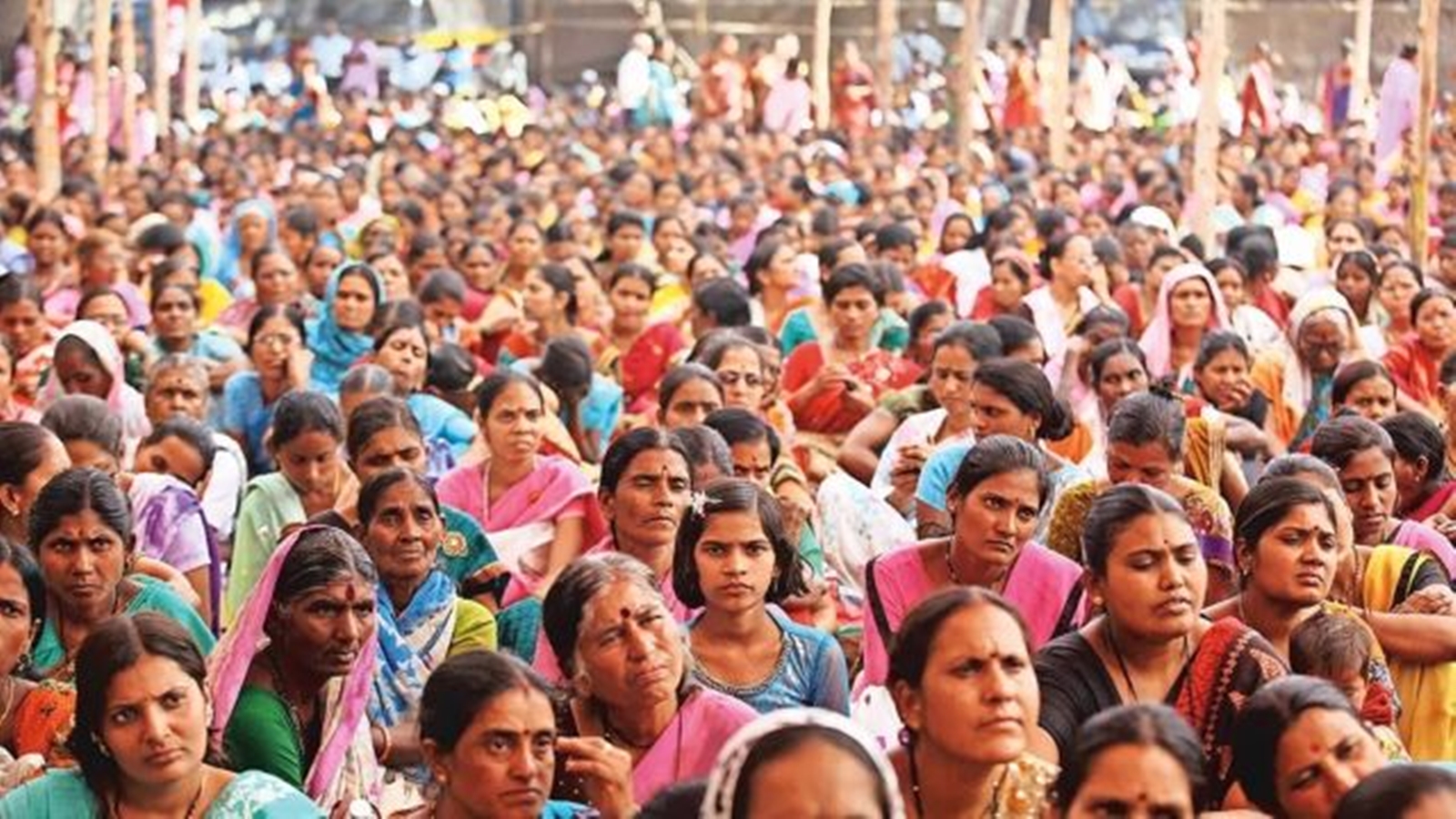
Cash transfers have emerged as a prominent solution to poverty in India, with 17 of the country's 28 states and Delhi now sending monthly funds directly into the bank accounts of impoverished individuals, particularly women. Studies conducted worldwide, including those in Asia, Africa, and Latin America, have demonstrated the effectiveness of giving money directly to those in need.
However, India's limited fiscal capacity necessitates a strategic approach to cash transfer programs, ensuring they act as both a safety net and a catalyst for long-term productivity and dignified living.
Direct transfers empower households to decide the best use of their funds, without inducing laziness or leading to increased consumption of alcohol or cigarettes. Extensive research across 32 countries reveals that unrestricted cash support enhances food security, income, savings, spending, and mental well-being. Nonetheless, poverty's multifaceted nature suggests that a one-size-fits-all approach may not be optimal.
To foster sustainable development, cash grants should be complemented by programs that build sustainable livelihoods, enabling individuals to become active contributors to India's growth.
The Government of India is addressing this challenge by integrating capital access with skill-building, particularly for the most vulnerable. The Samaveshi Aajevika Yojana, launched by the Ministry of Rural Development under the Deendayal Antyodaya Yojana–National Rural Livelihoods Mission (DAY-NRLM), draws inspiration from Bihar's Satat Jeevikoparjan Yojana (SJY).
These initiatives are modeled after the Graduation Approach, pioneered by NGO BRAC, which combines direct transfers with comprehensive livelihood support for up to two years. This includes assets like livestock or small trading items, training to operate the enterprise, and mentorship to manage personal finances and healthcare.
The Graduation Approach, grounded in the belief that the poorest need a "big push" to escape poverty permanently, has outperformed unconditional cash transfers in Uganda, as demonstrated by Innovations for Poverty Action researchers. This underscores the importance of tailoring cash transfer programs to address specific needs and constraints, necessitating thorough evaluation and research to determine the most effective strategies.
Furthermore, the timing, frequency, and conditions surrounding cash transfers are critical factors in their efficacy, as highlighted in the recently published Handbook of Social Protection.
Research indicates that cash transfers yield greater improvements in human capital when disbursed in early life rather than later. The Graduation Approach's global success suggests that substantial one-time transfers can significantly impact people's lives, while monthly payments ensure families meet daily needs. In Bihar, women participating in the program transformed themselves into entrepreneurs, establishing modest businesses such as grocery shops, which provided them with a pathway to financial stability, dignity, and self-assurance.
Many managed their business decisions independently and reported increased comfort in engaging with their community.
India, with over 20 crore people still living in multidimensional poverty, has a moral and ethical imperative to implement cash transfer programs. Digital public infrastructure has made direct cash deposits feasible and efficient, but Bihar's experience underscores that even the poorest can become active contributors to India's economic growth.
Indian policymakers must innovate in designing cash transfer programs to generate long-term economic benefits, viewing social welfare initiatives as trampolines that not only protect individuals from poverty but also empower them to thrive.
Written by urgent.news from The Indian Express's reporting — not their text. Machine-written — may contain errors; check the original before relying on it.