Ethan R. Siegel
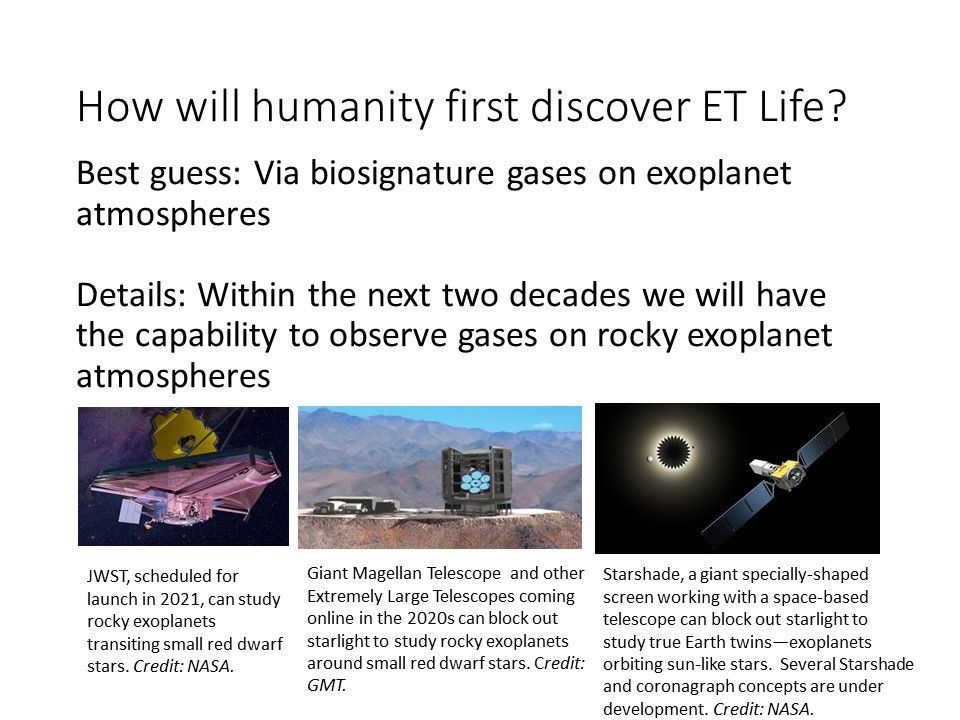
Astrophysicist: Ph D.: University of FloridaBlog: Starts with a Bang: Forbes, ScienceblogsAuthor: Beyond the Galaxy (WSPC: 2015)Author: Treknology: The Science of Star Trek from Tricorders to Warp Drive (Voyaguer Press: 2017) How will humanity first discover ET Life?Best guess: biosignatures (distant exoplanets)Here in our own Galaxy, we literally have tens of billions of Earth-like planets […]…
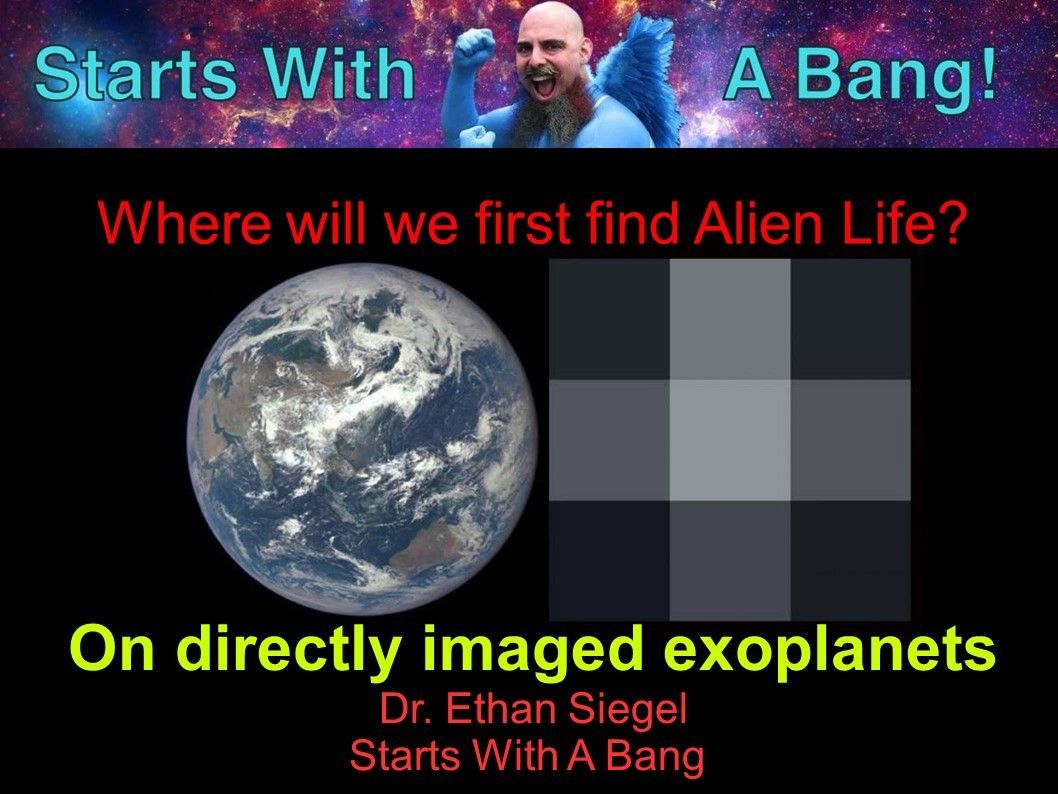
Today's Astronomy Picture of the Day, published by NASA Science, highlights the work of astrophysicist Ethan R. Siegel. Siegel holds a Ph.D. from the University of Florida and is also a contributor to Forbes and Scienceblogs. He has authored two books - "Beyond the Galaxy" and "Treknology: The Science of Star Trek from Tricorders to Warp Drive".
In answering the question of how humanity might first detect extraterrestrial life, Siegel believes the best chance lies in identifying biosignatures. These would be observable signs of life on distant exoplanets orbiting other stars. Siegel points out that our galaxy alone is home to tens of billions of Earth-like planets. These worlds share key characteristics with our own - similar size, ideal distance from their sun for sustaining temperatures suitable for life, and likely billions of years capable of maintaining such conditions.
With the advent of next generation telescopes, Siegel predicts we will be able to study these planets in unprecedented detail. Scientists will be able to detect changes in their appearance over time - 'greening and browning' with seasonal variations, much like our own Earth. The presence of certain gases in their atmospheres such as oxygen, nitrogen and carbon dioxide could serve as strong indicators of biological activity. This 'first hint' of extraterrestrial life could very well be what we are looking for.
Written by urgent.news from NASA Science's reporting — not their text. Machine-written — may contain errors; check the original before relying on it.