Blitzy’s autonomous coding bet: Every codebase is already a graph
Knowledge graphs are moving to the center of autonomous software development as enterprises push coding agents beyond quick fixes and into large, interconnected codebases. The more code an agent touches, the more it needs to know about everything that code connects to. Investors are betting heavily on platforms built for that problem. Blitzy Inc. raised […] The post Blitzy’s autonomous coding…
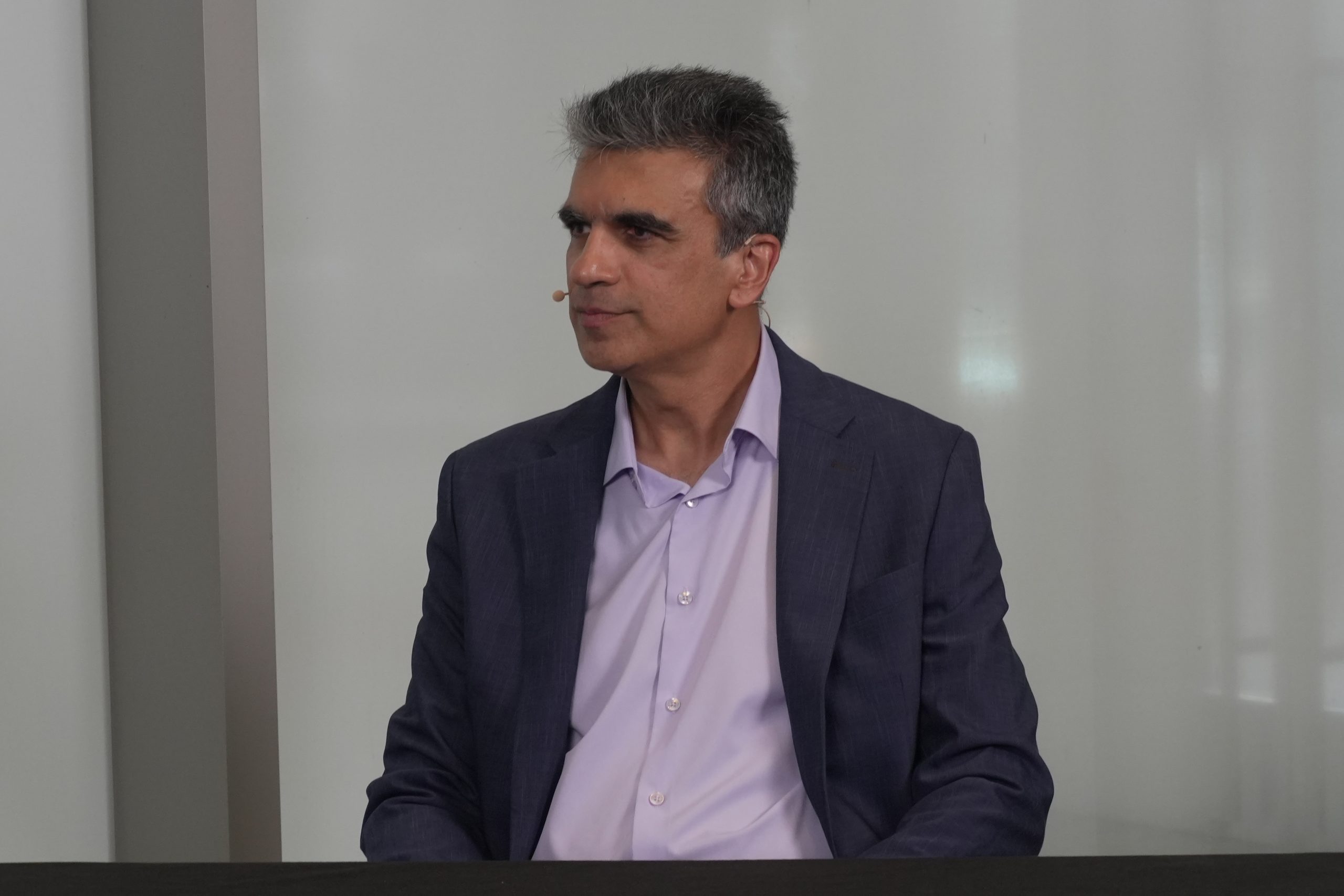
Neeraj Deshmukh, Blitzy Inc.'s Director of Engineering, highlighted at GraphSummit that autonomous coding hinges on understanding the system, not merely generating code. He emphasized that a knowledge graph is essential for autonomous software development, enabling coding agents to know the full context of an enterprise codebase.
Deshmukh explained that a codebase is inherently a graph, with modules, files, functions, objects, classes, and variables all interconnected. Without this structure, agents rely on inefficient search methods, limiting their context to around 20,000 to 30,000 lines of code. In contrast, a graph database like Neo4j's allows agents to maintain effective context across massive codebases, even those with 100 million lines.
This capability enables Blitzy to perform whole-project changes instead of the fragmented approach of traditional sprints. Quality control is integrated with human oversight, with human approval of Agent Action Plans and immediate testing of generated code. Neo4j's Cypher query language ensures agents operate within the bounds of the knowledge graph, preventing hallucinations and ensuring results are grounded in accurate data.
Written by urgent.news from SiliconANGLE's reporting — not their text. Machine-written — may contain errors; check the original before relying on it.
This story
This is one outlet's version. Read the fullest account.
- Blitzy’s autonomous coding bet: Every codebase is already a graph siliconangle.com