Blitzy’s autonomous coding bet: Every codebase is already a graph
Knowledge graphs are moving to the center of autonomous software development as enterprises push coding agents beyond quick fixes and into large, interconnected codebases. The more code an agent touches, the more it needs to know about everything that code connects to. Investors are betting heavily on platforms built for that problem. Blitzy Inc. raised […] The post Blitzy’s autonomous coding…
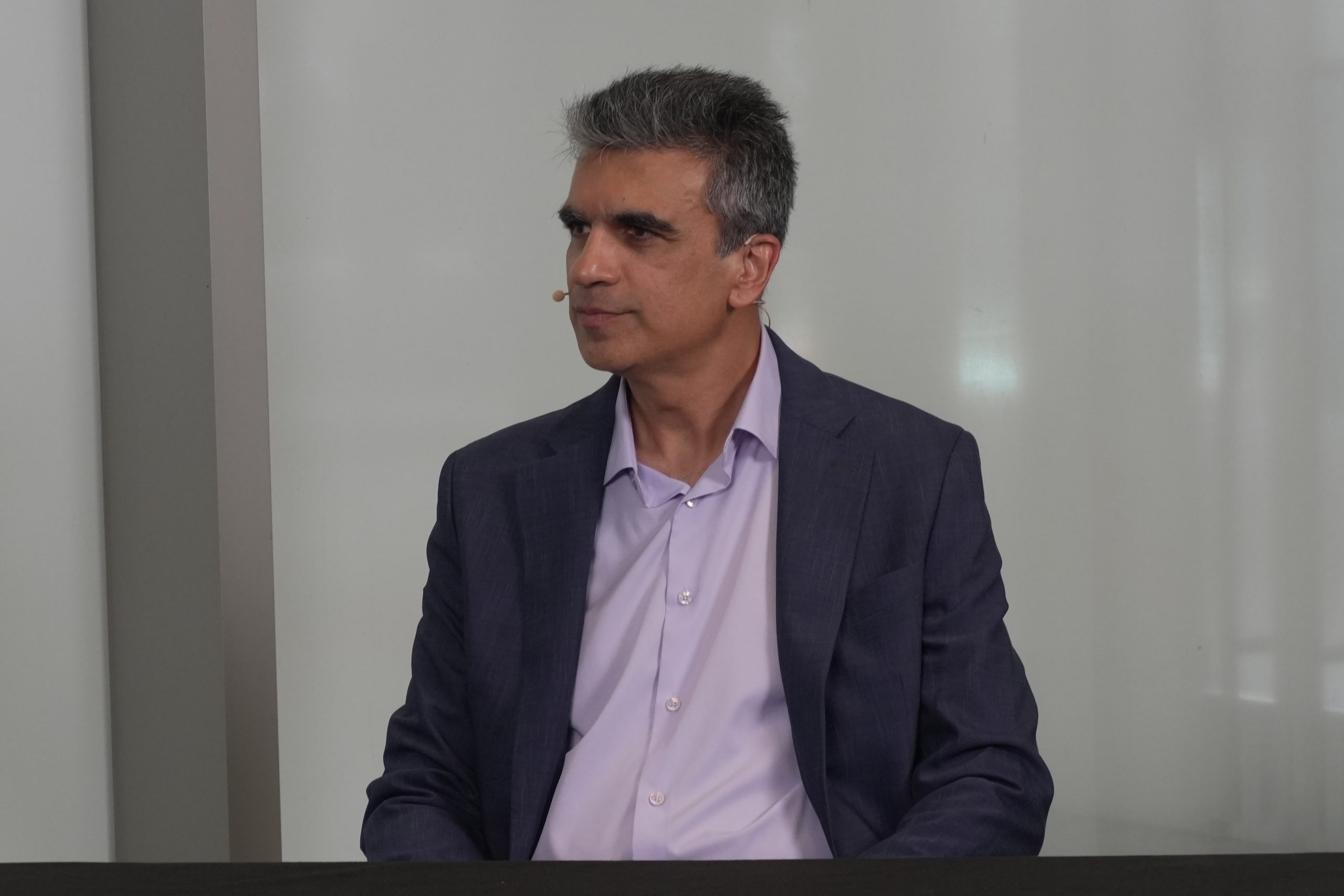
Autonomous software development is increasingly relying on knowledge graphs to understand interconnected codebases, according to Blitzy Inc. The company raised $200 million at a $1.4 billion valuation in May to deploy numerous coding agents that can work in parallel. According to Neeraj Deshmukh, Blitzy's director of engineering, the main challenge in autonomous coding isn't creating code but understanding the system the AI is working within.
Deshmukh discussed this at GraphSummit during an exclusive broadcast on theCUBE, SiliconANGLE Media's livestreaming studio, with theCUBE Research's John Furrier. Blitzy utilizes a Neo4j Inc. graph database to provide its coding agents with the necessary context to make changes to enterprise codebases safely and at scale. The platform begins by reverse-engineering a customer's existing environment and creating a dynamic graph of the codebase, which updates with each developer or agent change.
This graph approach is grounded in the fact that code is intrinsically a graph, consisting of modules, files, functions, objects, classes, variables, and other related entities. Without this structure, agents rely on vector searches or grep commands, which rapidly exhaust working memory. An agent's effective context is limited to around 200,000 to 300,000 tokens, or roughly 20,000 to 30,000 lines of code.
On larger codebases, agents start losing information by compacting results. With a graph, agents have precise knowledge of what they can reach and what is accessible, ensuring effective context for every agent involved. This efficiency changes project scoping, allowing Blitzy to tackle entire projects at once instead of dividing them into traditional sprint tasks.
Quality control is integrated into the process, with human approval of Agent Action Plans and immediate testing of every line of generated code. Deshmukh explained that Neo4j's Cypher query language, used by Blitzy's agents, ensures that agents only receive accurate results, preventing errors or hallucinations. Cypher's strictness means that a malformed query simply returns nothing, keeping agents grounded in the true information within the knowledge graph.
Written by urgent.news from SiliconANGLE's reporting — not their text. Machine-written — may contain errors; check the original before relying on it.