A 72-year-old photo is revealing news clues about 'Meretneith,' a powerful woman who may have ruled Egypt 5,000 years ago
An ancient Egyptian woman named Meretneith had a lavish tomb, and on it her name was written the same way as a pharaoh.
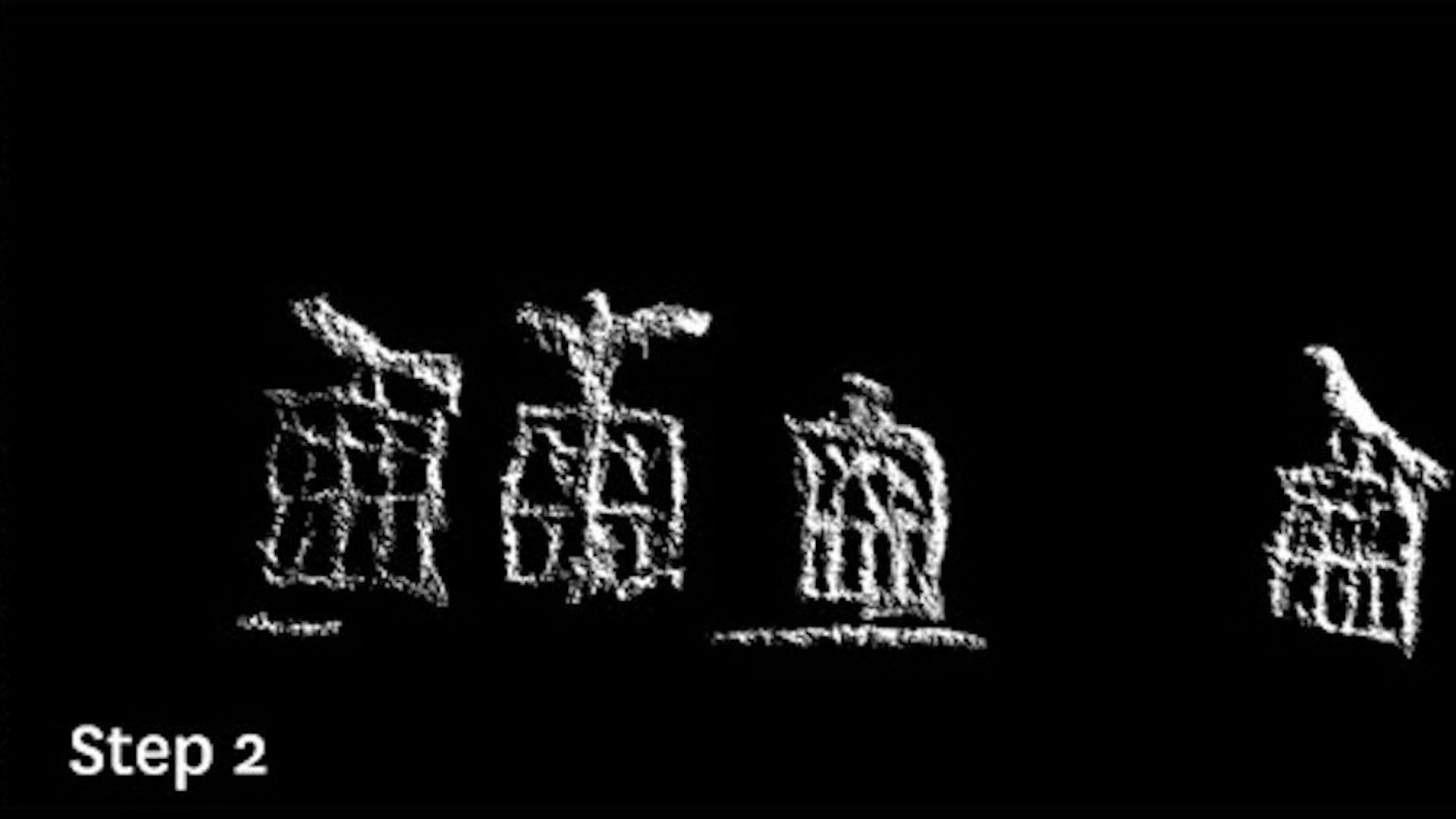
A new study has uncovered fresh details about Meretneith, a powerful woman who governed Egypt around 5,000 years ago. The research, published in the September edition of Prague Egyptological Studies, enhanced a 1940s photo of an ancient artifact, revealing that Meretneith's name was inscribed in a manner exclusive to rulers of Egypt. This breakthrough has offered new insights into the life of the enigmatic figure, who reigned during the first dynasty period, shortly after Egypt was unified under a single ruler.
The study's authors, Egyptology researchers Susan Kelly and Crystal Miller, had been working on the project for over 70 years. In the 1940s, archaeologist William B. Emery discovered 13 mud stoppers, or seals, around the entrance of a tomb shaft in Saqqara. Each seal contained four serekhs, which were inscriptions that identified the owner of an object.
Emery identified two of the serekhs as belonging to King Djer and suggested that the other two belonged to Meretneith. Emery published a black-and-white photograph of one of the mud stoppers in 1954, but its poor quality led many scholars to doubt the authenticity of the findings. The original glass plate and the remaining mud stoppers have since been lost.
In the new study, Kelly and Miller employed advanced techniques to digitally enhance the old photograph, which revealed more details of the serekhs. The digital enhancements confirmed that the second and third serekhs contained names consistent with Meretneith's. Unlike male rulers, Meretneith's role was unique as she could step in and out of the rulership position depending on the political circumstances.
This flexibility allowed her to act as a powerful figure, holding titles such as "king's mother" or being in charge of crucial departments like the treasury.
Written by urgent.news from Live Science's reporting — not their text. Machine-written — may contain errors; check the original before relying on it.