Why your electricity bill is not as simple as what TNB pays for power
KUALA LUMPUR, Sept 27 — Tenaga Nasional Bhd’s (TNB) role at the centre of Peninsular Malaysia’s electr...
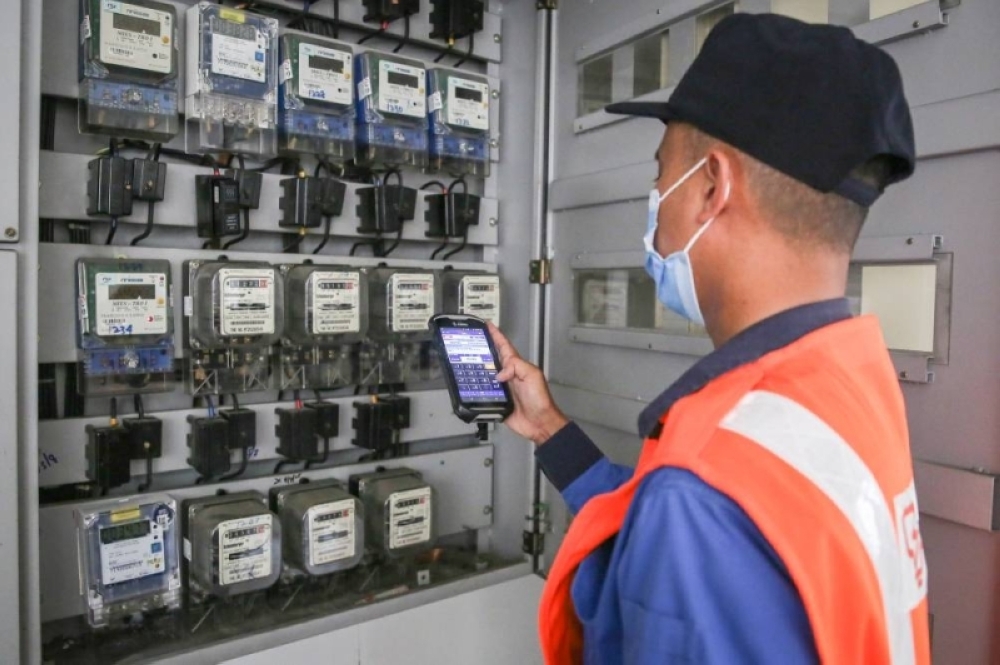
Electricity bills in Peninsular Malaysia are not solely determined by the cost of generating power, as many might assume. Tenaga Nasional Bhd (TNB), as a regulated electricity provider, operates within a framework overseen by the Energy Commission (EC). This framework governs tariffs, expenditure, and returns, ensuring a balance between generating power and recovering costs.
The EC sets the base tariff, which includes efficient capital and operating expenditure for transmission, distribution, grid operations, retail, and a regulated return on assets. This tariff also reflects the prudent and efficient costs recoverable by TNB, as determined by the IBR framework. The current Regulatory Period 4 (RP4) sets an average base tariff of 45.40 sen per kWh for 2025-2027, which is lower than the 45.62 sen per kWh approved in December 2024.
The tariff restructuring includes unbundling charges into energy, capacity, network, and retail components, giving consumers more visibility into their payments. Despite regulated tariffs, the cost of generating electricity still fluctuates with global fuel prices. Coal and natural gas account for 92% of Malaysia's electricity generation, with rising coal prices and LNG costs directly affecting generation expenses.
To address these fluctuations, the Automatic Fuel Adjustment (AFA) mechanism, introduced in July 2025, adjusts the regulated returns monthly based on actual generation costs, ensuring that increased fuel prices do not automatically translate into additional regulated profit for TNB.
Written by urgent.news from Malay Mail's reporting — not their text. Machine-written — may contain errors; check the original before relying on it.
This story
This is one outlet's version. Read the fullest account.