Why your electricity bill is not as simple as what TNB pays for power
KUALA LUMPUR, Sept 27 — Tenaga Nasional Bhd’s (TNB) role at the centre of Peninsular Malaysia’s electr...
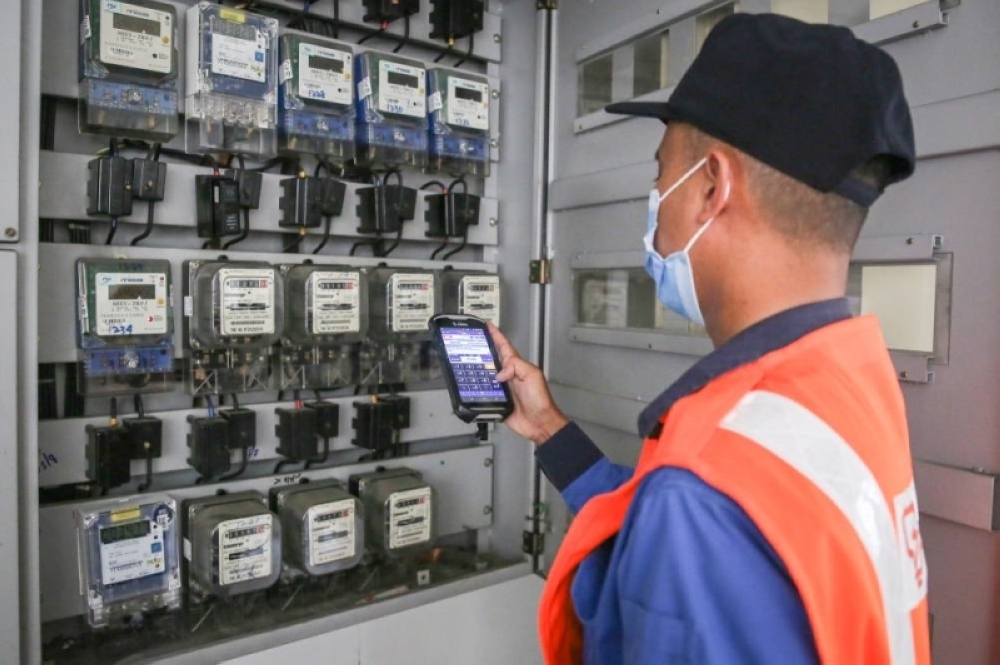
Tenaga Nasional Bhd (TNB) operates within a regulated framework in Peninsular Malaysia's electricity system, rather than as a typical profit-driven business. This framework, overseen by the Energy Commission (EC), determines tariffs, expenditure, and returns while safeguarding critical power infrastructure. Electricity tariffs in Malaysia are not set freely by companies but are regulated by the EC under Section 26 of the Electricity Supply Act 1990, subject to approval by the Minister of Energy Transition and Water Transformation.
The Incentive-Based Regulation (IBR) framework establishes prudent and efficient cost recovery, performance targets, and a fair return on regulated assets. Consequently, electricity bills encompass not only the cost of power generation but also regulated system components.
The current Regulatory Period 4 (RP4) runs from July 1, 2025, to December 31, 2027, and sets the framework for determining costs and revenues for regulated electricity businesses. On June 20, 2025, the EC announced an average base tariff of 45.40 sen per kilowatt-hour (kWh) for RP4, which is lower than the 45.62 sen per kWh approved in December 2024.
The revised tariff schedule went into effect on July 1, 2025. The IBR incorporates efficient capital and operating expenditures for transmission, distribution, grid operation, single buyer, and retail services, along with a regulated return on relevant asset bases. The EC monitors and reviews regulated entities' performance and expenditures against approved projections.
The RP4 tariff restructuring has separated electricity charges into energy, capacity, network, and retail components, providing consumers with clearer visibility into their costs.
Global fuel price fluctuations impact the cost of generating electricity, despite regulated tariffs and returns. In April 2026, the EC reported that coal accounted for 58.5% of electricity generated in 2025, while natural gas contributed 33.5%, totaling 92%. Coal prices rose from US$129.63 per tonne in July to US$148 per tonne by September 10, while LNG prices increased from US$19.32 per million British thermal units (MMBtu) in July to US$30 per MMBtu by mid-September.
The Automatic Fuel Adjustment (AFA), introduced in July 2025, reflects changes in generation costs, adjusting monthly for variations in fuel prices and power-purchase costs. TNB, however, balances rising generation and grid costs with regulated tariffs and measures to keep electricity bills affordable for households.
Written by urgent.news from Malay Mail's reporting — not their text. Machine-written — may contain errors; check the original before relying on it.