Tome And Plume: Superstitions Associated With Pitru Paksha Have No Place In Hindu Scriptures
Bhopal (Madhya Pradesh): Karmanugo gachhati jiva ekaha – Garuda Purana (Wealth remains buried, cattle stay in the pen, wife accompanies to the doorway, friends to the crematorium, the body to funeral pyre, but on the path to eternity only your Karmas stay with you). The 15-day Pitru Paksha before the Shardiya Navratri has remained dedicated to revering ancestors since time immemorial. Many…
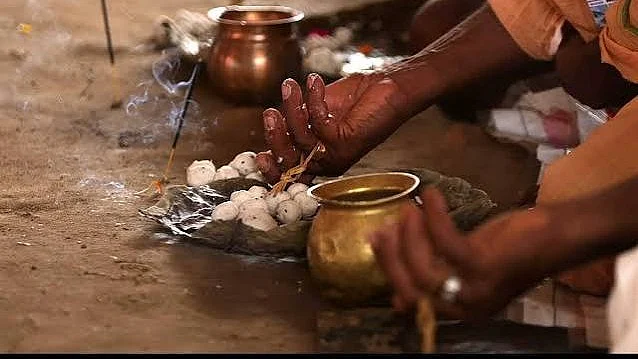
The 15-day period preceding Shardiya Navratri, known as Pitru Paksha, is traditionally dedicated to honoring ancestors across regions of India. However, many superstitions, myths, and taboos have attached themselves to this time, leading to a belief that it is an inauspicious period. Despite this, the core spiritual purpose of Pitru Paksha remains the remembrance and gratitude towards one's ancestors.
The Vedas and other Hindu scriptures do not consider this period as inauspicious, instead advising people to engage in virtuous activities and avoid liquor, deceit, and luxury. Scholars attribute the rise of superstitions to fear-based practices, astrological anxieties, commercial ritualism, and folklore. However, Vedic astrology suggests that Pitru Dosha is a reflection of karmic debts and family traits, rather than a curse from the dead.
Instead of superstitions, this period is observed as a time of simplicity and austerity, and is believed to help in free the souls of ancestors from the cycle of birth and death. The roots of these traditions are linked to the ancient city of Avantika (modern-day Ujjain) in central India, particularly the Siddhavat Banyan Tree near the Shipra River, where offering libations is believed to free the souls of ancestors.
Written by urgent.news from Free Press Journal's reporting — not their text. Machine-written — may contain errors; check the original before relying on it.