Rs 21,000 crore in minerals: Can Bihar turn geological discoveries into operating mines?
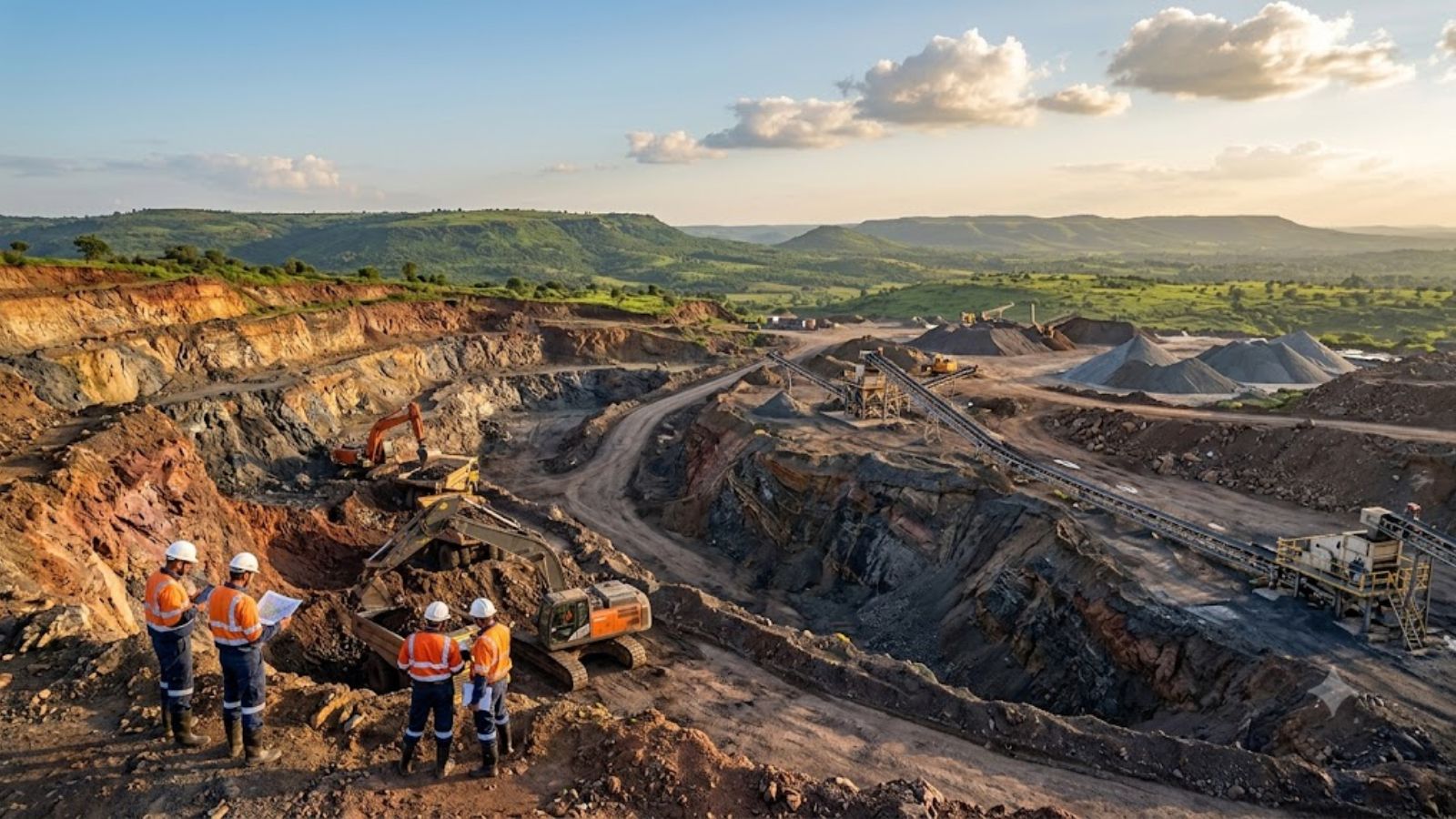
Bihar, once known for its mineral wealth, has struggled to turn its recent geological discoveries into operational mines. In the quarter-century following Jharkhand's statehood in 2000, Bihar's economy became primarily agrarian, leaving it to rely on minor mineral resources like sand and stone quarrying. Between 2021 and 2024, geological surveys identified reserves worth over Rs 21,000 crore in Rohtas, Jamui, and Gaya.
However, transforming these findings into profitable mines and generating substantial state income remains a formidable challenge. The reserve estimates came with differing values for various minerals, including glauconite, limestone, pyrites, magnetite, gold, vanadium, and more. Despite the potential to generate over Rs 5,000 crore annually, the state's current revenue from mining does not even approach this figure.
To address the challenges, Bihar has aligned its legal and administrative frameworks with those of more resource-rich states and introduced a series of reforms, including private agency models, faster environmental clearances, and lease execution, to lower investment risks. Additionally, a 1,000-strong Mines Police Force has been created to prevent illegal mining and protect valuable deposits.
Despite these efforts, the path to revenue generation still faces hurdles, such as structural delays, low bidder participation, and infrastructural limitations.
Written by urgent.news from The Indian Express's reporting — not their text. Machine-written — may contain errors; check the original before relying on it.
This story
This is one outlet's version. Read the fullest account.