Only diplomacy can solve conflict, says Iran after Trump rejects peace plan
Iran has insisted that only diplomacy can solve its conflict with the US and Israel after Donald Trump said he rejected an Iranian proposal to reopen the Strait of Hormuz and end the fighting.
Iran's Foreign Minister, Abbas Araqchi, reiterated on Saturday that diplomacy remains the sole path to resolving the ongoing conflict with the United States and Israel, following President Donald Trump's rejection of Tehran's proposal to reopen the Strait of Hormuz and cease regional hostilities, according to Reuters. The Iranian Foreign Minister clarified that reopening the strategic waterway would hinge on Tehran's demands being addressed, and that they are awaiting formal communication from mediators conveying Washington's stance.
Iran unveiled its proposal during the United Nations General Assembly, transmitting it to the U.S. via Qatari intermediaries. President Trump announced on Saturday that he had spurned the plan, asserting that Iran was seeking an accord only after incurring losses in the conflict. Araqchi stated that the intermediaries mediating the indirect U.S.-Iran discussions had not formally notified Tehran of Washington's rejection of the proposal.
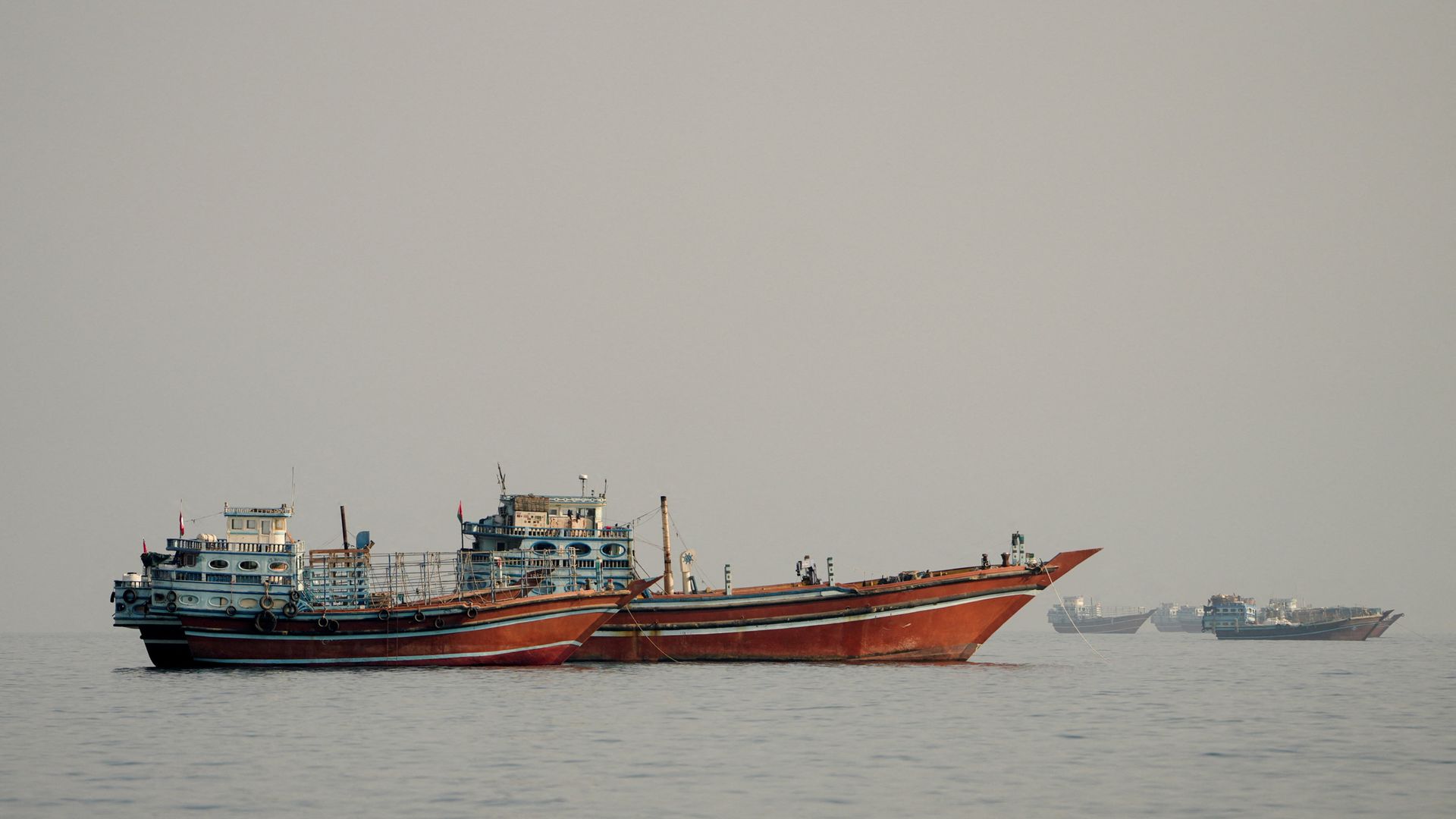
Iran's proposal outlined a seven-day countdown towards reopening the Strait of Hormuz and suspending regional fighting, which, if agreed upon, could pave the way for broader negotiations on mutually acceptable terms. The Strait of Hormuz has become a focal point of the seven-month conflict due to Iranian attacks on merchant vessels, which have severely curtailed maritime traffic through the waterway, disrupting oil supplies and impacting the global economy.
In response, the United States has imposed an economic embargo on Iran. Any future negotiations could encompass Iran's nuclear program, a matter on which President Trump has expressed his opposition, stating that Tehran must not develop nuclear weapons. Iranian President Masoud Pezeshkian indicated that Tehran is willing to discuss its nuclear program and other issues but would not acquiesce to coercion.
A senior Iranian official, speaking to Reuters separately, emphasized that Tehran would not compromise on uranium enrichment or agree to export its highly enriched uranium. The war, which commenced on February 28 with U.S. and Israeli assaults, has since alternated between lulls and renewed hostilities, resulting in numerous casualties.
Iran and its allies have escalated their retaliation across the region, including drone and missile strikes against U.S. allies in the Gulf and Houthi assaults on Saudi interests. The diplomatic impasse has placed the Strait of Hormuz at the heart of negotiations as mediators await the next formal reaction from Washington.
Written by urgent.news from Investing.com's reporting — not their text. Machine-written — may contain errors; check the original before relying on it.
This story
This is one outlet's version. Read the fullest account.
- Trump rejects Iran’s Hormuz offer backed by Khamenei. What happens now? gulfnews.com
- Iran insists on diplomacy after Trump rejects Hormuz peace plan investing.com
- Iran insists on diplomacy after Trump rejects peace plan english.ajel.sa
- Iran awaits formal US response despite Trump rejection of Hormuz proposal thevibes.com
- Iran still waiting for official US response to proposal after initial Trump reaction, Araghchi says jpost.com