Nepal’s hydropower ambitions face climate reality check
More than 90% of Nepal's electricity comes from hydropower, leaving its energy security vulnerable to climate and geological risks.
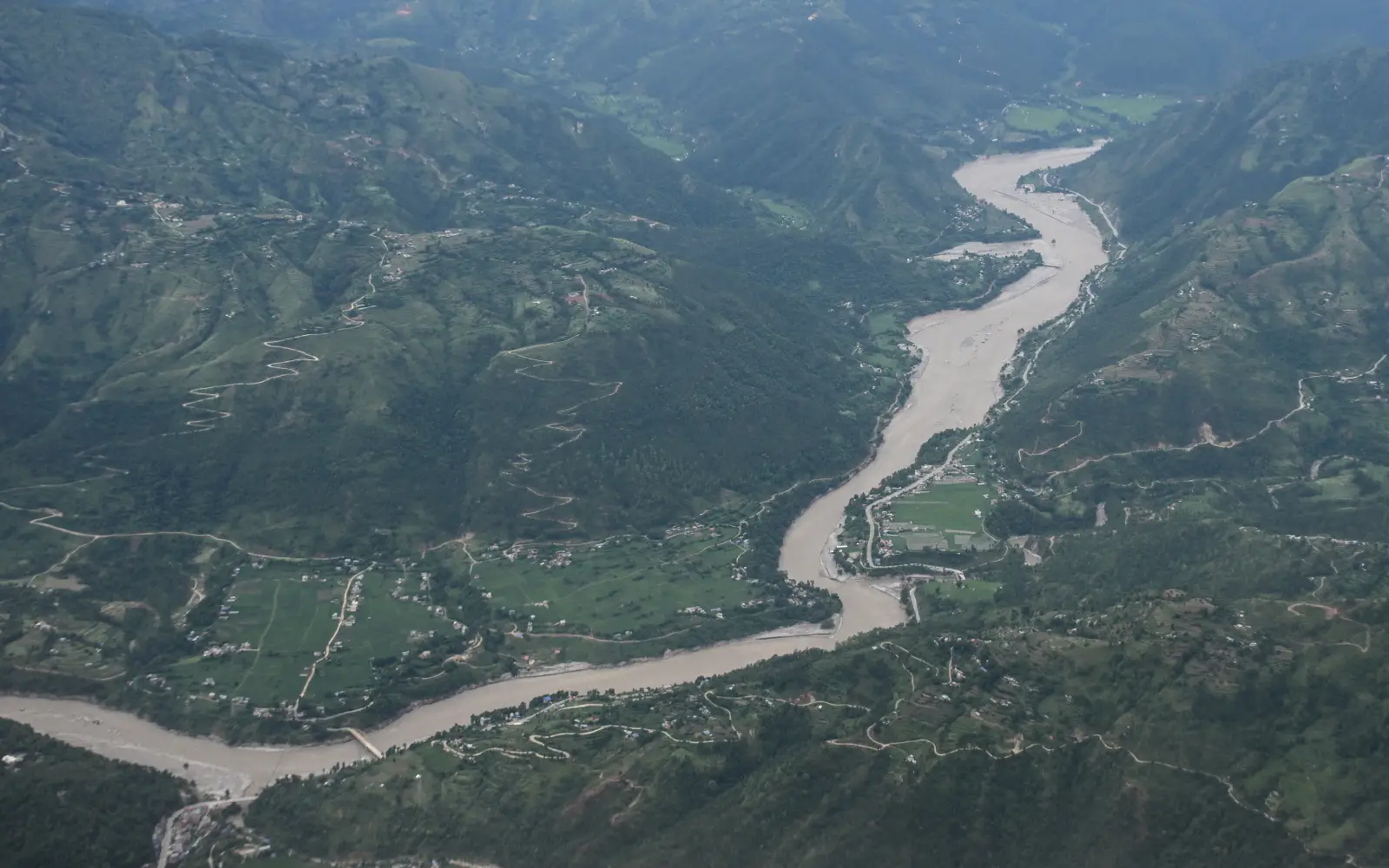
Nepal's hydropower expansion, hailed as a pillar of economic progress and green energy, has been dealt a significant setback by a devastating flood in August. Triggered by a glacial mountain collapse on the China-Nepal border, the disaster claimed over 1,400 lives, left thousands missing, and knocked 410 megawatts (MW) of generation capacity offline, representing around 10 percent of Nepal's power system.
Hydropower accounts for more than 90 percent of the country's electricity, providing jobs and income to the 30 million inhabitants. However, the extensive damage to its river projects has raised concerns about energy security amid intensifying climate and geological risks.
Since the 2010s, Nepal's hydropower output has quadrupled to approximately 4,120 MW, enabling near universal grid connectivity. Yet, the country has had to suspend electricity exports to India and Bangladesh following the disaster. The collapse of hydropower infrastructure highlights the vulnerabilities of this strategy in a region where glaciers are retreating, permafrost is thawing, and extreme hazards are becoming increasingly unpredictable.
The disaster has underscored the need for a reevaluation of project design and construction, emphasizing the importance of developing systems to mitigate future risks.
Written by urgent.news from Free Malaysia Today's reporting — not their text. Machine-written — may contain errors; check the original before relying on it.
This story
This is one outlet's version. Read the fullest account.
- Nepal’s hydropower ambitions face climate reality check freemalaysiatoday.com