Nepal’s hydropower ambitions face climate reality check
More than 90% of Nepal's electricity comes from hydropower, leaving its energy security vulnerable to climate and geological risks.
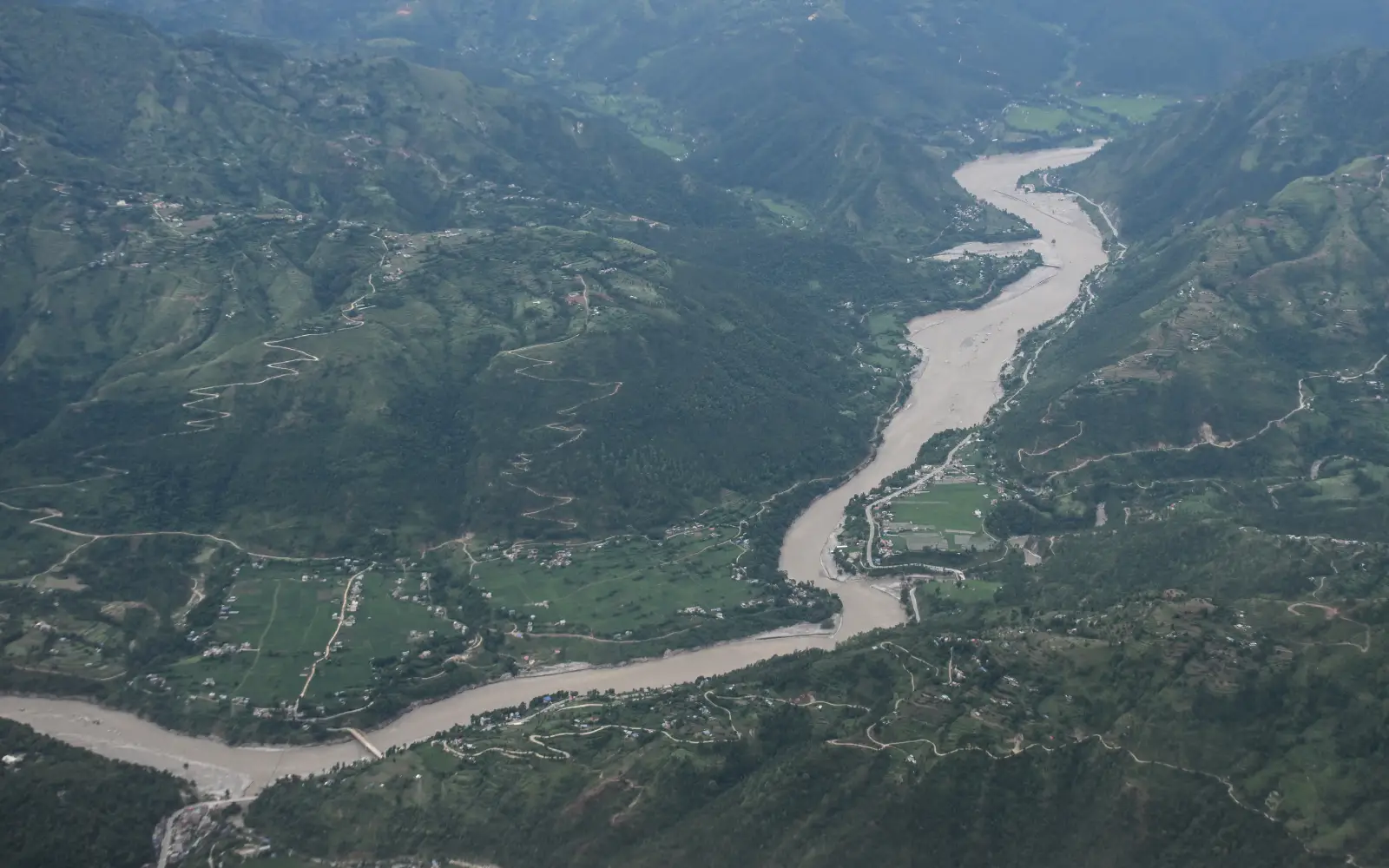
Nepal's hydropower expansion, once hailed as a key to economic growth and renewable energy, now faces a sobering reality check after a devastating August flood. Triggered by a glacial collapse along the China-Nepal border, the disaster claimed over 1,400 lives and left thousands missing. The flood damaged 410 megawatts (MW) of hydropower generation capacity, approximately 10% of Nepal's power system.
With over 90% of the nation's electricity generated by hydropower, the damage has raised questions about the country's energy security amidst intensifying climate and geological risks.
Nepal's hydropower sector has grown tenfold over the past decade, with output now exceeding 4,120 MW, providing electricity to nearly all 30 million citizens. However, the country has suspended electricity exports to India and Bangladesh following the disaster. The extensive damage to hydropower infrastructure underscores the vulnerability of this strategy in a region where glaciers are retreating and hazards are becoming harder to predict.
Energy, water resources, and irrigation minister Biraj Bhakta Shrestha acknowledged the need to learn from the disaster and develop systems to mitigate future risks. The World Bank emphasized the importance of constructing a hydropower system capable of anticipating, absorbing, and recovering from increasingly complex Himalayan hazards. Scientists attribute the August disaster to a combination of long-term warming, glacier retreat, and geological instability, rather than a single extreme weather event.
Nepal's hydropower infrastructure, primarily located along steep river valleys fed by glaciers, faces significant risks from floods, landslides, and cascading geological hazards. Experts recommend moving powerhouses higher up from riverbeds, improving evacuation plans, and utilizing remotely operated systems to ensure safety. Additionally, diversifying the power mix, including well-planned additions of solar electricity, could enhance the resilience of Nepal's electricity system.
Monitoring the Himalayas regionally for early warning of potential hazards is also crucial to protect the millions who depend on the region's water supply.
Written by urgent.news from Free Malaysia Today's reporting — not their text. Machine-written — may contain errors; check the original before relying on it.
Also reported by 1 other outlet
- Nepal’s hydropower ambitions face climate reality check freemalaysiatoday.com