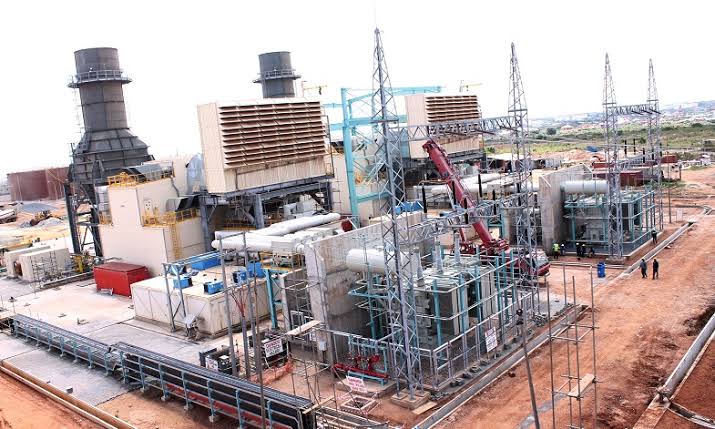
Nepal's hydropower ambitions face climate reality check
Nepal’s hydropower boom has long been touted as a cornerstone of economic growth and renewable energy, but the devastating flood in August exposed its vulnerability. The disaster triggered by a glacial mountain collapse on the China-Nepal border killed more than 1,400 people and left thousands missing — while knocking 410 megawatts (MW), or about 10 per cent of the generation capacity, out of…
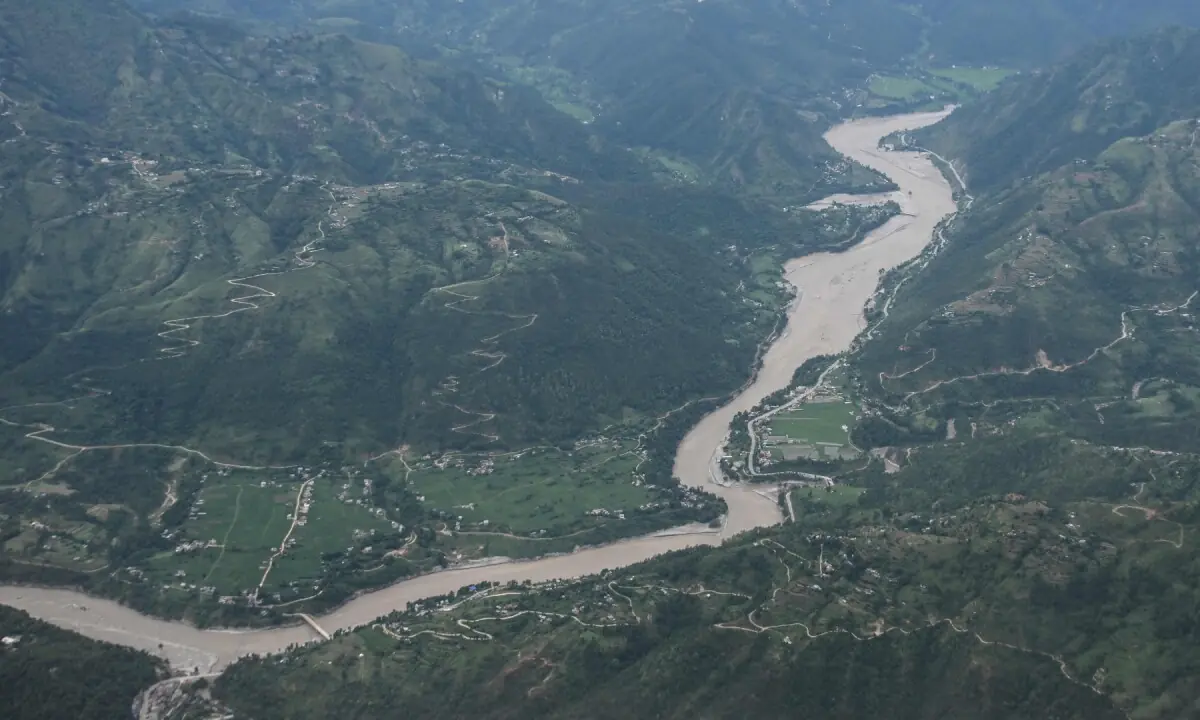
Nepal's hydropower sector, once hailed as a cornerstone of the nation's economic growth and renewable energy ambitions, now faces a sobering reality check following a devastating flood in August. The disaster, triggered by a glacial collapse on the China-Nepal border, claimed over 1,400 lives and left thousands missing, while causing extensive damage to the country's power infrastructure.
Hydropower accounts for more than 90% of Nepal's electricity generation, but the recent catastrophe has raised serious concerns about the sector's resilience in the face of intensifying climate and geological risks. Uttam Bhlon Lama, senior vice president of the Independent Power Producers' Association (IPPAN), lamented that the incident has "taught us serious lessons for the future" and urged the country to reassess its approach to dam-building.
The disaster has prompted authorities to suspend electricity exports to neighboring India and Bangladesh, highlighting the vulnerability of Nepal's energy system. Seven hydropower projects were directly damaged, while six under-construction projects also suffered losses, totaling 410 megawatts (MW) of generation capacity knocked out of the national grid.
Energy, Water Resources and Irrigation Minister Biraj Bhakta Shrestha emphasized the importance of learning from the disaster and developing strategies to mitigate future risks. The World Bank has warned that Nepal needs to build a more resilient hydropower system capable of anticipating and recovering from complex Himalayan hazards.
Scientists attribute the August disaster to a combination of long-term climate change, glacier retreat, and geological instability, rather than a single extreme weather event. The destruction of hydropower infrastructure has underscored the risks associated with exporting electricity from glacier-fed rivers in a region where glaciers are retreating and extreme hazards are becoming more difficult to predict.
As Nepal grapples with the aftermath of this disaster, experts are calling for a reevaluation of hydropower infrastructure design and the diversification of the power mix to enhance the country's energy security in the face of mounting climate and geological challenges.
Written by urgent.news from Dawn's reporting — not their text. Machine-written — may contain errors; check the original before relying on it.
Also reported by 3 other outlets
- Nepal’s hydropower ambitions face climate reality check japantimes.co.jp
- Nepal’s hydropower ambitions face climate reality check freemalaysiatoday.com
- Nepal's hydropower ambitions face climate reality check channelnewsasia.com