El BCE descarta alzas de tipos de 50 puntos básicos pese a la inflación
El debate en el Consejo de Gobierno del BCE se centra en pasar a la restricción monetaria tras dejar los tipos en el 2,5% en la última cumbre monetaria. Leer
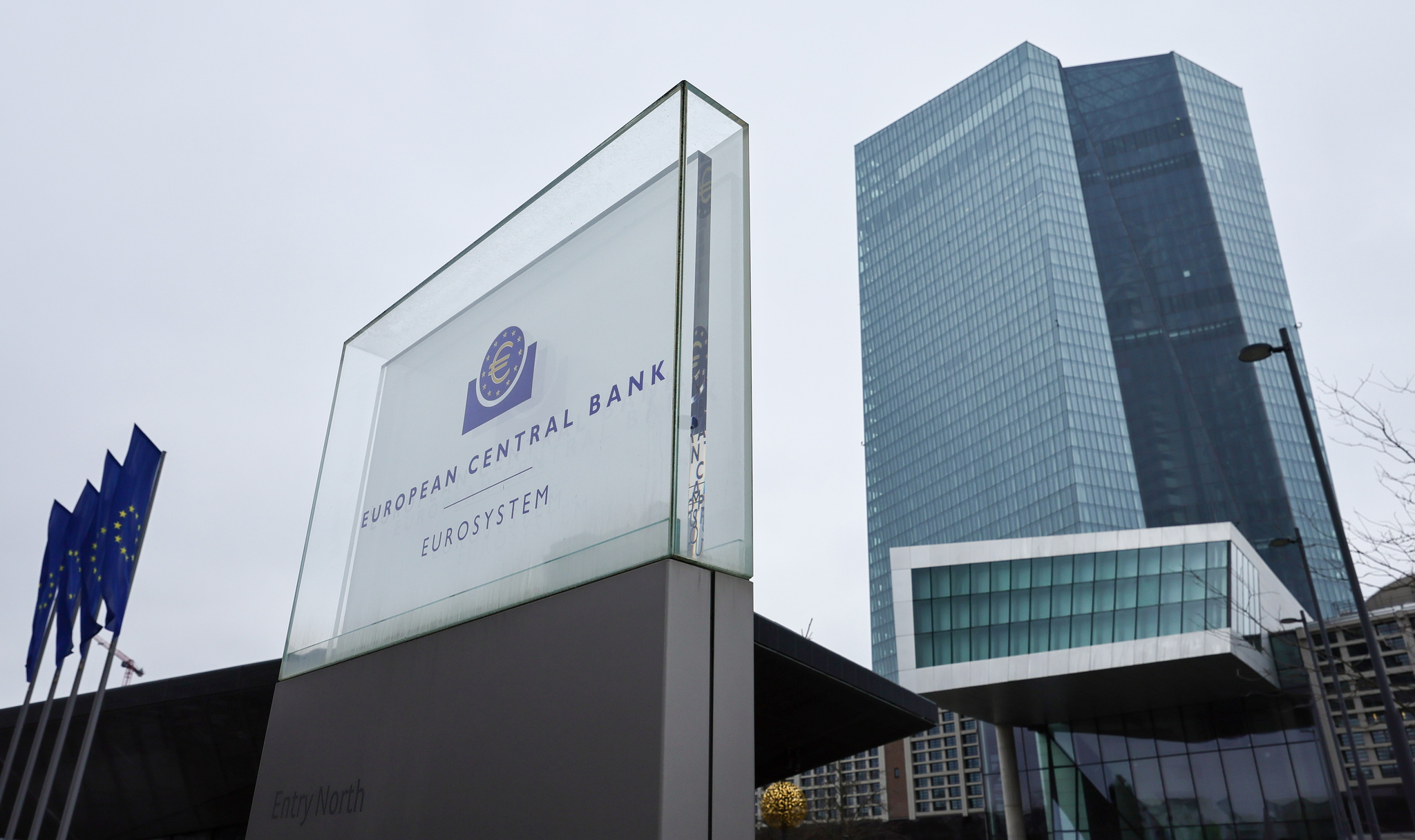
The European Central Bank (BCE) has ruled out raising interest rates by 50 basis points despite inflation persisting, according to sources close to the institution's decision-making body in Frankfurt. The bank's monetary policy normalization cycle is already underway, and there are no plans to take more drastic steps, such as a 50 basis points increase in interest rates, in the near future.
While inflation has intensified due to the closure of the Strait of Hormuz caused by the Iran conflict, different members of the ECB believe they can gradually tighten monetary policy without resorting to more severe and persistent measures. They argue that the upward revision of inflation projections does not change the fact that business and household expectations remain anchored.
Moreover, even though inflation may not return to the 2% target until the end of next year, the shock is proving to be less severe than anticipated, except for the energy sector. ECB President Christine Lagarde acknowledged being surprised by the limited impact on food prices and wages, which have so far contained any secondary effects.
The situation is not comparable to 2022 as monetary policy conditions are markedly different, and long-term expectations remain anchored due to the ECB's demonstrated commitment to restoring price stability. The bank set the money price at 2.5% almost three weeks ago, which is the highest since March 2025, but still 150 basis points below the record highs reached in 2023.
No discussion has been held about shifting to more decisive decisions regarding interest rates. The debate remains focused on whether to continue adjusting the monetary policy, but there is no consensus on raising rates by 50 basis points at a time when inflation has not yet entered a more dangerous spiral, having risen above 10%.
There has been no discussion about moving to more decisive decisions on interest rates, and it is widely believed that the discussion is about whether to continue adjusting monetary policy or not, but no one considers that a 50 basis point increase is necessary. The debate in Frankfurt centers on the possibility of continuing to raise interest rates, which would lead to a new stage of monetary tightening as financial conditions become sufficiently hard to curb growth.
It is estimated that two more rate hikes would push the ECB into this new monetary policy phase, even in the calculations of the most conservative central bankers. Even the most cautious members of the Governing Council dare not say that interest rate hikes have reached their end. While decisions will continue to be made meeting to meeting, given the uncertainty derived from the geopolitical shock, some central bankers anticipate that December could be a good time to raise interest rates again, and the decision at the October meeting is more open than in previous ones.
When looking at inflation projection scenarios from March, the point where we find ourselves now is very close to the darkest expectations, according to sources close to the ECB. In summary, the monetary authority leans towards calibrated interest rate hikes, conducting a greater number of increases than previously contemplated, but without the urgency of accelerating the process.
The hikes are understood as a last resort, which the ECB could resort to, but it values that it will launch a message of tension that would be inconvenient and have more drawbacks than benefits. Additionally, Lagarde's institution has the advantage of the first move, having already conducted two rate hikes compared to the inactivity of other major central banks.
The Fed's rate hike announced last week has calmed growing concerns about Frankfurt's early entry into the hike cycle. According to monetary sources, the Fed's tightening, despite negatively affecting global growth due to the dollar's importance, must be considered when containing imported inflation.
Written by urgent.news from Expansion ES's reporting — not their text. Machine-written — may contain errors; check the original before relying on it.