Why does lithium work against bipolar disorder?
Lithium remains the gold standard for one of the most complex psychiatric conditions. Scientists are still getting to grips with why.
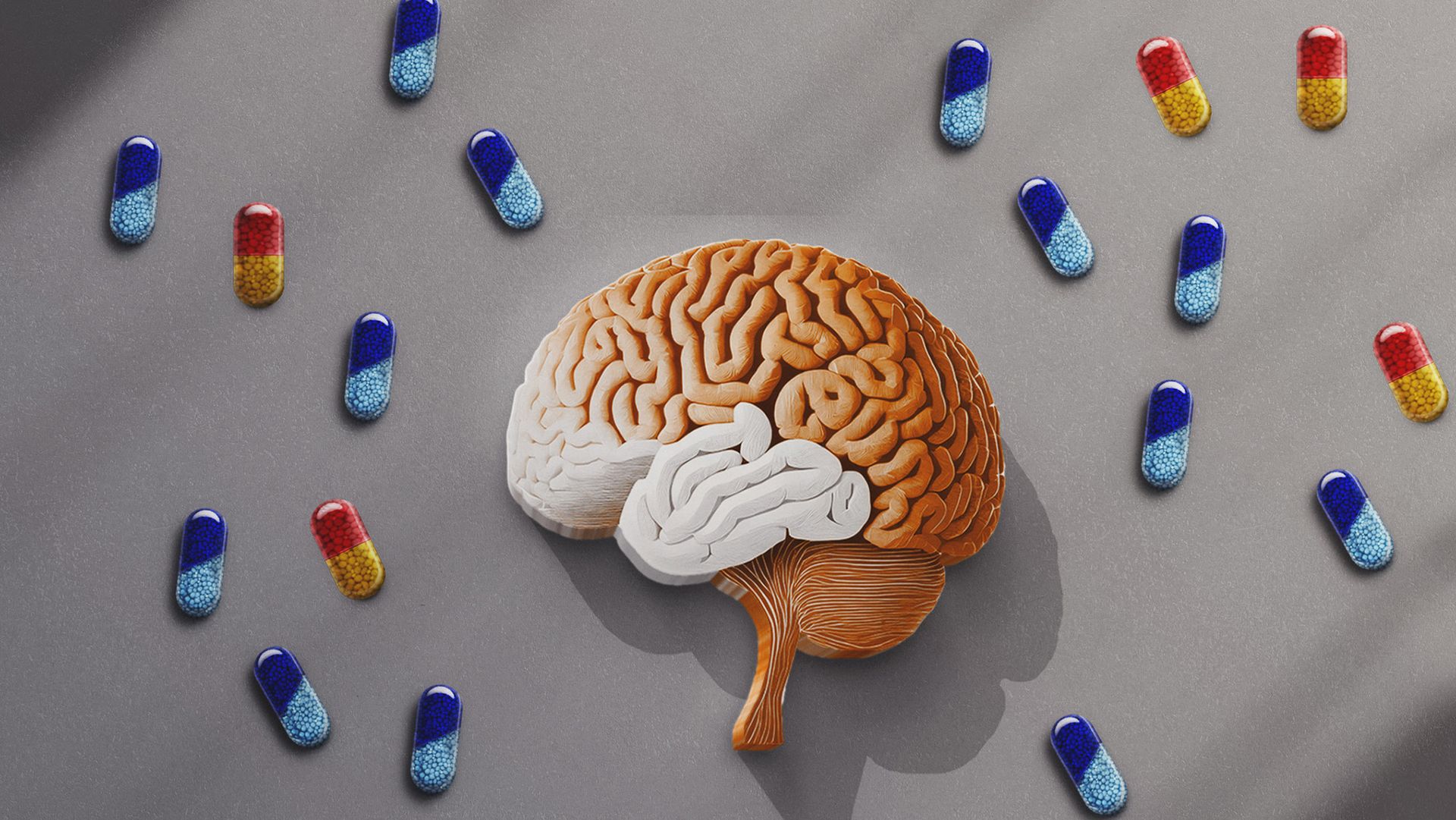
Lithium, a mood stabilizer first used in 1949 to treat bipolar disorder, remains the gold standard despite complex research. Lithium's simplicity may be key to its effectiveness in treating bipolar disorder, a lifelong condition impacting 36 million people globally. Clinically, bipolar disorder involves mood and energy level changes, with mania being sufficient for diagnosis.
Mania is characterized by elevated mood, intense energy, risk-taking behavior, and detrimental effects on daily life. Balancing treatment is challenging, as interventions for one mood state can impact the other. Lithium, unlike other medications, addresses both poles of bipolar disorder, preventing relapse. Its mood-stabilizing effect stems from its ability to dissociate into lithium ions, which can enter brain cells and influence various cellular processes.
While lithium's mechanism is not fully understood, it interacts with neurotransmitters like dopamine and serotonin, blocks the glycogen synthase kinase 3 enzyme, promotes autophagy, and enhances mitochondrial function. However, lithium's effectiveness varies among patients, with a narrow therapeutic window and potential side effects like increased urination and tremors. Despite these challenges, lithium can significantly improve patients' lives when managed correctly.
Written by urgent.news from Live Science's reporting — not their text. Machine-written — may contain errors; check the original before relying on it.