What Paris taught its former mayor Hidalgo about how cities should move
Few city leaders have attempted to change the way people move around their city as extensively as the former Mayor of Paris Anne Hidalgo. It is this relationship between mobility and the experience of a city that Hidalgo will bring to LIVEX in Abu Dhabi next week. During her 12 years as Mayor of Paris, streets were made more pedestrian-friendly, cycling infrastructure was expanded and cars were…
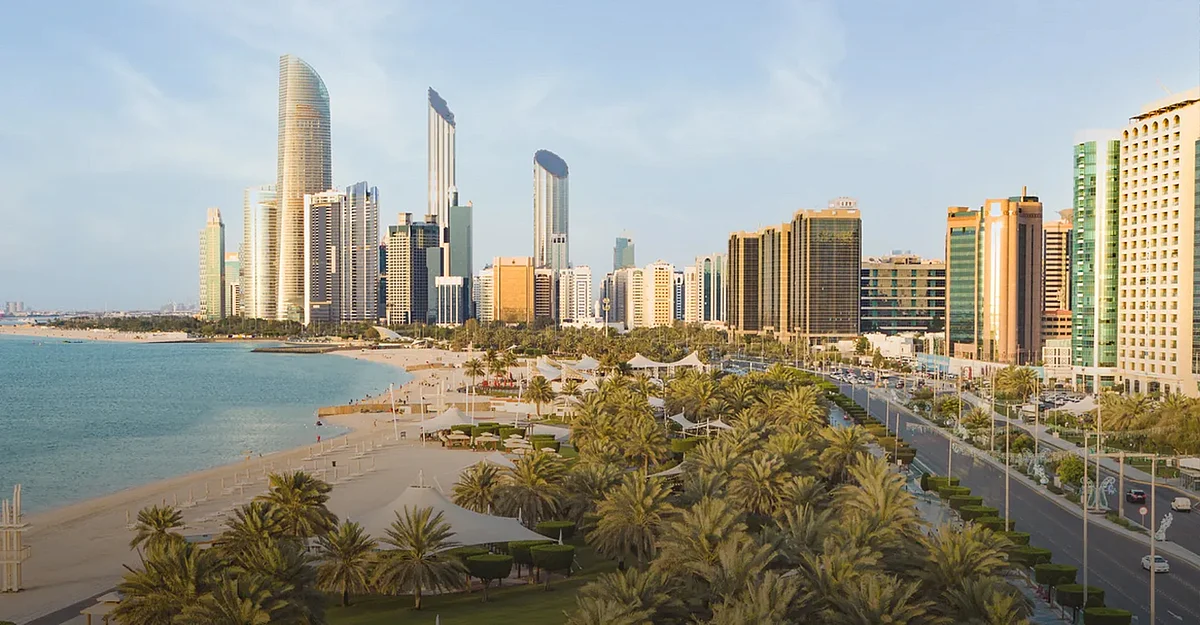
Former Mayor of Paris Anne Hidalgo will share her insights on how cities should evolve on mobility during her appearance at LIVEX in Abu Dhabi. Over her 12-year tenure, Hidalgo made significant changes to Paris’ streets, making them more pedestrian-friendly, expanding cycling infrastructure, and removing cars from areas where they had long dominated traffic.
The most visible change was along the banks of the Seine, where a road that once carried thousands of vehicles per hour now accommodates walkers, cyclists, exercisers, and people enjoying the river.
Hidalgo emphasizes that mobility profoundly impacts daily life, influencing air quality, noise, travel time, and public space availability. Changing the way spaces are used was a defining aspect of her administration, aiming to create healthier, safer, and more pleasant neighborhoods. Despite initial opposition and resistance from residents, Hidalgo believes that city leaders must listen, explain their objectives, and consider the long-term consequences of their decisions.
One of Hidalgo’s key ideas is the 15-minute city, where neighborhoods enable residents to access essential services like schools, shops, healthcare, and parks within a 15-minute walk or bike ride. While acknowledging the challenges of implementing such ideas in Abu Dhabi, Hidalgo stresses that every city is unique, influenced by factors such as climate, geography, density, and culture.
However, she believes that lessons from Paris can be particularly relevant to fast-growing cities, as early decisions regarding streets and neighborhoods can prevent future problems.
Hidalgo also advocates for considering sustainability when planning cities, rejecting the notion that making cities greener necessarily means reducing convenience. She believes that people need reliable public transport, safe walking routes, and suitable cycling infrastructure to change their travel habits. The positive consequences of reducing traffic, such as cleaner air, less noise, safer streets, and more public space, extend beyond transportation.
During LIVEX, Hidalgo will join other city leaders, policymakers, investors, and experts to discuss the future of liveability. For her, mobility cannot be separated from other urban issues, as decisions in one area can have consequences in others. Ultimately, Hidalgo believes that the questions residents ask about transportation—such as whether they can easily reach work, if their children can travel safely, and if essential services are accessible—remain relevant as cities look towards 2035 and beyond.
Written by urgent.news from Gulf News's reporting — not their text. Machine-written — may contain errors; check the original before relying on it.