Traditional Korean wrapping cloth 'bojagi' wins over younger generations
A noticeable change has emerged among the gift sets flooding the market around Chuseok holidays: a sharp increase in traditional "bojagi" wrapping. From trendy coffee brands and fruit-filled rice cakes popular among the MZ Generation — a term encompassing Millennials and Generation Z — to renowned dessert shops, a growing range of fashionable products is being wrapped in bojagi, a traditional…
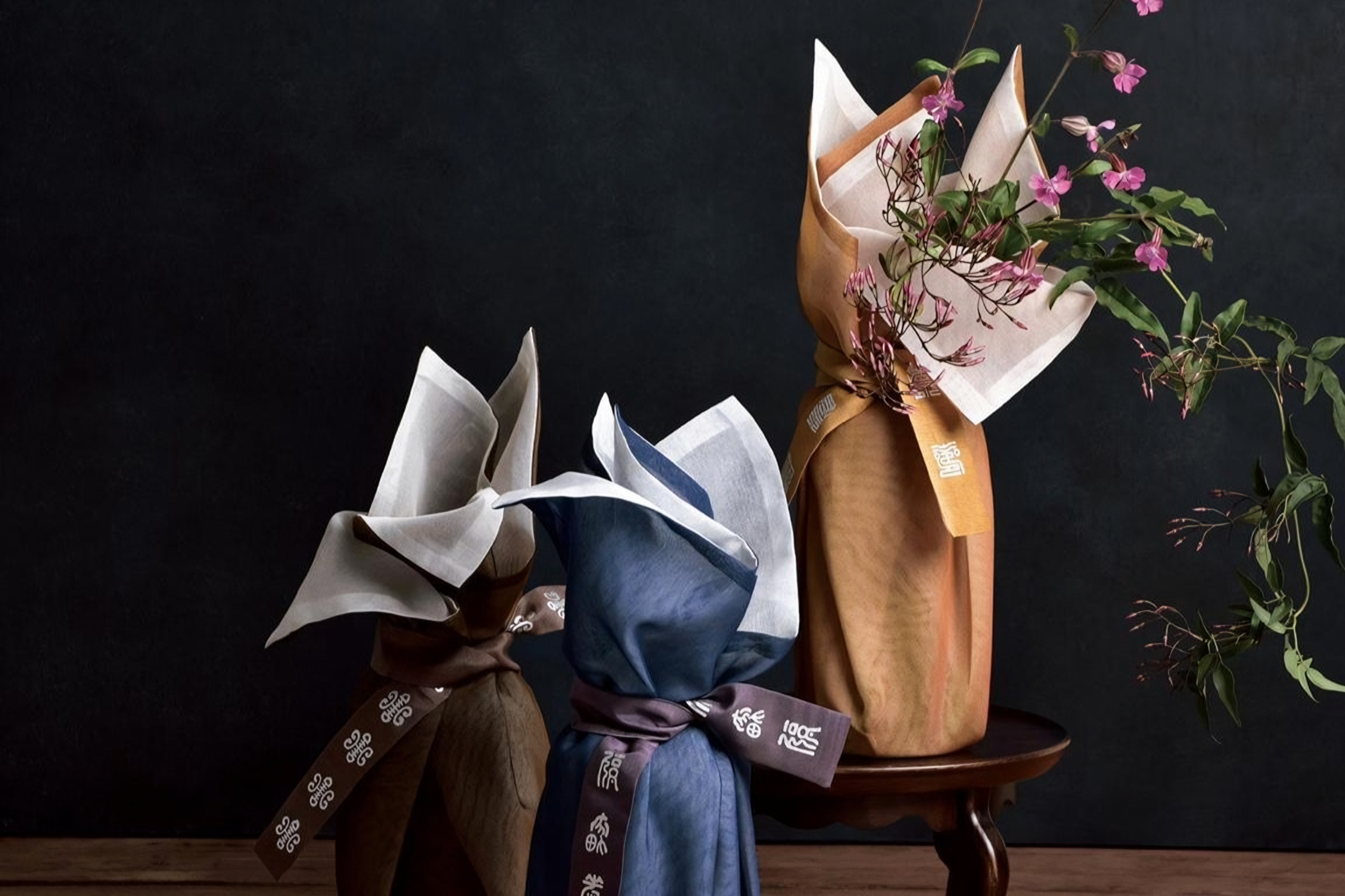
The traditional Korean wrapping cloth known as bojagi is experiencing a revival among younger generations, particularly during the Chuseok holidays. This innovative trend is being driven by a diverse array of contemporary and fashionable products, from trendy coffee brands and fruit-filled rice cakes to popular dessert shops. The once-dated appearance of bojagi, characterized by gold-colored satin cloth, has been replaced by a wide range of materials and modern color schemes, effectively erasing its outdated image.
Bojagi, a square piece of fabric traditionally used for wrapping, storing and transporting items, once served as a vital household necessity before the advent of bags, plastic packaging and cardboard boxes in Korea. However, as the nation advanced, it gradually transformed into a relic of the past, predominantly reserved for formal events like weddings and holiday gift-giving due to its symbolic representation of bestowing good fortune.
The renewed popularity of bojagi wrapping can be attributed to its incorporation in an increasingly diverse selection of trendy products, appealing to the MZ Generation – a collective term encompassing Millennials and Generation Z.
Written by urgent.news from The Korea Times's reporting — not their text. Machine-written — may contain errors; check the original before relying on it.
This story
This is one outlet's version. Read the fullest account.