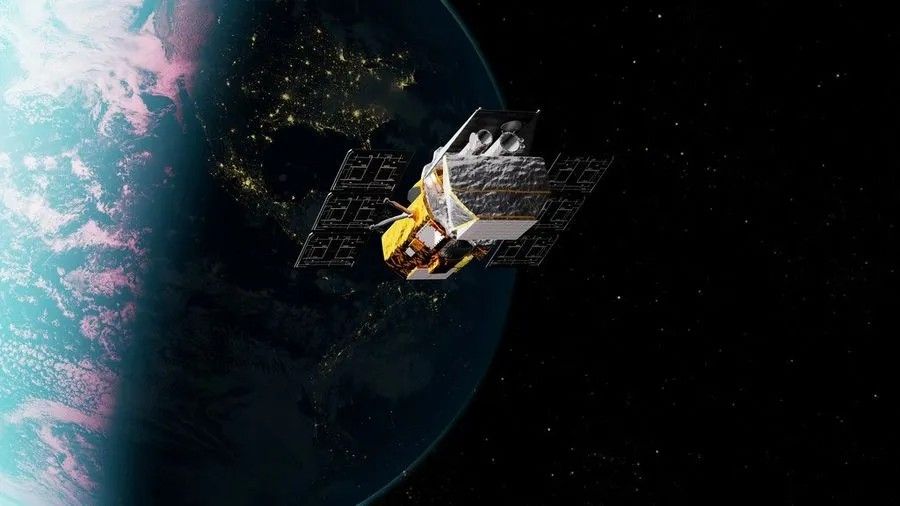
Private spacecraft falls back to Earth after failing to rescue aging NASA telescope
‘Link’ reentered the atmosphere, bringing the $30 million, NASA-sponsored salvage effort of the Swift Observatory to a close
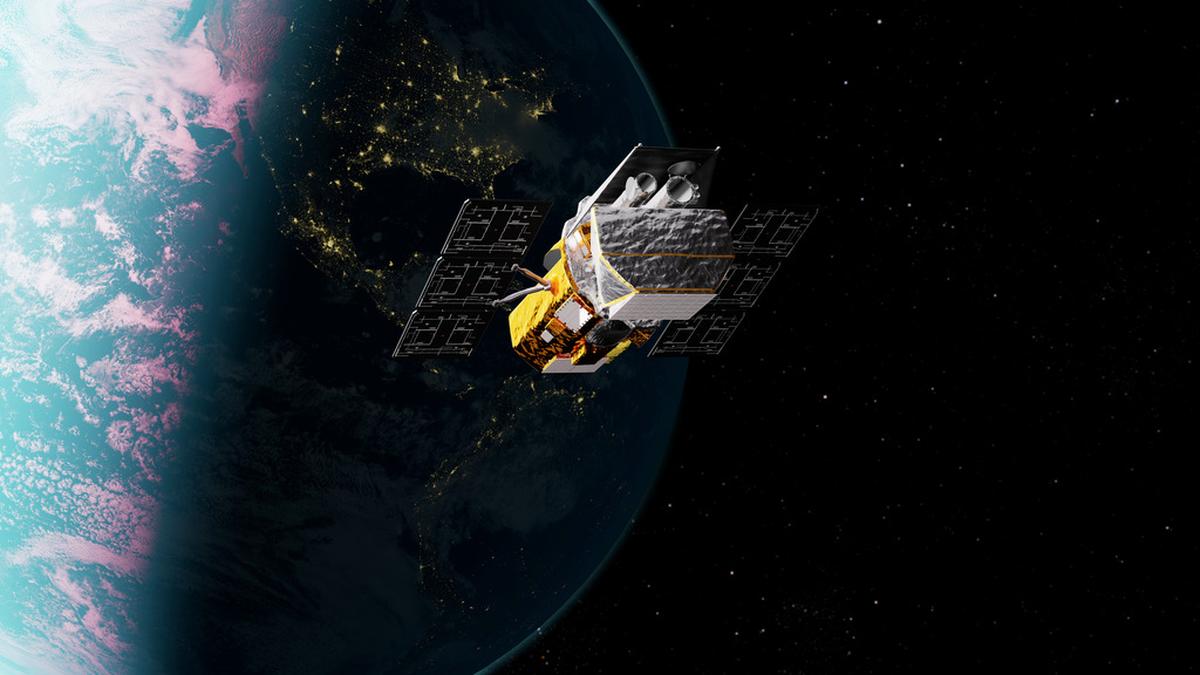
On September 25, 2026, the robotic spacecraft Link, a three-armed spacecraft developed by Katalyst Space Technologies, reentered Earth's atmosphere after failing to rescue the aging NASA Swift Observatory. The mission, which cost $30 million and was sponsored by NASA, was launched in July 2026 but ran into technical difficulties early on.
Two of Link's three reaction wheels, crucial for maneuvering the spacecraft, malfunctioned, and a faulty valve caused the satellite to spin uncontrollably, disrupting communication. Despite engineers regaining control of Link, it ran out of fuel before completing its rescue mission, which was called off in August.
NASA Swift, designed to observe gamma ray bursts, exploding stars, and other fast cosmic phenomena, is expected to fall from its orbit in early November as its orbit gradually decreases. NASA spokesperson Shawn Domagal-Goldman expressed mixed sentiments about the mission's outcome, stating that while they would be sad to see Swift's mission end, they recognized the mission's value in providing valuable practice for future satellite-rescue efforts and testing teams under pressure.
Link, built in under a year, was intended to capture Swift and boost it to a higher orbit, allowing it to continue its observations for an extended period. However, the intense solar flares had accelerated the telescope's descent, causing NASA to suspend observations and reposition Swift to minimize atmospheric drag. Otherwise, Swift would have disintegrated before any rescue attempt could occur.
Katalyst, despite the mission's failure, plans to incorporate the lessons learned into its future satellite-recovery endeavors. CEO Ghonhee Lee emphasized that this mission provided a foundation for future efforts. Swift, launched in 2004, is currently resuming its observations as it nears the end of its operational life, which began at a cost of $364 million.
Written by urgent.news from The Hindu - Sci-Tech's reporting — not their text. Machine-written — may contain errors; check the original before relying on it.