Mpox symptoms, spread and treatment: What you need to know
Mpox can affect anyone and is mainly spread through close contact. Here is what to know about its symptoms, transmission, treatment and prevention.
Mpox is a viral infection capable of affecting anyone, although recent increased awareness has left many uncertain about its transmission, symptoms, and necessary medical intervention. Primarily spread through close physical contact with an infected individual, mpox causes a rash, fever, swollen lymph nodes, headaches, muscle aches, and tiredness. Most individuals recover within a few weeks; however, in some cases, the illness can become more severe.
Mpox, formerly known as monkeypox, stems from the monkeypox virus, a member of the Orthopoxvirus family. The illness typically manifests as a rash or skin lesions along with symptoms such as fever, headache, muscle aches, back pain, fatigue, and swollen lymph nodes. Unlike some other viral diseases, mpox can impact individuals of any age or background.
The virus exists in different strains, categorized as Clade I and Clade II, both of which can lead to mpox in humans. Transmission of mpox is predominantly through direct contact with an infected person or infected animals in regions where such transmission occurs. It is less likely to spread as quickly as common respiratory infections like colds and flu, underscoring the importance of close contact in its spread.
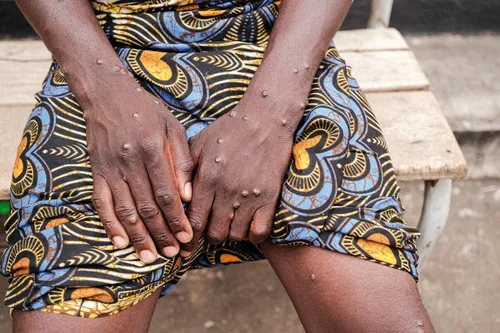
Symptoms typically appear one to 21 days after exposure. The rash is often the first noticeable symptom for some individuals, occurring on various body parts, including the face, hands, feet, mouth, groin, and genital area. The lesions evolve from flat spots to raised lesions, blisters, and pus-filled lesions before scabbing over and healing.
Their progression can be painful or itchy, with some developing only a few lesions while others suffer many. The rash may persist for two to four weeks and could potentially result in scarring.
Given its resemblance to other skin conditions, a rash alone is not sufficient for diagnosis. Healthcare professionals can assess symptoms and arrange testing if necessary. Confirming an mpox infection generally involves laboratory testing of material from a skin lesion, usually via a PCR test. While there's no cure for mild mpox, treatment focuses on managing symptoms, maintaining skin health, alleviating pain, and preventing complications or secondary infections. Most individuals recover without specific treatment within a few weeks.
Antiviral medications may be prescribed in certain scenarios, particularly for severe illness or those at higher risk of complications, depending on local health systems and clinical guidance. It's crucial to note that mpox can affect anyone who's had close contact with an infected individual, dispelling any notion of exclusivity to specific groups.
Hence, stigma should be avoided, as fear or embarrassment should not deter someone from seeking medical care. If you suspect exposure to mpox or experience symptoms consistent with the infection, consult a healthcare professional for advice and testing.
Written by urgent.news from IOL's reporting — not their text. Machine-written — may contain errors; check the original before relying on it.