He entered at eight; he is now 16: Ghana’s children growing up in prayer camps
At eight years old, Hafiz Abdallah was taken to Nyinbonya, a prayer camp in Paga, near Ghana’s border with Burkina Faso. He is now 16. For eight years, his mother says, her son has lived at the facility without a clinical diagnosis. When his behaviour becomes erratic, she says, he is chained. “He doesn’t even […]
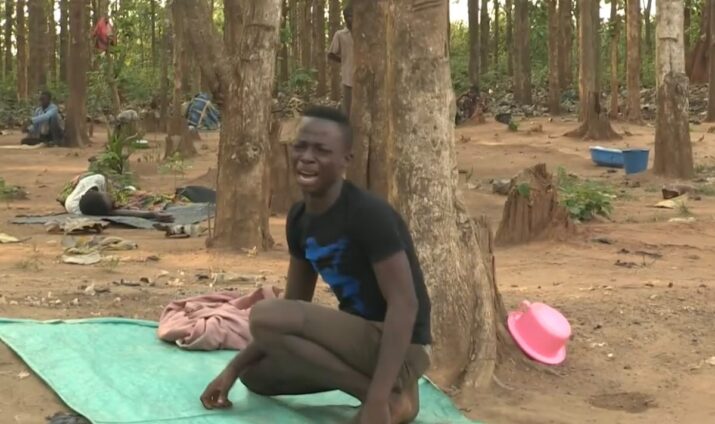
Hafiz Abdallah, a 16-year-old boy, entered a prayer camp in Ghana at the age of eight, where he has lived ever since. His mother, desperate to find help for her son, says he has been living there without a clinical diagnosis. When his behavior becomes erratic, he is restrained and at times, appears to be in his own world. Hafiz's mother believes that keeping him in the camp has kept him safe from harm. However, she admits the arrangement has allowed him to live half his life without a proper diagnosis.
The story of Hafiz is indicative of a larger issue in Ghana, where families first turn to prayer camps and spiritual healers rather than mental health clinics when confronted with unexplained or disturbing behavior in their children. Clinical psychologist Emmanuel Asampong attributes this to a lack of understanding of mental illness, often attributing unexplained conditions to spiritual dimensions. As a result, children with serious mental health needs may be treated elsewhere for years, without proper diagnosis or care.
Conditions at the Nyinbonya prayer camp are concerning, with children and adults seen walking barefoot, malnourished and disassociated. Staff members have been observed using physical punishment, such as pinching and slapping, to control the behavior of patients. The facility is tightly controlled, requiring visitors to pose as patients to gain entry. Hafiz's mother believes that keeping him in the camp has provided some reassurance, but she is uncertain about how to obtain a clinical diagnosis for her son.
Another case is that of Sarah Adjei, who was sexually assaulted at the age of seven and subsequently developed severe distress. Her parents took her to a church to pray, believing she had a spiritual issue. Over the years, Sarah was subjected to intense prayer, fasting and deliverance sessions. Now 21, Sarah is studying psychology at the University of Ghana and emphasizes the need for professional mental health support, rather than relying solely on prayer or spiritual healing.
Dr. Abigail Harding, a psychiatrist at Korle Bu Teaching Hospital, stresses that unusual behavior in Ghana is often attributed to witchcraft, curses or possession, rather than a medical condition. She argues that mental illness is a medical issue and must be treated with humane, evidence-based care, in alignment with Ghana's mental health acts.
However, Dr. Abigail Harding also acknowledges that cultural beliefs and access to mental health care pose significant barriers to treatment. To address these challenges, Dr. Josephine Stiles Darko, deputy head of communications at Ghana's Mental Health Authority, points out the need for closer access to mental health professionals.
She emphasizes the importance of training district health personnel to identify and treat mental health conditions at the primary level, with severe cases being referred to specialist facilities. The Mental Health Authority plans to conduct specialized outreach clinics to bring mental health care closer to communities, ultimately helping to bridge the gap between those in need of care and those who can provide it.
Written by urgent.news from Adom Online's reporting — not their text. Machine-written — may contain errors; check the original before relying on it.